Best Filter To Remove Chlorine From Tap Water

So, you’ve been drinking tap water, and it tastes like a swimming pool’s angry cousin. You’re not alone. That “fresh” flavor is actually chlorine, dumped into your glass by yo...
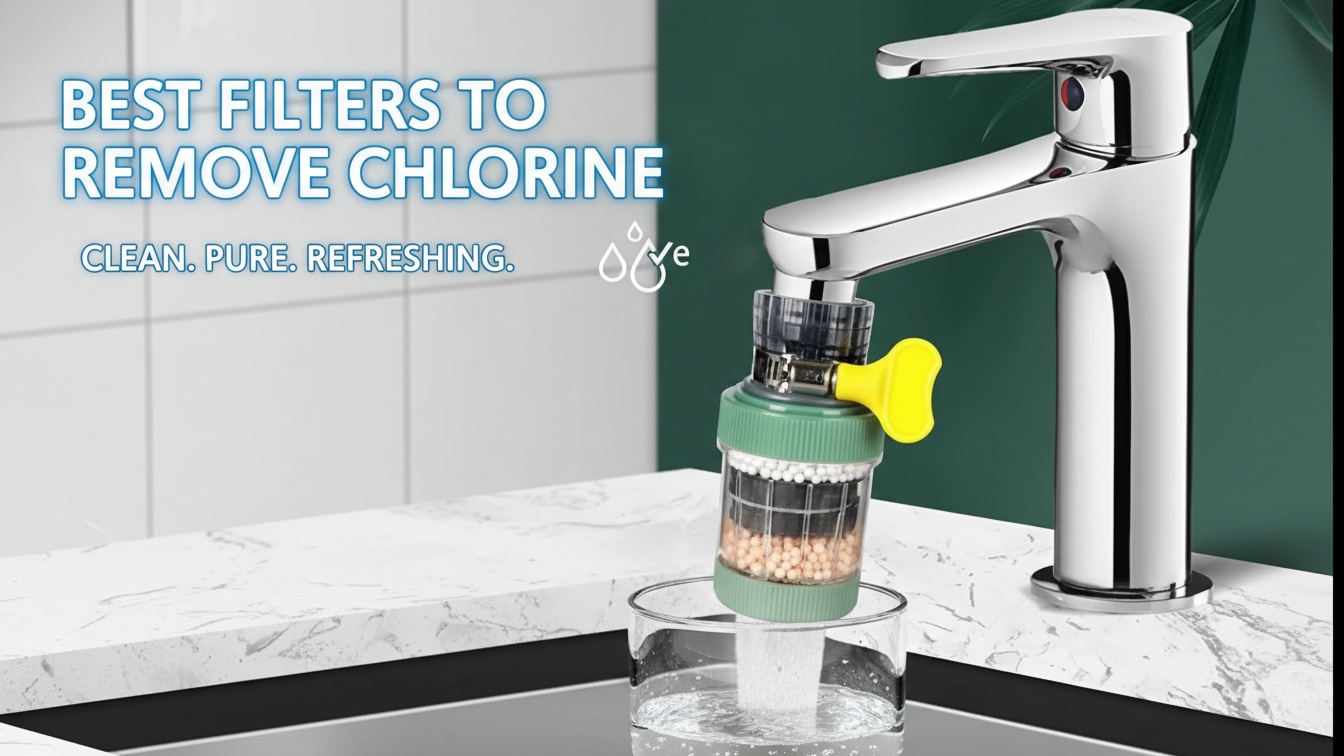
So, you’ve been drinking tap water, and it tastes like a swimming pool’s angry cousin. You’re not alone. That “fresh” flavor is actually chlorine, dumped into your glass by your local water utility like it’s hosting a frat party for bacteria. But don’t panic—we’re about to find the best filter to kick that chemical squatter out of your life.
The Villain in Your Glass
Chlorine is a necessary evil, sure. It kills deadly microbes like cholera and typhoid, which is great—nobody wants their water to double as a biological weapon. But here’s the kicker: chlorine also reacts with organic matter in water to form trihalomethanes (THMs), which are linked to cancer and, oddly enough, have been found in the urine of Olympic swimmers. Yes, you read that right—you’re basically drinking diluted pool sweat.
And the taste? It’s like licking a bleach bottle while someone yells “healthy” in your ear. Your tap water shouldn’t require a grimace and a chaser of lemon juice.
Must Read
First Contender: The Carbon Filter (The Old Reliable)
Activated carbon filters are the potato chips of water purification—everyone loves them, and they’re surprisingly effective. A granular activated carbon (GAC) filter traps chlorine molecules like a bouncer at a club for bad smells. They’re cheap, easy to install, and can remove up to 99% of chlorine.
But here’s the catch: they’re slow. If you’re the type who needs a gallon of water in two seconds flat, a carbon filter will test your patience like a sloth on a treadmill. Also, if you forget to change it every three months, it becomes a petri dish for bacteria—so, uh, set a reminder on your phone unless you enjoy reverse engineering water quality.
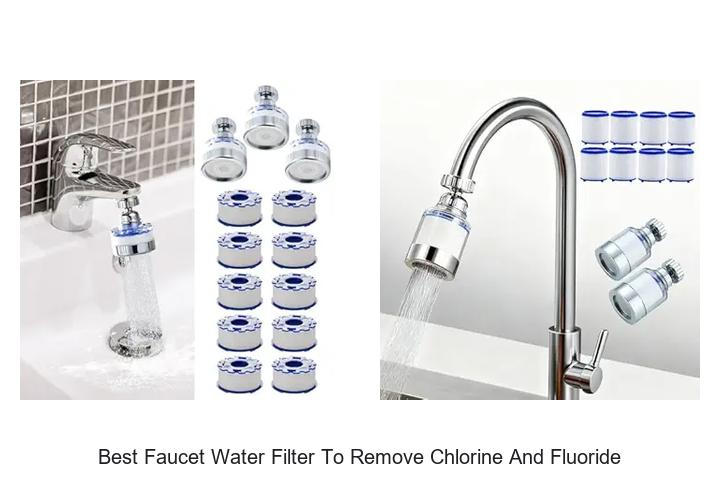 Top 12 Best Faucet Water Filter to Remove Chlorine and Fluoride
The Fourth Player: Reverse Osmosis (The Nuclear Option)
If you want to remove everything—chlorine, lead, arsenic, your hopes of ever owning a simple water pitcher—reverse osmosis (RO) is your weapon of choice. It uses a semi-permeable membrane so fine that only water molecules get through. Think of it as the velvet rope at a VIP club where nothing gets in except H2O and maybe a stray electron.
But here’s the hilarious downside: RO systems waste water. For every gallon of clean water, two to four gallons go down the drain. You’re basically paying to make your plumbing feel generous. And the system takes up half your kitchen counter, so say goodbye to your toaster’s real estate. Still, if you’re paranoid about industrial runoff and want water so pure it’s almost sad, RO is the way.
 Best Water Filter To Remove Chlorine at Michele Bodden blog
Surprising Fact: Your Kettle Can Save You
Did you know that boiling water for 15 minutes removes most of the chlorine? Yes, heat makes chlorine gas that literally flies away. But calm down—this also concentrates heavy metals and nitrates like a villain’s evil plan. So unless you enjoy lead-flavored tea, don’t rely on boiling alone. It’s the drinking equivalent of putting a Band-Aid on a hurricane.
The All-Star: The Dual-Stage Carbon Block Filter
Let’s be real: you want something that works, doesn’t cost your firstborn, and won’t make you cry during installation. The dual-stage carbon block filter is the Beyoncé of water filters—talented, reliable, and it knows it. It uses two stages: first a sediment filter to catch dirt, then a dense carbon block to grab chlorine, THMs, and funky tastes.
 7 Best Water Filters For Chlorine Removal
These filters remove over 99% of chlorine while leaving healthy minerals like calcium and magnesium in the water. They’re also fast, affordable, and sit under your sink like a ninja. One study found that using a carbon block filter reduces cancer risk from THMs by up to 60%. That’s not just good water; that’s a retirement plan for your kidneys.
The Exotic: UV Light (The Sci-Fi Movie Star)
UV filters are like using a lightsaber to kill a mosquito. They blast water with ultraviolet light, which destroys chlorine and bacteria alike. But here’s the joke: UV is great for microbes, but it does nothing for taste or chemicals. You could zap your water into clinical sterility, but it will still taste like a broken plastic pool toy. Combine it with a carbon filter, and you’ll have water so clean it’ll apologize for existing.
 5 Best Water Filters To Remove Chlorine: NSF Certified
The Verdict: What Should You Buy?
For 99% of us, the best filter is a simple countertop or under-sink carbon block filter. Brands like Aquasana or Brita’s Elite line will remove chlorine without bankrupting you or demanding a PhD in plumbing. Look for one that says “NSF/ANSI Standard 42” on the box—that’s the official stamp for chlorine removal. Bonus points if it’s certified for lead and PFAS, because 2024 water is basically a chemistry experiment we didn’t sign up for.
And if you’re really fancy, get a stainless steel water bottle and fill it from your new filter. You’ll taste the difference immediately—like drinking mountain spring water that’s never been near a motel pool. Your taste buds will throw a parade. Your plastic water bottle, now a relic, will weep in the recycling bin.
So go forth, filter your water, and stop gagging on your morning glass. Your tap doesn’t have to taste like a cleaning product. And remember: chlorine is for pools, not for drinking—unless you’re trying to swim from the inside out. Cheers!
