Best Uv Disinfection Systems Industrial Water

Let’s be honest—when you hear “industrial water treatment,” you probably picture a grey concrete room, not your weekend vibe. But the quiet revolution happening inside those r...
Let’s be honest—when you hear “industrial water treatment,” you probably picture a grey concrete room, not your weekend vibe. But the quiet revolution happening inside those rooms is actually kind of cool. We’re talking about UV disinfection systems, the high-tech muscle that zaps microbes without a single drop of chemical drama.
Think of it as the Marie Kondo of water purification: it sparks joy by completely neutralizing bacteria, viruses, and protozoa. No taste, no smell, no toxic leftovers—just brilliantly clear H₂O ready for real work.
Why Go Ultraviolet?
Traditional chlorine systems have the finesse of a firehose. They work, sure, but they also create harmful byproducts and need constant recalibration. UV light flips the script by using a specific wavelength—253.7 nanometers, a nerdy little number—to scramble the DNA of microorganisms.
Must Read
It’s like hitting the pause button on their ability to reproduce, which means they become harmless instantly. And here’s the fun fact: the same technology is used by NASA to keep astronaut drinking water safe in space. If it’s good enough for zero gravity, it’s probably good enough for your brewery or manufacturing plant.
A Quick Gear Check: What You’ll Actually See
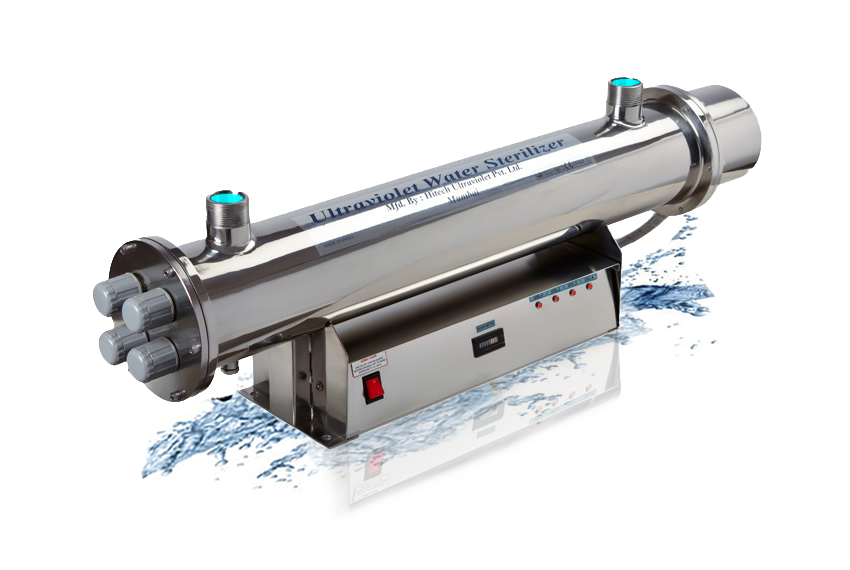
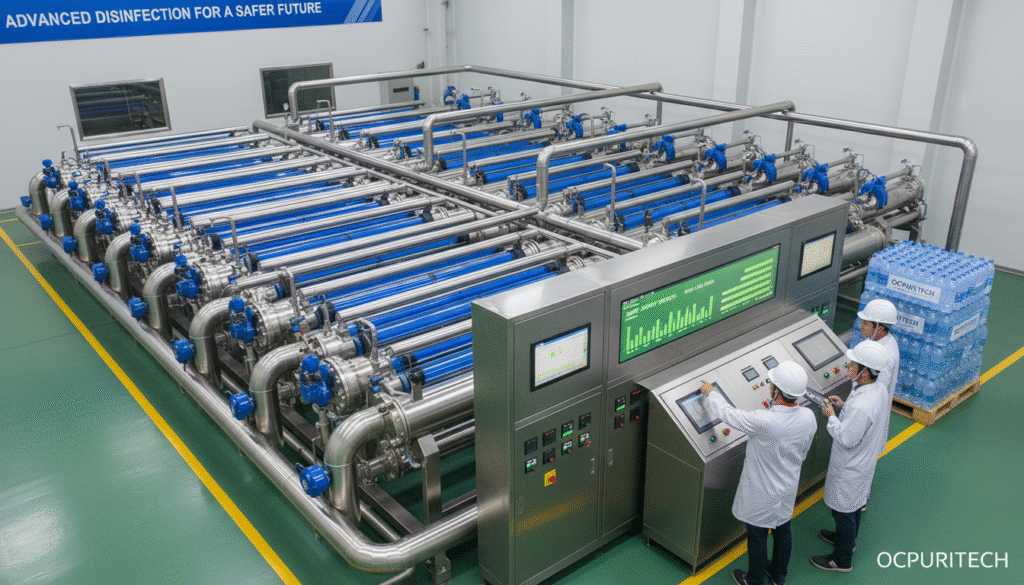
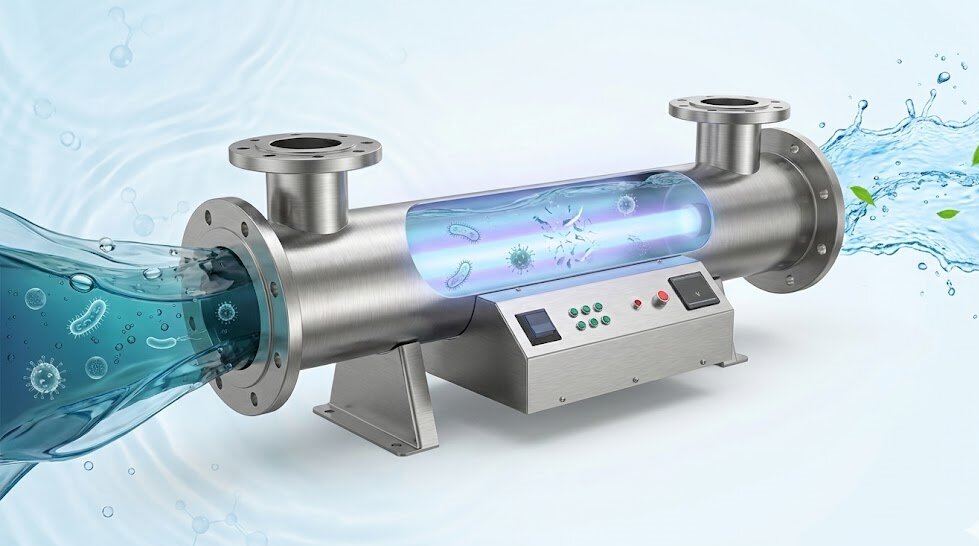
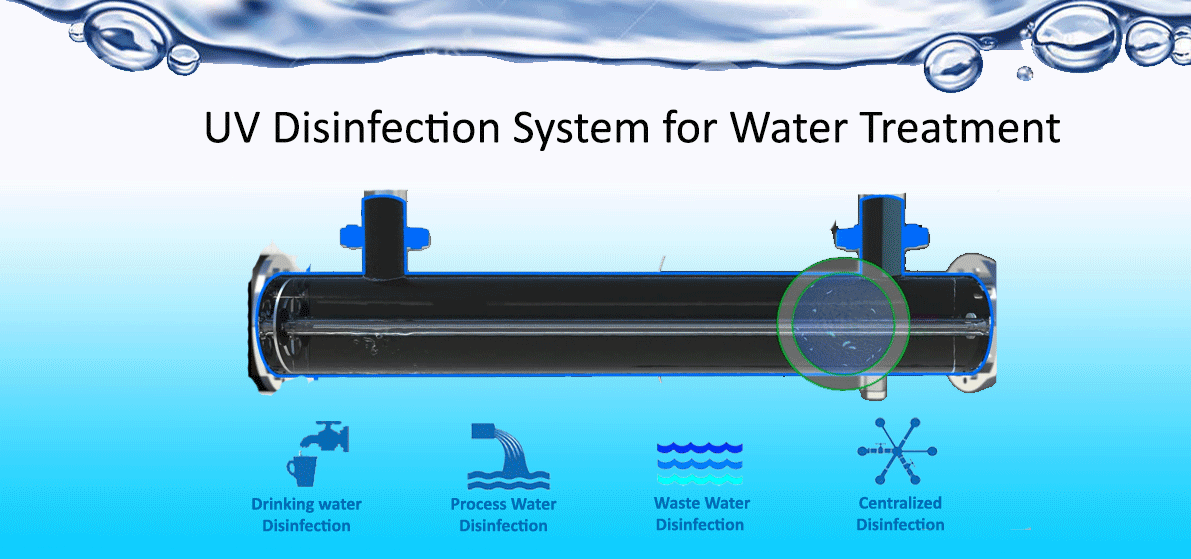
Industrial UV systems look like something from a sci-fi prop department—a sleek stainless steel cylinder, a quartz sleeve, and a high-intensity lamp humming inside. The water flows through the chamber, and UV rays hit every molecule entering the kill zone. Some systems use multiple lamps in parallel to handle massive flow rates, like a highway of light.
Don’t worry about maintenance; it’s shockingly low-effort. Most units have automatic wipers that clean the quartz sleeves, so you’re not scrubbing anything on a Tuesday afternoon.
 Products Archive - ABCO Water
Fitting UV Into Your Real Life
Whether you run a small bottling facility, a pharmaceutical lab, or a farm irrigation system, UV fits in like a chameleon. It connects right after your primary filtration—sediment and carbon filters first, then the UV zap. This is the “one-two punch” that pros swear by.
Here’s a practical tip: always install a water softener before your UV unit. Hard water leaves mineral deposits on the quartz sleeve, dimming the UV intensity. A little calcium can turn a $10,000 system into a fancy paperweight.
Size Matters (And So Does Flow Rate)
You don’t need a battleship-size reactor for a small operation. Most manufacturers offer compact units that handle 2 to 100 gallons per minute with ease. Look for models with a sensor that monitors UV intensity in real-time—it’ll alert you if the lamp starts to fade.
 Innovative Ultraviolet Water Treatment System for Efficient Industrial
One brand to nod at: Trojan Technologies (yes, named after the ancient warriors) dominates the industry with systems used in municipal plants worldwide. For smaller setups, Viqua and Pureflow are popular cult favorites.
The Environmental Wink
If your company has a sustainability goal, UV is your wingman. It uses no chemicals, so you eliminate storage and disposal headaches. Plus, modern lamps consume about as much power as a refrigerator light—around 30 to 80 watts per lamp. That’s less energy than a single blow-dryer session.
And get this: a typical industrial UV lamp lasts about 9,000 hours (roughly one year of continuous use). After that, you just swap the bulb—like changing a giant fluorescent tube, but with way more street cred.
Common Myths (Busted Over Coffee)
Myth: “UV doesn’t kill tough spores like Cryptosporidium.” Truth: Actually, UV is the gold standard for Crypto and Giardia, the two nastiest waterborne beasts. Chlorine barely touches them; UV smashes them in seconds.
 UV Water Sterilizer | Chemical-Free Water Disinfection System | PureShield
Myth: “It’s too expensive for small businesses.” Reality: Entry-level industrial units start around $1,500—less than a month of chemical costs for many plants. The ROI on lamp replacements and reduced maintenance is real.
Cultural Curiosities: UV in Pop Culture
Remember the Breaking Bad scene where Walter White uses a UV lamp to disinfect his cooking equipment? Pure cinematic drama—though in real life, that lamp would need to be about three times bigger to handle the flow. Still, it made UV look like the badass technology it is.
In Japan, UV water disinfection is as mainstream as vending machines; you’ll find it in hospitals, schools, and even some high-end bathhouses. Clean water culture is no joke there.
 Alfaa UV - The Water And Air Purification Expert
Practical Tips Before You Buy
First, test your water’s turbidity (cloudiness). UV only works on clear water—if your water looks like pea soup, pre-filter it with a sediment filter rated for 5 microns or smaller. Second, ask about validated dosing—some systems come with certification from NSF or UL, which means they kill 99.99% of pathogens.
Third, don’t skip the alarm system. A UV monitor that blinks red if the lamp fails can save you from a silent outbreak. It’s like a fire alarm for your water.
A Short Reflection on Daily Life
Here’s the thing: we take clean water for granted until the moment it tastes funny or the news breaks a contamination story. A UV system isn’t just a machine—it’s a quiet guardian that works while you sleep, while you sip your coffee, while you rinse your hands. It’s the invisible handshake of trust between your industry and the world.
Next time you pass a water treatment room, give it a little nod. That hum you hear? It’s light doing its best work, one microbe at a time. And that’s the kind of easy-going reliability you can carry into everything you do.
