What Is The Best Water Softener For Well Water

So, you’ve got a well. Congratulations! You’re basically a modern-day pioneer, harnessing the earth’s natural hydration. But here’s the not-so-fun secret: well water can be a...

So, you’ve got a well. Congratulations! You’re basically a modern-day pioneer, harnessing the earth’s natural hydration. But here’s the not-so-fun secret: well water can be a total diva. It’s often loaded with iron, manganese, and that pesky mineral we call hardness.
That hardness leaves scale on your faucets, makes your soap refuse to lather, and turns your hair into straw. Your appliances start to feel grumpy, too. So, the burning question is: what’s the best water softener for well water?
Let’s cut to the chase. There isn’t one magic box that works for everyone. Sorry to burst your bubble. The “best” softener depends entirely on what your specific well is dishing out. Think of it like a coffee order—you wouldn’t drink black coffee if you hate bitterness, right?
Must Read
First, Know Your Enemy (and Your Friends)
Before you buy anything, you need a water test. I know, it sounds boring. But trust me, skipping this step is like trying to bake a cake without knowing if you have flour or sawdust in the pantry. A simple test strip or a lab test will tell you the hardness level and the amount of iron.
Why does iron matter? Because plain old salt-based softeners can remove dissolved iron, but they’re terrible at handling solid iron particles (the kind that makes water look rusty). You might need a separate iron filter. It’s a whole thing.
Also, check for manganese (which leaves black stains) and pH levels. If your water is acidic, a softener alone will get eaten alive. You’d need a neutralizer first. See? It’s a science experiment you actually want to pass.
 Top 5 Best Water Softeners for Well Water with Multiple Contaminants
The Contenders: Salt-Based vs. Salt-Free
Okay, now for the face-off. The classic choice is a salt-based ion exchange softener. This is the heavy hitter. It swaps hardness minerals (calcium and magnesium) for sodium. It’s why your dishes sparkle and your skin feels like silk. It’s the real deal for most well owners.
But wait! There’s the salt-free option (technically a descaler, not a softener). It doesn’t remove minerals; it changes their crystal structure so they don’t stick to pipes. This is great if you’re eco-conscious or hate lugging bags of salt. But it won’t remove iron.
So, what’s the verdict? For serious well water, go salt-based every time. It’s the dependable workhorse. Salt-free is more of a fancy sidekick for already-decent city water.
The Iron Problem: A Plot Twist
Here’s where things get spicy. If your test shows more than 3-5 ppm (parts per million) of iron, a standard softener will choke. The iron will “foul” the resin beads, and you’ll end up with brown, salty sludge. Not cute. Trust me.
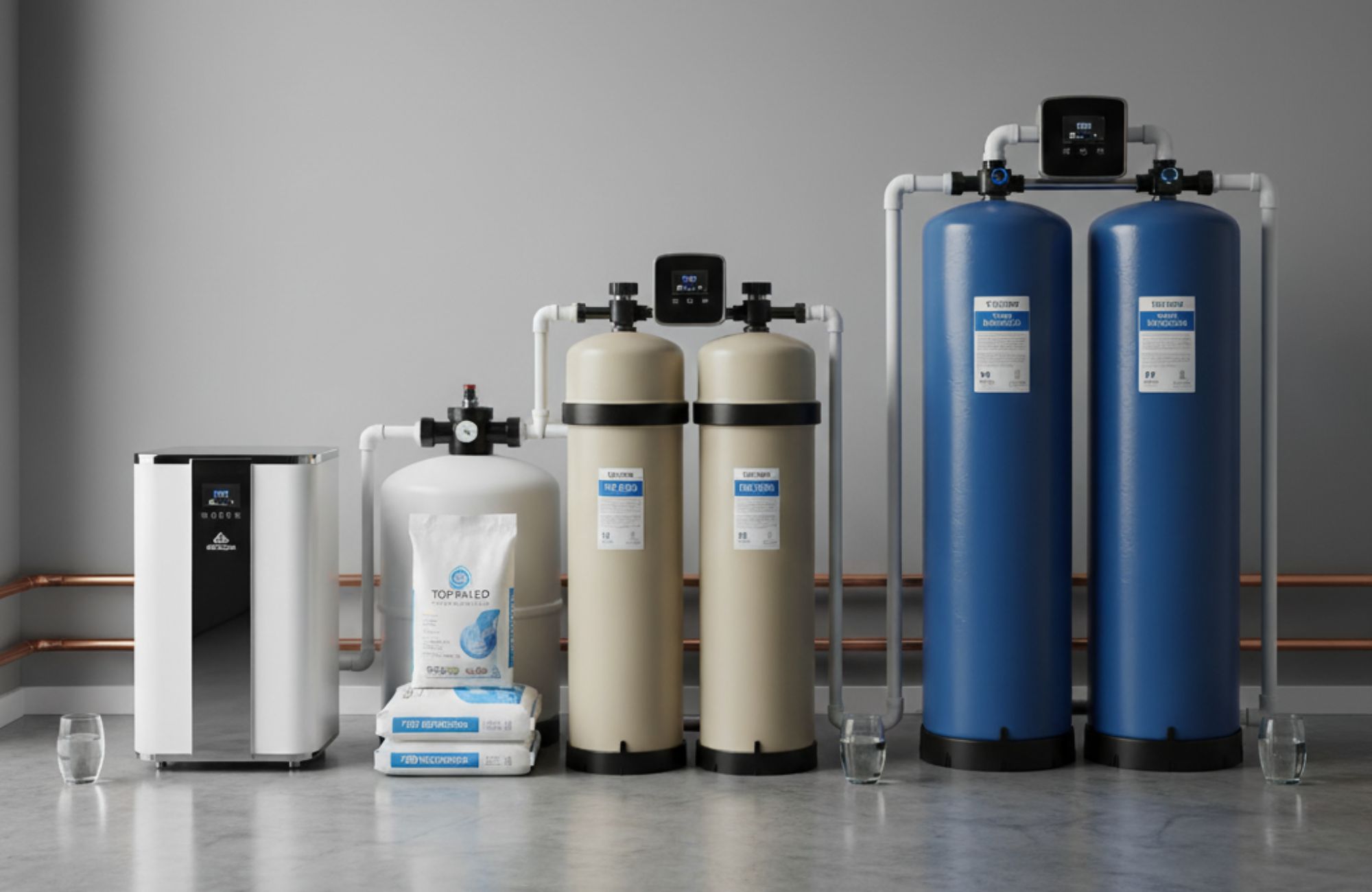 Best Water Softener Systems in Wolcott, CT (2025) - Housatonic Valley
You need a combo unit, or a separate iron filter (one that uses air injection or potassium permanganate). Brands like SoftPro or Pelican make systems that handle iron and hardness in one shot. They cost more, but they save you from waking up to a science experiment in your toilet tank.
Another tip: look for a system with a high-flow resin and a large tank. Well water pressure can be finicky, and a small unit will just make you sad. You want power, baby. Power and salt capacity.
Top Picks for the Win
If you have low to moderate iron (under 3 ppm), the SpringWell WHS Series is a fan favorite. It’s built like a tank, uses salt efficiently, and has a smart control valve. It’s the reliable friend who always shows up with pizza.
If your iron is high (over 3 ppm), look at the SoftPro IronMaster. It’s a two-in-one beast that removes iron, manganese, and hardness. It’s not cheap, but it’s the Batman of water treatment. No capes, just results.
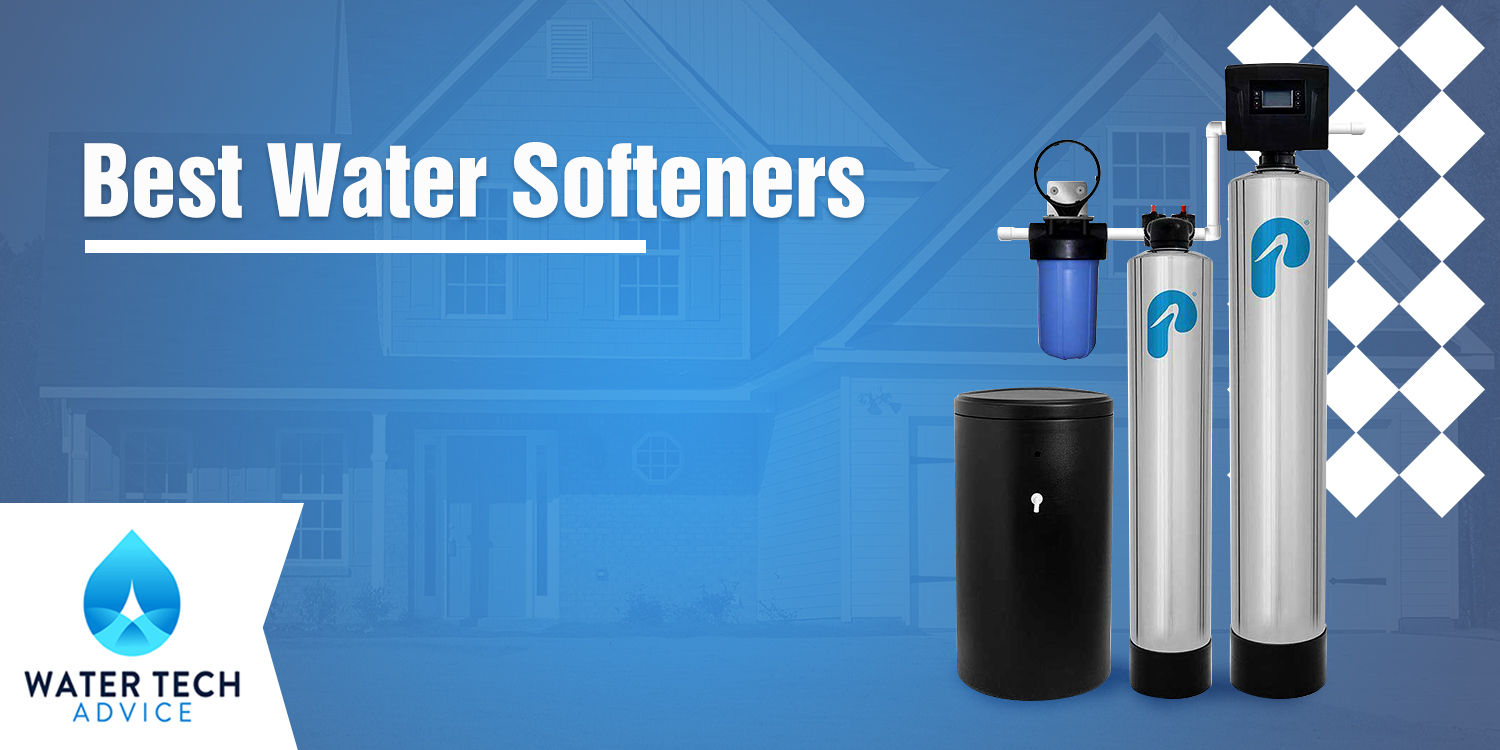 5 Best Water Softeners For Well Water – CBPG
For a more budget-friendly option, the Fleck 5600SXT is a classic. You’ll need to pair it with a separate iron filter, but the Fleck valve is legendary. It’s like the Toyota Corolla of softeners: boring, but it runs forever.
Installation (or Calling for Backup)
Now, a sad truth: installing a softener for well water is not a plug-and-play weekend project. You need to cut into your main water line, add a drain line, and possibly deal with a pre-filter. If you’re not handy with PVC pipes, call a plumber. Don’t be a hero.
Also, you have to find the right location. The softener should be after the well tank and before the water heater. And it needs to be somewhere warm—basement, garage (if heated). Frozen salt water is a nightmare. I’ve seen the aftermath. It’s not pretty.
Finally, please, please check your well pump’s output. A softener needs a certain flow rate to regenerate. If your well is weak, you might need a bigger storage tank. Otherwise, the system will just give up. It’s like asking a hamster to lift a barbell.
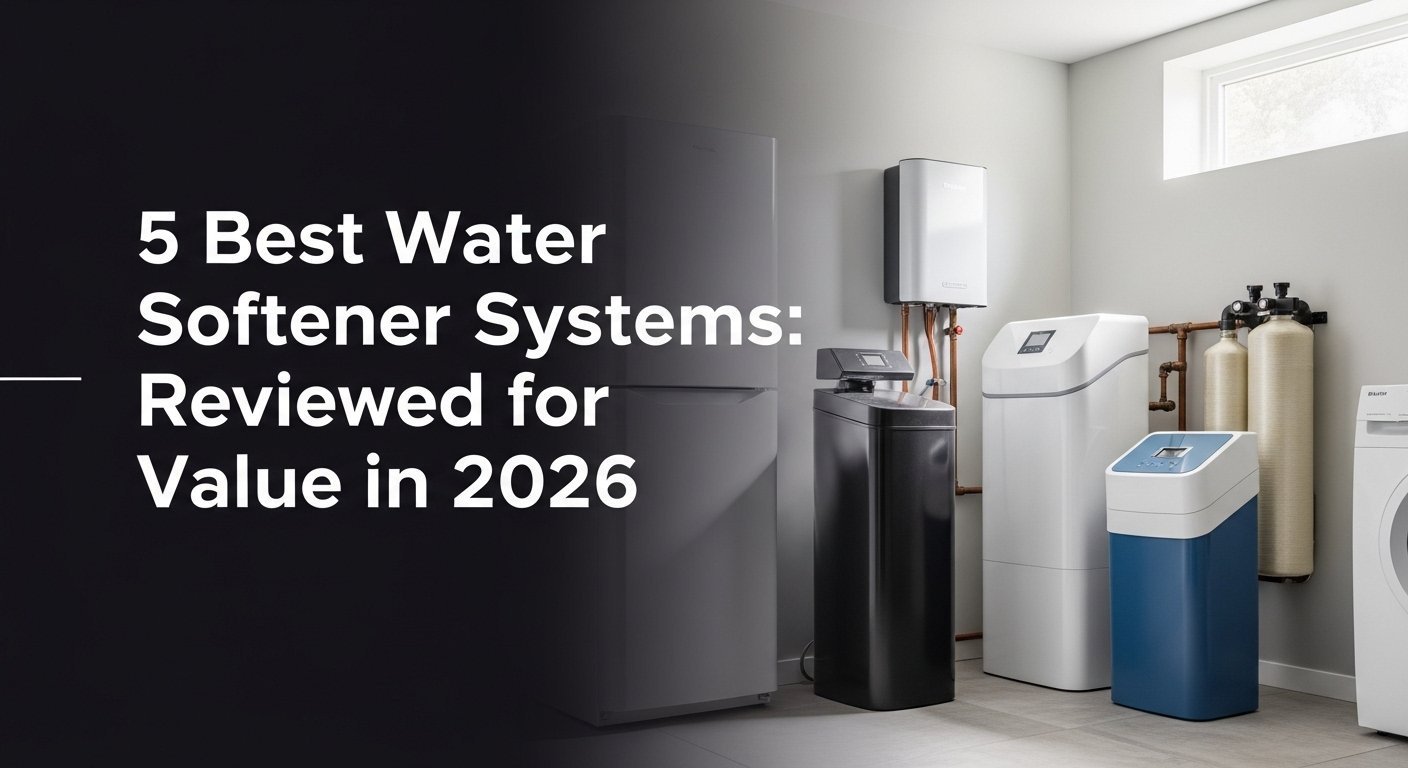 5 Best Water Softener Systems: Reviewed For Value In 2026
The Uplifting Conclusion (You Made It!)
Look, finding the best water softener for well water isn’t a one-size-fits-all game. It takes a little detective work, a water test, and maybe a conversation with a local pro. But once you find your system? Oh, the glory.
Your glasses will sparkle. Your skin will feel like a baby’s. Your coffee maker will stop making that sad, chalky noise. You’ll walk into your shower and feel like you’re in a spa, not a science lab. You’ll become the hero of your own house.
So, go forth, test your water, and pick the machine that fits your iron and your budget. Your pipes will thank you. Your laundry will thank you. And one day, you’ll sip that perfect, scale-free glass of water and smile, knowing you conquered the hard stuff. Literally.
Now, go enjoy your well. You’ve earned it, you beautiful pioneer, you. 🌊✨
