Best Water Softener And Reverse Osmosis System

Let’s be honest: your tap water has a personality, and it’s not always a nice one. Sometimes it tastes like a swimming pool, leaves white crust on your coffee pot, or turns yo...
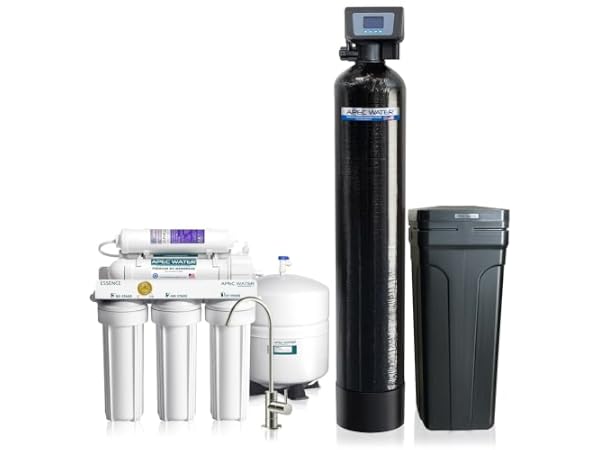
Let’s be honest: your tap water has a personality, and it’s not always a nice one. Sometimes it tastes like a swimming pool, leaves white crust on your coffee pot, or turns your shower into a battle against soap scum. You’ve probably Googled “best water softener and reverse osmosis system” while staring at a cloudy glass of water, wondering if you need a science degree to fix it.
But here’s the good news: you don’t. It’s like picking a superhero duo for your plumbing. A water softener is the bouncer that kicks out hard minerals, while a reverse osmosis system is the elite spy that removes the sneaky contaminants. Together, they’re the dream team your kitchen sink has been begging for.
The Hard Truth About Hard Water
Hard water is that annoying friend who never leaves the party. It hangs around your faucets, clogs your showerheads, and makes your towels feel like sandpaper. I once thought my laundry was cursed—until I realized the “crunch” in my jeans was just mineral deposits doing the cha-cha.
Must Read
A good water softener swaps those calcium and magnesium ions for sodium or potassium. Think of it as a diplomatic exchange: “You, hard minerals, are exiled. Welcome, soft water, the VIP guest.” The result? Your skin feels less like a lizard’s handbag, and your dishes actually sparkle without you scrubbing them into submission.
What to look for in a softener
You don’t need a model that can predict the stock market. Look for a grain capacity that matches your household size. A family of four? Grab a 40,000-grain unit. A single apartment dweller? A 20,000-grain unit will do. And don’t forget a demand-initiated regeneration feature—it saves water by only flushing when it’s needed, unlike that one roommate who showers for an hour.
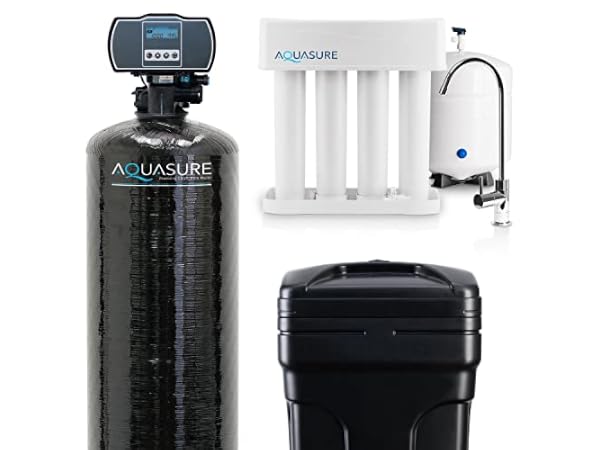 The 10 Best Reverse Osmosis Water Softeners of 2026 (Reviews
Salt-based systems are the gold standard, but salt-free “conditioners” are a thing if you prefer to avoid brine tanks. Just know that salt-free doesn’t actually remove hardness—it changes the mineral structure so it doesn’t stick. It’s like putting a raincoat on the problem instead of sending it home.
Reverse Osmosis: The Taste Police
Now, let’s talk about the real hero of drinking water: reverse osmosis. This system is the picky eater of water filtration. It pushes water through a semi-permeable membrane that blocks everything—lead, chlorine, fluoride, microplastics, even that weird smell from your tap that reminds you of a public pool.
I installed one last year, and my morning coffee went from “meh” to “why didn’t I do this sooner?” The first sip tasted so clean, I actually laughed. It was like the water had been on a spa retreat and came back with a glow.
 Water Softener vs Reverse Osmosis: Choose the Right System
What to consider in an RO system
You’ll want a multi-stage setup: pre-filters, the membrane, and a post-filter for polishing. Some fancy models add a UV light for extra germ-zapping power—because who doesn’t want water that’s been both filtered and sunbathed? Also, check the waste water ratio. Older models waste three gallons for every good one; newer “permeate pumps” waste almost nothing.
Remember, these systems are slow. They produce water at a trickle, like a very polite bartender. So get a model with a storage tank (2 to 4 gallons) unless you enjoy micromanaging your hydration.
The Perfect Pair: Combining Softener and RO
Here’s where it gets brilliant. A water softener pre-treats the water, which extends the life of your RO membrane by up to three times. Hard water clogs that delicate membrane faster than a clogged artery at a bacon festival. Soft water lets the RO system work efficiently, saving you money and headaches.
 Water Softener & Reverse Osmosis | Lone Star Water Services
Install the softener as a whole-house system, then add an RO unit under your kitchen sink. It’s like having a butler and a sommelier—one preps the ingredients, the other serves the perfect glass. You’ll notice the difference in your skin, your coffee, and the longevity of your appliances.
A few practical tips
Don’t buy the cheapest combo you find online. I did that once. The softener sounded like a dying lawnmower, and the RO system leaked so much water, my floorboards started a support group. Spend a little more on reputable brands like Fleck for softeners and APEC or iSpring for RO systems.
Also, maintenance isn’t rocket science. Change the softener’s salt every month (refill the brine tank when it’s 1/3 full). Replace the RO pre-filters every 6 months and the membrane every 2-3 years. It’s less work than justifying your coffee addiction.
 Water Softener System With Reverse Osmosis at Jeffrey Boutte blog
The Bottom Line (Without the Limescale)
You don’t need to become a plumbing guru to enjoy great water. A good water softener and reverse osmosis system are like peace treaties between you and your pipes. They stop the fighting, the scaling, the weird taste, and the never-ending shower scrubbing.
My advice? Start with a softener if your water is hard (white spots on glasses? Hello). Add an RO system when you’re ready to drink like royalty. You’ll smile every time you fill a glass, and you’ll never nod at a cloudy ice cube again.
So go ahead. Give your water a makeover. Your skin, your coffee, and your favorite kettle will thank you with every clean, crisp sip.
