Best Water Home Filter

So, picture this: it’s 2 AM, and I’m standing in my kitchen, staring at a glass of tap water like it’s a science experiment gone wrong. The faucet coughed out something that l...
So, picture this: it’s 2 AM, and I’m standing in my kitchen, staring at a glass of tap water like it’s a science experiment gone wrong. The faucet coughed out something that looked like weak tea—thanks to old pipes—and smelled faintly of a swimming pool. I took a sip, grimaced, and poured it down the drain, muttering, “There has to be a better way.” That’s when my quest for the best water home filter began, and let me tell you, it’s been a game-changer.
You’ve probably been there too, right? That moment when you realize your “refreshing glass of H2O” tastes more like “rusty regrets.” It’s not just about taste—it’s about trust. We’re out here paying for bottled water like it’s a luxury car, when the solution might be sitting under your sink. Let me walk you through what I found, so you can skip the 2 AM epiphany.
Why You Even Need a Home Water Filter
First off, your tap water isn’t necessarily evil—but it’s definitely not a spa treatment. Municipal water treatment does its job, but it often leaves behind chlorine, sediment, and the occasional heavy metal. I’m looking at you, lead pipes from the 1950s. A good filter strips out the nasties while keeping the good minerals, like calcium and magnesium.
Must Read
And here’s the kicker: bottled water isn’t always cleaner. In fact, some brands are just tap water in disguise—looking at you, fancy plastic bottles. A home filter saves you cash, reduces plastic waste, and gives you water that actually tastes like… water. Not a chemistry lab.
The Contenders: What’s the Best Water Home Filter?
I tested a few, got wet several times (clumsy, I know), and narrowed it down. The winner? Activated carbon filters for overall value, but let’s break it down so you don’t have to turn your kitchen into a water park.
 Reverse Osmosis Water Filter For Humidifier | Gas Furnace
1. The Fridge Filter (The Lazy Winner)
If you’ve got a fridge with a dispenser, you’re already halfway there. A standard fridge filter uses activated carbon to zap chlorine taste and bad odors. It’s dead simple—just swap the cartridge every six months, and you’re golden. But here’s the catch: it’s not great at removing heavy metals or fluoride. So if your water is “hard” (hello, chalky residue), you might need something stronger.
2. The Under-Sink System (The Overachiever)
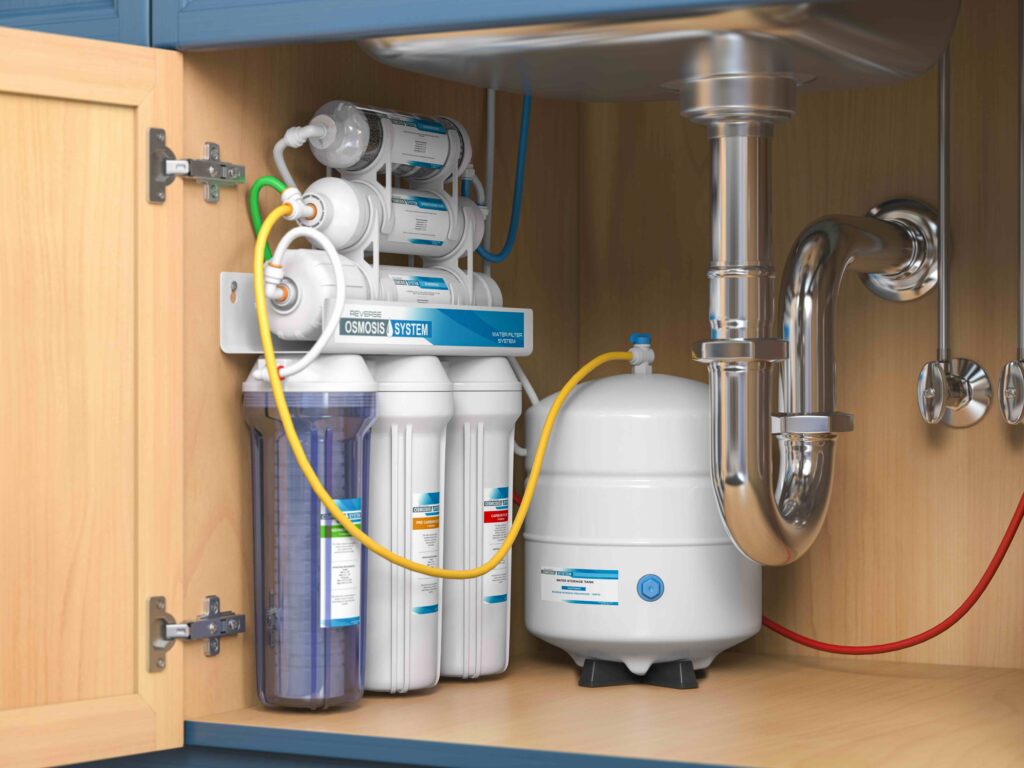
This is what I ended up with, and I’m not mad about it. An under-sink, multi-stage filter—like a reverse osmosis system—removes everything: chlorine, lead, pesticides, even microplastics. It’s like a security guard for your hydration. The downside? It wastes a bit of water during the process (about 4 gallons for every gallon filtered). But if you want water that tastes like mountain spring without the mountain, this is your move.
 Best Home Water Treatment System at Wilfred Mccarty blog
3. The Countertop Carbon Filter (The Traveler’s Buddy)
Don’t want to drill holes or call a plumber? Grab a countertop filter that sits next to your sink. These use carbon blocks and sometimes coconut shells—fancy, right? They’re easy to install, affordable, and great for renters. I’ve got one in my office, and it’s saved me from drinking “microwave coffee” water. Just remember to change the filter on time, or you’re basically decorating your counter with a useless jug.
What to Look For (So You Don’t Get Duped)
Okay, let’s get real for a sec. Not all filters are created equal. Check the NSF certification—that little logo means the product actually does what it claims. For example, an NSF 53 filter removes lead; an NSF 42 reduces chlorine taste. Don’t just buy the prettiest pitcher at Target.
 Whole-House Water Filtration Systems for Safer, Cleaner Living | Armadillo
Side note: Pitcher filters? They’re fine for a dorm room, but for a family? That’s an endless refill cycle. You’ll spend more time waiting for water to drip than actually drinking it.
The Verdict: Which One’s for You?
If you’re a minimalist who hates maintenance, go with a fridge filter. It’s the couch potato of clean water—low effort, decent results. But if you’re a control freak who wants sparkling clarity (no judgment, I’m one too), invest in an under-sink reverse osmosis system. The upfront cost is around $200–$500, but it pays off in two years of bottled-not-buying.
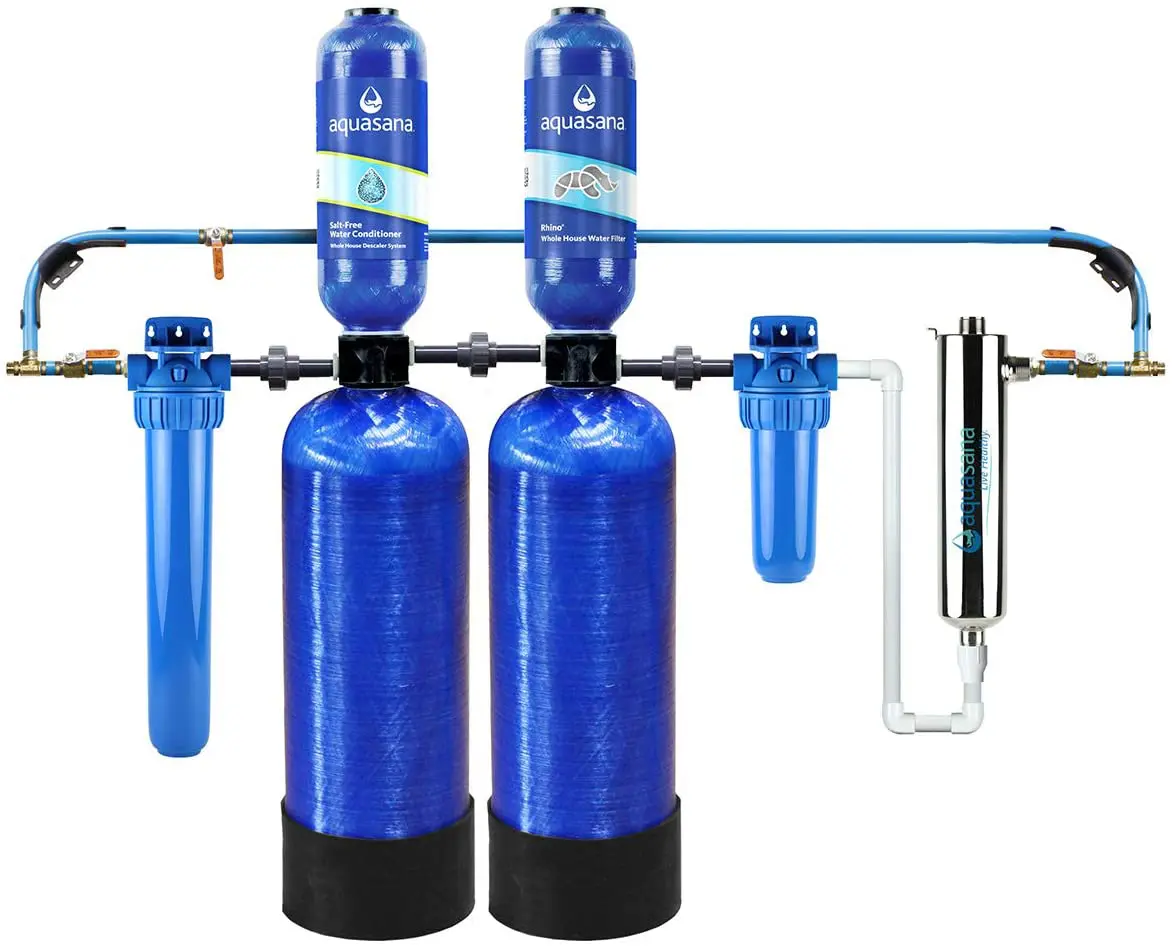
:max_bytes(150000):strip_icc()/best-home-water-filters-4159152-jay-wilde-339602794a074e40a92c71cacded5dd2.jpg) The 8 Best Whole-house Water Filters of 2024
The 8 Best Whole-house Water Filters of 2024
For the rest of us living in old apartments like me? A countertop carbon filter is the sweet spot. It’s cheap (under $60), requires zero tools, and makes your water taste like a $5 bottle from the store. I literally fill my kettle with it now—my coffee thanked me.
Final Sip of Wisdom
Look, I’m not saying a water filter will change your life. But it will stop you from making that “ugh” face every time you take a drink. It’s a small upgrade that makes a daily difference, like a good pillow or a solid pair of socks. Your body is 60% water—don’t let it be 60% rusty tap juice.
So, go ahead. Pick your filter, install it (or just plug it in—I believe in you), and take that first clean sip. Welcome to the hydration club. We’ve got filtered water and zero regrets.
