Best Undersink Ro Systems

Let’s be real: tap water often tastes like a reluctant handshake between regret and chlorine. You fill your glass, take a sip, and think, “Is this really what hydration feels...

Let’s be real: tap water often tastes like a reluctant handshake between regret and chlorine. You fill your glass, take a sip, and think, “Is this really what hydration feels like?” Enter the unsung hero of modern kitchens: the under-sink reverse osmosis system. It’s not just a filter; it’s a silent upgrade to your daily rituals, like swapping sweatpants for tailored joggers—same comfort, way more style.
Think of RO as the bouncer for your water. It uses a semi-permeable membrane to kick out contaminants like lead, chlorine, fluoride, and even microplastics. The result? Water so crisp it makes you question every bottle you’ve ever bought. But not all systems are created equal, and choosing the right one is like picking a Netflix series—you want the experience, not just the hype.
The first rule of RO club: flow rate matters. Early models trickled like a stubborn faucet, but modern tanks now push 600 to 800 gallons per day. That means you can fill a pot for pasta without contemplating your life choices. Look for systems with a high recovery ratio—they waste less water, which is both eco-friendly and kind to your utility bill.
Must Read
Three Systems That Actually Deliver
Let’s skip the noise. The Waterdrop G3 is the minimalist’s dream—it’s tankless, sleek, and fits under even the most cramped sinks. It also boasts a smart LED faucet that winks at you when it’s filtering. Yes, it’s that extra. For a more budget-conscious choice, the APEC RO-90 is a workhorse. It’s been around longer than your favorite jeans and still filters like a champ.
If you want a system that feels like a luxury spa upgrade, the iSpring RCC7 is your move. It adds an alkaline remineralization stage, so your water has a silky mouthfeel and a slightly higher pH. It’s basically adding a lavender pillow to your hydration. Pro tip: pair it with a stainless steel water bottle for maximum aesthetic payoff on your counter.
 7 Best Reverse Osmosis Systems of 2024
Installation: Easier Than Assembling IKEA (Sort Of)
Most under-sink systems come with color-coded tubes and step-by-step guides. You don’t need a plumber—just a drill for the faucet hole and maybe an afternoon of mild frustration. Think of it as a puzzle where the reward is perfect water. If you’re renting, look for a model like the Express Water 50GPD that easily connects to existing faucets without permanent modifications.
Here’s the fun fact: the first reverse osmosis system was developed in 1950s California to desalinate seawater. Today, you’re using the same science to make your morning iced coffee taste like it was blessed by a barista in Tokyo. Technology is wild. And don’t worry about the waste water—modern systems use about 3:1 or 4:1 ratio, meaning for every gallon of filtered water, only three are sent down the drain. That’s better than your shower’s water usage.
 What You'll Really Pay for a Reverse Osmosis System (Installation Costs
The Fine Print: What to Look For
First, check your water pressure. Most RO systems need at least 40-50 psi to work efficiently. If you have low pressure, consider a booster pump—it’s like giving your system a tiny espresso shot. Second, filter lifespan. The membrane typically lasts 2-3 years, while pre-filters need swapping every 6-12 months. Don’t be lazy about this. A clogged filter turns your water into a sad, slow trickle.
Also, think about contaminant removal. The best systems are NSF/ANSI 58 certified for a reason. That certification means they’ve been tested to remove fluoride, arsenic, and even the occasional ghost of whatever was in that rusty pipe. Your taste buds will thank you. And if you live in an area with hard water, get a system with a pre-filter that handles sediment—otherwise your membrane will get crusty like an old sea sponge.
Cultural Sips: Why We’re Obsessed Right Now
Remember when everyone bought those massive jugs of filtered water from the grocery store? That’s so 2015. The under-sink RO system is the 2020s answer to wellness minimalism—it’s efficient, discreet, and doesn’t crowd your fridge with plastic. In Japan, high-end homes have featured under-sink filtration for decades. Now, it’s your turn to join the club without having to learn a new language.
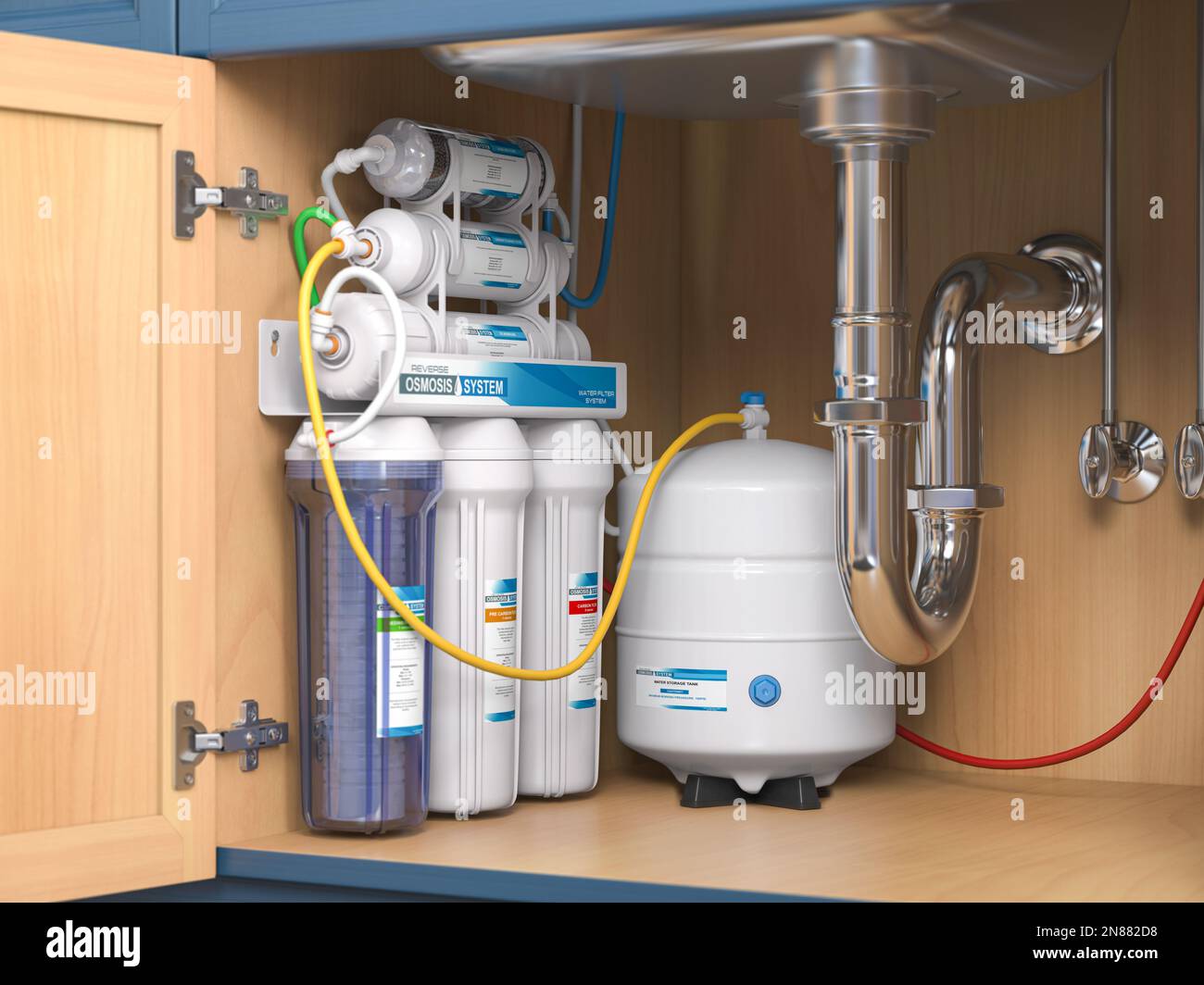 Reverse Osmosis System For Kitchen at Laura Kiek blog
There’s also a fun tie to the “quiet luxury” trend. You’re not flexing a bottle logo; you’re flexing a clean, silent system that works while you sleep. It’s the water equivalent of a perfectly tailored linen shirt—understated, but everyone notices the quality. Your iced tea will taste more like tea, and less like a swimming pool.
Practical Tips for the New Enthusiast
Start by testing your tap water. A simple TDS meter (ten bucks on Amazon) tells you if you even need an RO system. Spoiler: if your TDS is above 300, yes, you do. Then, measure your under-sink space—most systems need about 15 inches of clearance and a few inches for the tank. It’s like checking if your suitcase fits in the overhead bin, except the payoff is eternal hydration.
 Best Under-Sink RO System for Easy Maintenance | Glacier Fresh
Install the system on a dry day (leaks are easier to spot). Use Teflon tape on all threaded connections, and run the system for three hours after installation to flush out any storage residue. Pro move: mark a date on your calendar for filter changes. Your future self, sipping pristine pH-balanced water, will send you a mental high-five.
Finally, integrate your RO water into your life. Use it for pasta, for your cat’s bowl, and for watering your prized fiddle-leaf fig (it hates chlorine). It elevates the mundane. The morning coffee ritual becomes a moment of clarity; the evening glass of water becomes an act of self-care. You’ll find yourself drinking more, not just because it’s healthy, but because it tastes good.
And here’s the reflection: in a world of chaos, having a small, hidden machine under your sink that silently purifies every drop you touch is a quiet act of rebellion. You’re choosing better, one sip at a time. That glass of water isn’t just hydration—it’s a tiny, constant affirmation that you deserve simplicity and quality. So go ahead, install that system, pour yourself a glass, and toast to the things that work without fanfare. They’re the ones truly worth having.
