Best Water Treatment For Home

Let’s Talk About the Water Coming Out of Your Tap You know that moment when you fill a glass from the kitchen sink, take a sip, and think, “Hmm, what’s that aftertaste?” You’r...
Let’s Talk About the Water Coming Out of Your Tap
You know that moment when you fill a glass from the kitchen sink, take a sip, and think, “Hmm, what’s that aftertaste?” You’re not alone. Many of us have a love-hate relationship with our home’s water. It’s essential, sure, but sometimes it smells like a swimming pool or leaves weird white spots on your favorite coffee mug.
The truth is, water quality changes depending on where you live. Your neighbor’s water might taste like a mountain spring, while yours has a faint metallic tang. Don’t worry—fixing it is easier than you think.
Why You Should Actually Care
Let’s be honest: we drink water every single day, but we don’t often stop to think about what’s in it. Hard water, for instance, can wreck your appliances and leave your skin feeling like sandpaper. It’s the reason your showerhead gets crusty and your dishes have those stubborn spots.
Must Read
And then there’s the taste. If your water tastes like a chemistry experiment, you’re less likely to drink enough of it. That matters, because staying hydrated is the easiest way to feel less grumpy and more like a functioning human. So, finding the best water treatment for home isn’t just about luxury—it’s about making your daily life a little bit better.
Your Usual Suspects: The Big Three
Most home water problems fall into three categories: hardness (all that calcium and magnesium), chlorine (the pool smell), and sediment (tiny particles that make water look cloudy). Like the time my friend Jim installed a new faucet and found a pebble inside—yep, that happens.
Knowing your enemy is half the battle. The other half? Picking the right filter that fits your life, your budget, and your weird obsession with sparkling-clean ice cubes.
 How To Choose the Best Water Treatment System for Your Home – Premier
Option 1: The Classic Pitcher Filter (The Starter Friend)
Remember that Brita pitcher your college roommate had? It’s still a solid choice for simple fixes. You fill it up, wait a few minutes, and boom—your water tastes a thousand times better. It’s perfect if your main complaint is the taste of chlorine or if you just want a quick drink without drama.
But here’s the catch: a pitcher filter won’t do much against hard water or heavy metals. It’s like putting a band-aid on a splinter. Great for small problems, but not a total solution.
Option 2: Faucet-Mounted Filters (The Convenient Buddy)
If you’re lazy like me, a faucet-mounted filter is your best friend. It screws right onto your tap and filters water as it flows out. No waiting, no pouring—just instant, better-tasting water. My neighbor Susan swears by hers because she can finally make iced tea without that “pool water” flavor.
 My Home Water Treatment 2026
The downside? They can slow down your water pressure a bit, and they sometimes get in the way when you’re washing big pots. But honestly, it’s a small trade-off for water that doesn’t taste like regret.
Option 3: Under-Sink Systems (The Hidden Hero)
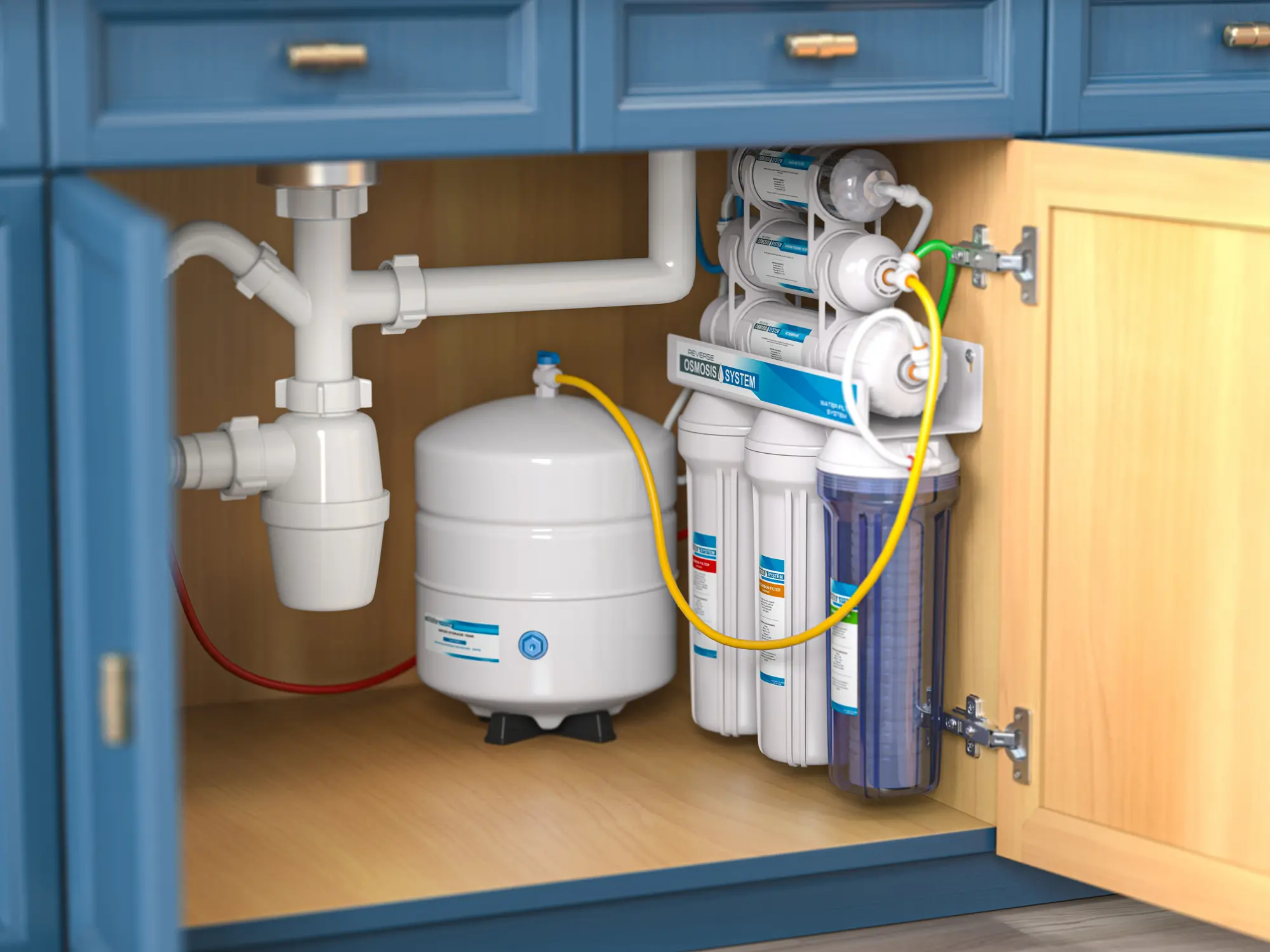
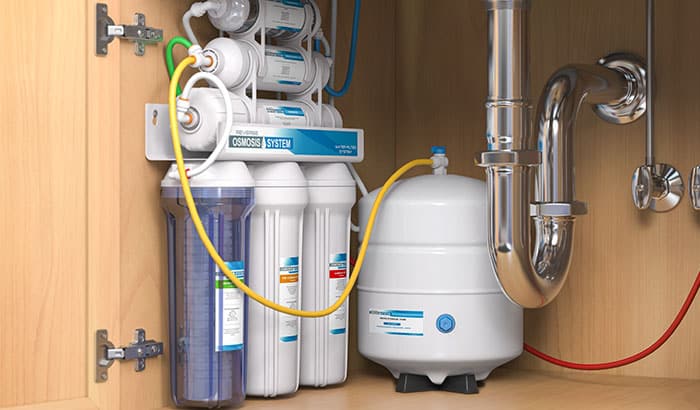
This is where things get real. An under-sink reverse osmosis system hides under your cabinet and delivers restaurant-quality water. It removes everything from lead to pesticides to those weird minerals that leave spots. My buddy Mark installed one last year, and now he fills up his water bottles at home instead of buying fancy spring water at the store.
They cost a bit more upfront (think $150 to $500), and installation might require a plumber if you’re not handy. But once it’s in, you’ll wonder how you ever lived without that clean, crisp sip. Plus, you get bragging rights at dinner parties.
 Best Home Water Treatment System at Wilfred Mccarty blog
Option 4: Whole-House Water Softeners (The Big Boss)
If you’ve got hard water—you know, the kind that leaves soap scum on your skin and chalky buildup on your kettle—a whole-house water softener is your dream come true. It treats every drop entering your home, from the shower to the washing machine. Imagine: softer skin, shinier hair, and zero spots on your wine glasses.
I’ve seen friends’ dishwashers double in lifespan after installing one. The only trade-off is the salt you need to refill monthly, and it makes the water slightly salty to the taste (but you won’t notice if you drink it chilled). For families with tough water, this is the undisputed champ.
Mixing and Matching: The Pro Move
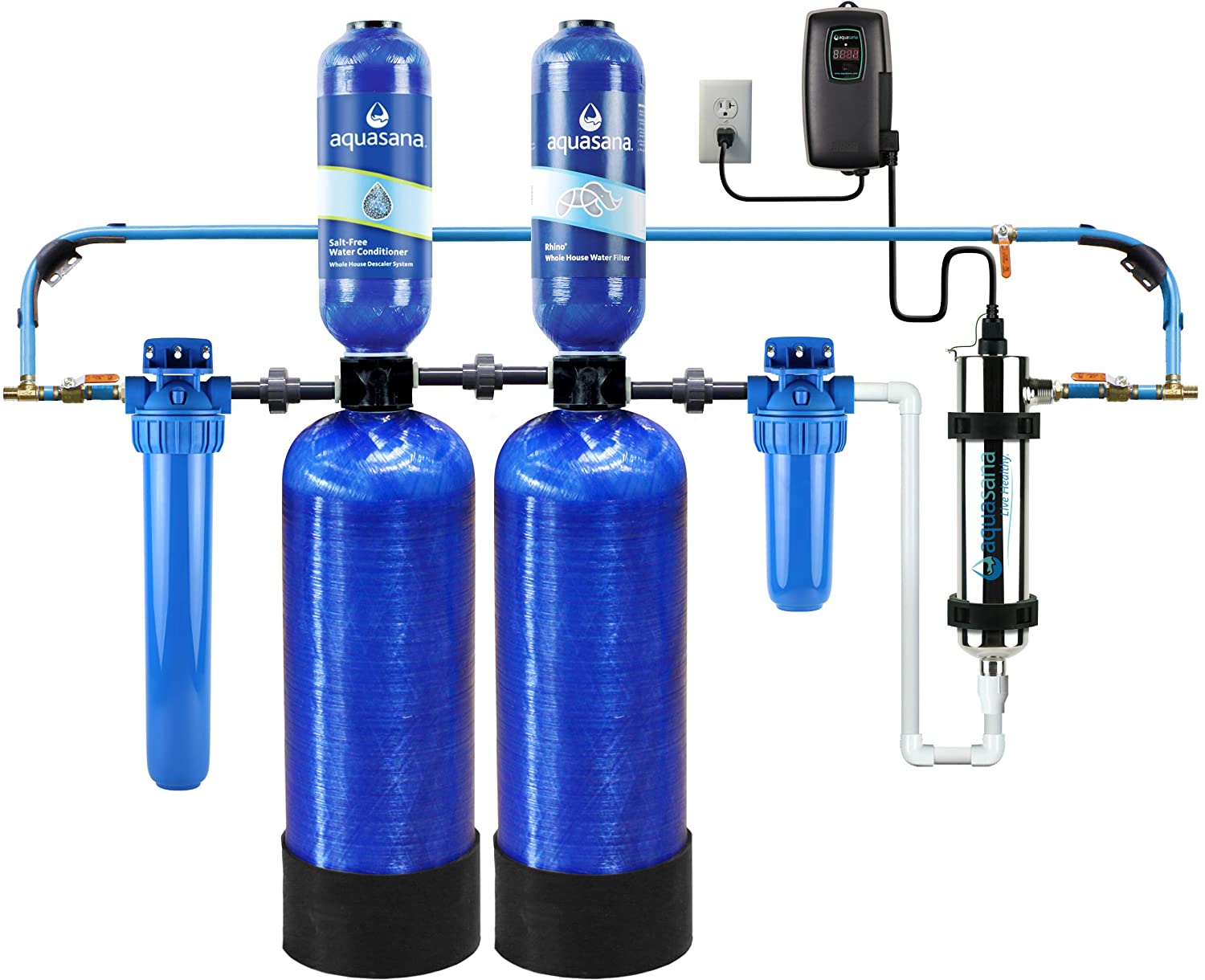
Here’s a secret: you don’t have to pick just one. Many people combine a whole-house softener with an under-sink reverse osmosis system for drinking water. The softener protects your pipes and skin, while the RO system makes your tap water taste like a $5 bottle. It’s like having a spa and a fine-dining restaurant in your kitchen.
 The 4 Reasons You Should Get a Home Water Treatment System
How to Make Your Final Decision
Start cheap. Buy a testing kit from the hardware store (they’re about $10) or check your city’s water quality report online. Look for chlorine, hardness, and lead. That test alone will tell you what you’re up against.
Then, think about your daily habits. Do you fill a water bottle ten times a day? Go for an under-sink system. Do you hate scrubbing mineral stains off your shower door? Get a softener. The best water treatment for your home is the one that actually makes you want to drink water.
So, go ahead. Treat yourself to a filter that doesn’t judge your messy kitchen. Your body, your coffee maker, and your future bright-white laundry will thank you. Cheers to better sips!
