Best At Home Water Filtration

So, picture this: I’m standing in my kitchen, holding a glass of tap water that looks clear enough, but my inner conspiracy theorist is screaming, “What else is in there?” I s...
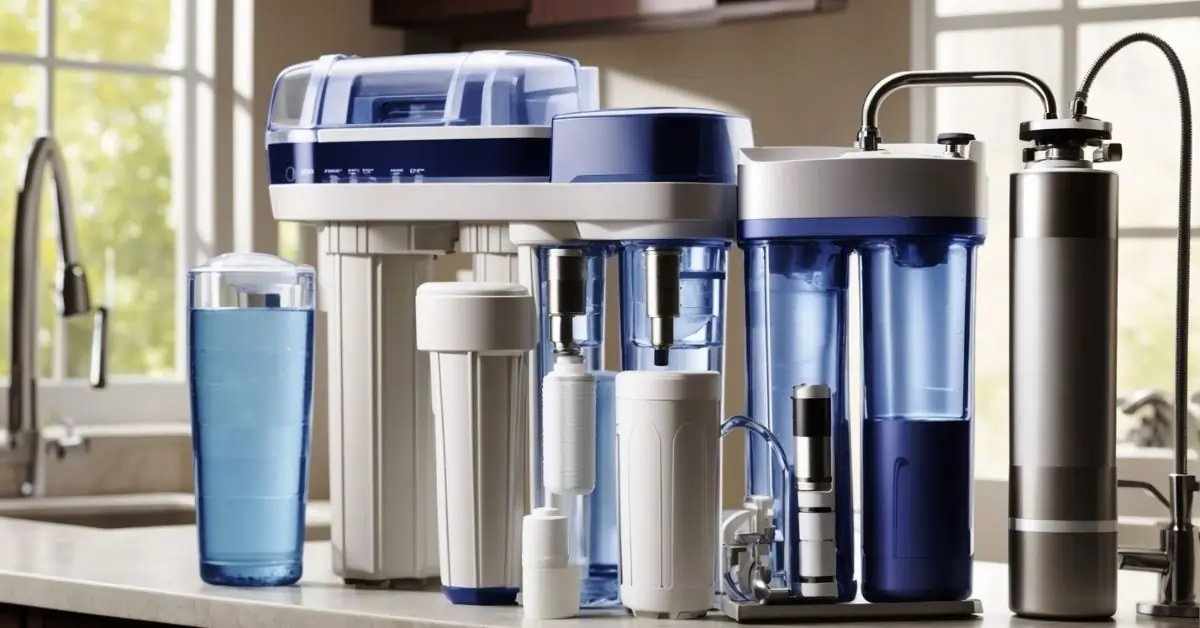
So, picture this: I’m standing in my kitchen, holding a glass of tap water that looks clear enough, but my inner conspiracy theorist is screaming, “What else is in there?” I swear I could taste the faint ghost of last week’s pipe cleaner and a hint of municipal chlorine. That’s the moment I realized: your water might be safe to drink, but “safe” doesn’t mean “pleasant” or “pure.”
And that, my friend, is how my deep-dive into the best at-home water filtration began. Because let’s be real—why pay for bottled water when you can DIY a crisp, clean glass straight from the tap? (And save the planet a little, too. You’re welcome, Earth.)
The Smoking Gun: What’s Actually in Your Water?
First, a quick reality check: most tap water in the US and UK is perfectly fine by legal standards. But “fine” doesn’t mean great—especially if you’ve got old pipes, a municipal supply that adds chlorine, or you live near farm runoff (hello, nitrates).
Must Read
The real nasties are often invisible: lead, chlorine byproducts, pesticides, and even microplastics. That’s why a good filter isn’t a luxury—it’s a sanity-saver. You deserve water that doesn’t taste like a swimming pool or a chemistry lab.
The Filtration Lineup: Pick Your Fighter
1. Pitcher Filters (The Lazy Genius)
You know the drill: Brita, PUR, or any of those carafe-style filters that sit in your fridge. They’re cheap, easy, and perfect if you just want better-tasting coffee or ice cubes. But— they’re slow (waiting 5 minutes for a glass feels like an eternity) and they don’t remove heavy metals like lead or fluoride.
Best for: Renters, small households, or anyone who hates commitment. (Not a diss, I’ve been there.) Just remember to change the cartridge every two months—you’d be surprised how gross those things get.
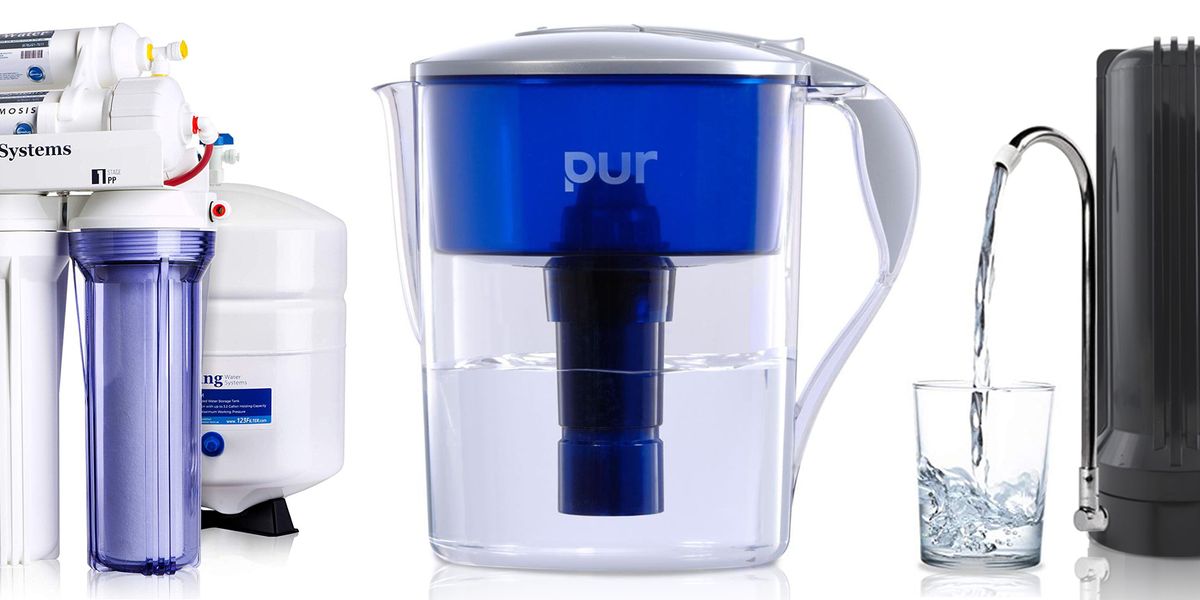 Best Home Water Filters | Water Filter Reviews 2020
2. Faucet-Mounted Filters (The Pragmatist’s Choice)
These screw right onto your tap and filter water on demand. Products like the PUR FM-3700 or Brita Complete do a great job with chlorine taste and sediment. Plus, you don’t have to wait—just flip a switch and boom, filtered water.
The catch? They can slow down water pressure (annoying for rinsing dishes), and they won’t touch fluoroquinolones or industrial chemicals. But for everyday drinking and cooking? Solid. Just don’t trust them 100% with water from a rusty old pipe.
3. Under-Sink Filters (The Heavy Lifter)
Now we’re talking. Systems like the APEC RO-90 or iSpring RCC7 use reverse osmosis (RO) to strip out nearly everything—lead, arsenic, nitrates, microplastics, even some viruses. You’ll need a plumber to install it, and you’ll lose a bit of water to waste (RO systems are famously not eco-friendly in that sense).
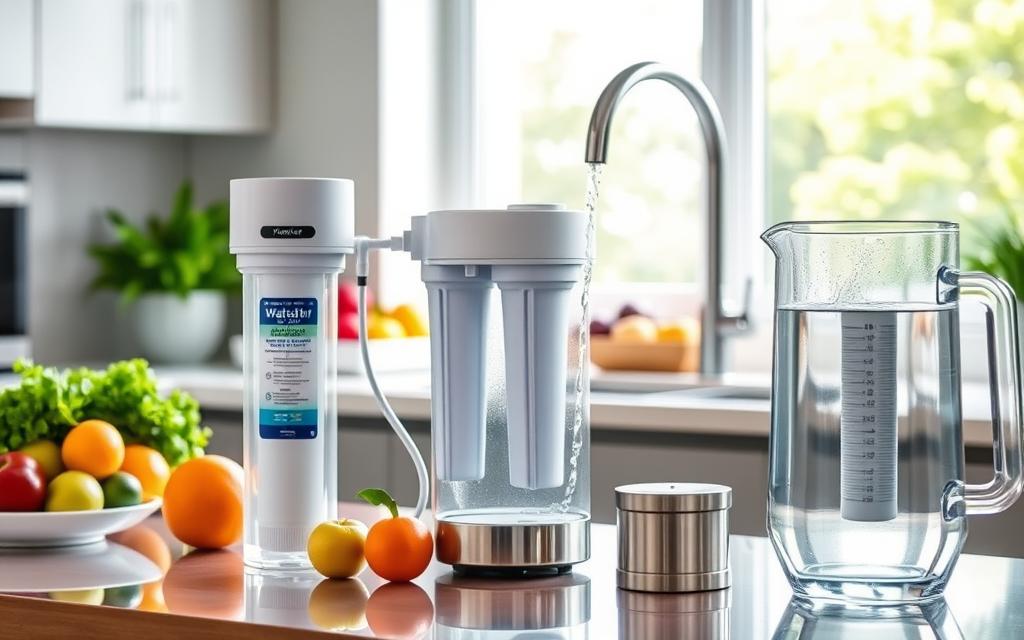 Best Home Water Filtration Methods - Complete Guide
But the water? Crystal clear, with zero funky aftertaste. It’s like having a mountain spring under your sink—without the hike. Best for: families, paranoid cooks, or anyone who’s obsessed with their espresso tasting perfect.
4. Whole-House Filters (The Overachiever)
This is the big dog: a system installed at your main water line, filtering every drop that enters your home—showers, laundry, garden hose included. Think Aquasana Rhino or SpringWell systems. They’re expensive ($500–$2,000) and require ongoing maintenance.
But the payoff? No more hard water scaling on your kettle, softer skin after showers, and peace of mind that every tap is clean. It’s serious overkill for a studio apartment, but if you own a house with well water or old pipes, it’s a game-changer.
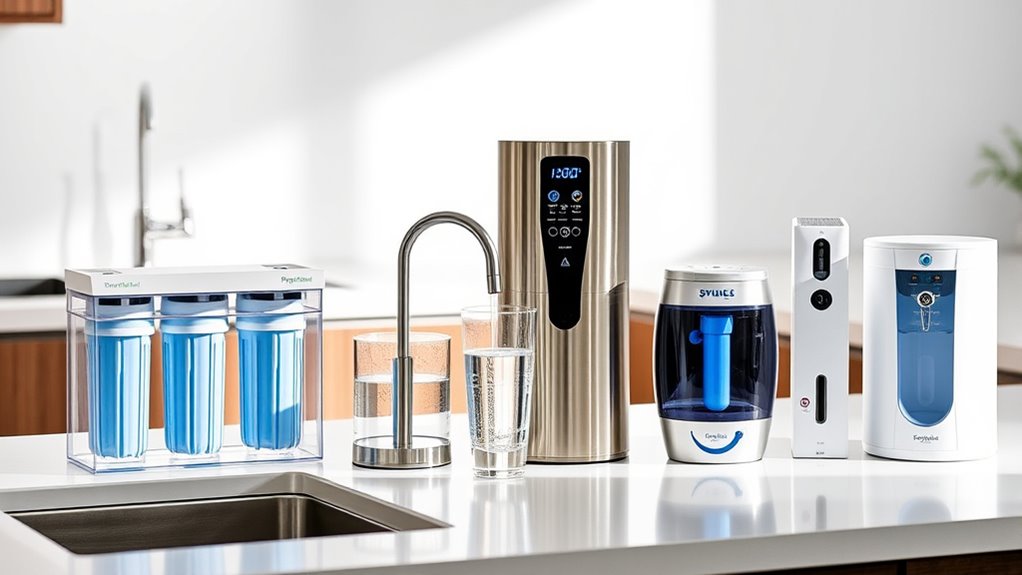 15 Best Water Filtration Systems for Your Home in 2025: Clean Water
The Insider’s Secret: Activated Carbon Is the Real MVP
Here’s something most salespeople won’t tell you: almost every filter works because of activated carbon. It’s like a sponge that grabs chlorine, bad odors, and large particles. Whether you pick a $30 pitcher or a $300 countertop filter, check that carbon block or granular carbon is present.
If you want to remove lead, fluoride, or bacteria, you’ll need a reverse osmosis stage or ion exchange. Otherwise, you’re basically paying for fancy-looking plastic. (Ouch, but true.)
The Verdict: What Should You Buy?
Quick decision tree: If you’re on a budget and only care about taste? Pitcher filter—done. If you want speed and moderate purification? Faucet mount. If you’re a health nut who thinks tap water is a government experiment? Under-sink RO system—no regrets.
 10 Best Water Purifier System for Home, Tested by Experts
And if you’re the type of person who demands perfection in every shower and coffee cup? Whole-house filter, my friend. You’ve earned it.
A Final, Slightly Ironic Note
Remember: even the best filter won’t make you immortal. I once spent $400 on a system only to realize I was still drinking too much Diet Coke. (The irony is not lost on me.)
So, filter your water, but don’t let it consume you. Drink clean water, enjoy the taste, and maybe—just maybe—your inner conspiracy theorist can finally retire. Unless you live in Flint. Then, please, get a good filter. And a lawyer.
