Best Water Filter For Chlorine

So, you’re on a quest for the best water filter for chlorine. Honestly, you’re not alone. There’s something about that pool-like aroma from the tap that just screams “chemical...

So, you’re on a quest for the best water filter for chlorine. Honestly, you’re not alone. There’s something about that pool-like aroma from the tap that just screams “chemical cocktail,” right?
Before we dive into the filters, let’s appreciate what we’re up against. Chlorine is a lifesaver—it kills bacteria—but it also kills the vibe of a crisp glass of water. It’s like that well-meaning friend who sanitizes your kitchen but leaves a weird smell behind.
Why should you care? Because unfiltered chlorine can mess with your taste buds. It also dries out your skin and hair, and nobody wants to feel like they just took a shower in a swimming pool. Fun fact: chlorine reacts with organic matter to form disinfection byproducts, which scientists are studying. So, filtering it out is both a taste and a health win.
Must Read
The Simple Kings: Activated Carbon Filters
Let’s start with the heavy hitters: activated carbon filters. These little guys are like magnetic sponges for chlorine. They grab the molecule and hold it tight, so it never reaches your glass.
Think of carbon as a super-porous black rock. That’s not a boring science fact—it’s a secret weapon for your water. When water flows through, chlorine gets trapped in all those tiny caves and crevices. The result? Water that tastes clean, not like a chemistry set.
You’ll find carbon in jug filters, faucet attachments, and even under-sink systems. The pitcher filter from brands like Brita or Pur is the chillest option. Pop it in your fridge, wait a few minutes, and bam—chill, chlorine-free water. It’s like a self-care ritual for your hydration.
 Best Water Filter To Remove Chlorine at Michele Bodden blog
Why Not Just Boil It?
You might wonder: “Can’t I just boil my water to remove chlorine?” Sure, you can. But that’s like using a flame thrower to light a candle—it works, but it’s overkill. Boiling takes time, uses energy, and leaves your water flat. A carbon filter does it in seconds, no fuss.
Plus, boiling won’t remove chloramines, another common additive that smells like a hospital. Many carbon filters handle both. They’re the multitool of water purification.
Countertop vs. Under-Sink: The Battle
If you want to go a step beyond, look at countertop or under-sink carbon systems. Countertop ones sit on your kitchen counter like a cool gadget. They often have a metal design and a little spigot. It’s like having a tiny water barista at your side.
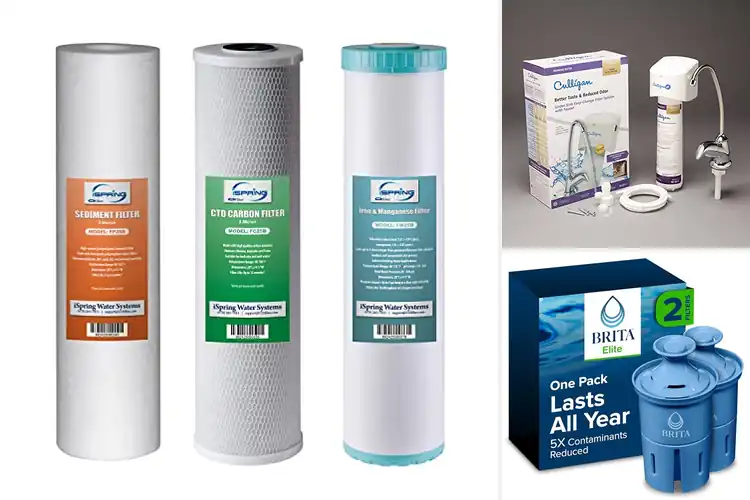 Chlorine Reduction: Fresh Tasting Water Solutions – Kitchen Converse
Under-sink filters are the ninjas—hidden away, doing their job without drama. They usually have a dedicated faucet, so you get filtered water on demand. It’s convenience at its finest, and they last longer than pitchers. Think of it as upgrading from a bicycle to an electric scooter.
Both options use granular activated carbon or carbon block. Carbon block is denser and catches more stuff, like tiny particles. Granular is faster but slightly less thorough. For chlorine alone, granular is totally fine.
The Cool Contender: Reverse Osmosis
Ever heard of reverse osmosis? It’s the superhero of filters. It pushes water through a special membrane that blocks everything, including chlorine, lead, and even some viruses. It’s like having a bouncer for your water.
But here’s the catch: reverse osmosis systems are bigger and pricier. They also waste some water during the process. If you’re just fighting chlorine, it’s like using a cannon to swat a fly—fun, but a bit extra.
 Best Filter To Remove Chlorine at Nicholas Packard blog
However, if you have well water or live in an area with other contaminants, RO is a strong choice. Just know it requires more maintenance and space. For most people, a quality carbon filter is the sweet spot.
What About a Faucet Attachment?
Faucet-mounted filters are the quick fix heroes. They screw right onto your tap and switch between filtered and unfiltered water. It’s like having a little robot that works with a twist.
These are perfect if you rent an apartment or don’t want to drill holes. They’re affordable and easy to install. Just remember to replace the cartridge every couple of months—or you’ll end up with a sad, clogged robot.
 Best Water Filters for Chlorine (See our #1 Pick to Purify Your Water)
I’ve tried a few, and the best ones have a carbon block and a long filter life. Look for labels like “NSF/ANSI 53” or “removes chlorine, taste, and odor.” That’s your green light.
The Final Sip
So, what’s the best water filter for chlorine? For most people, it’s a good old activated carbon pitcher or faucet filter. They’re affordable, easy, and they truly make water taste like water—crisp and refreshing.
If you’re a water snob, go for an under-sink carbon filter. It’s the quiet upgrade that makes your morning coffee taste better. And if you’re a tech lover, try a countertop model that looks cool on your kitchen island.
At the end of the day, filtering chlorine isn’t rocket science—it’s just a small change that makes a big difference. So, grab a filter, take a sip, and enjoy water that’s pure, simple, and free from that pool-party vibe. Cheers!
