Best Soft Water System For Home

There comes a moment in every homeowner’s life when they notice the bathtub ring. It’s that stubborn, chalky residue that makes soap scum feel like a permanent house guest. Yo...
There comes a moment in every homeowner’s life when they notice the bathtub ring. It’s that stubborn, chalky residue that makes soap scum feel like a permanent house guest. You might also see spots on your freshly washed glasses, or feel your skin tighten after a shower like you’ve been marinated in chalk dust.
This, my friend, is hard water. And it’s not just annoying; it’s actually waging a quiet war on your plumbing, your appliances, and even your morning coffee’s taste.
The good news? You don’t have to live with it. The modern solution isn’t a complicated science experiment; it’s finding the best soft water system for your home. Think of it as upgrading your lifestyle, not just your pipes.
Must Read
The Quiet Rebellion: Why You Need Soft Water
Hard water is packed with calcium and magnesium. While these minerals aren’t harmful to drink, they are terrible for your laundry, your hair, and your water heater. In fact, the U.S. Geological Survey notes that 85% of American homes have hard water.
That’s a lot of crusty showerheads. Softening your water changes everything. It’s the difference between a scratchy wool sweater and a cashmere blend.
The All-Star Lineup: Types of Water Softeners
Before you dive in, know that “soft water system” is a broad term. It’s not one-size-fits-all, like a pair of Levi’s from 1995. You need to match the system to your home’s size, your water usage, and your personal vibe.
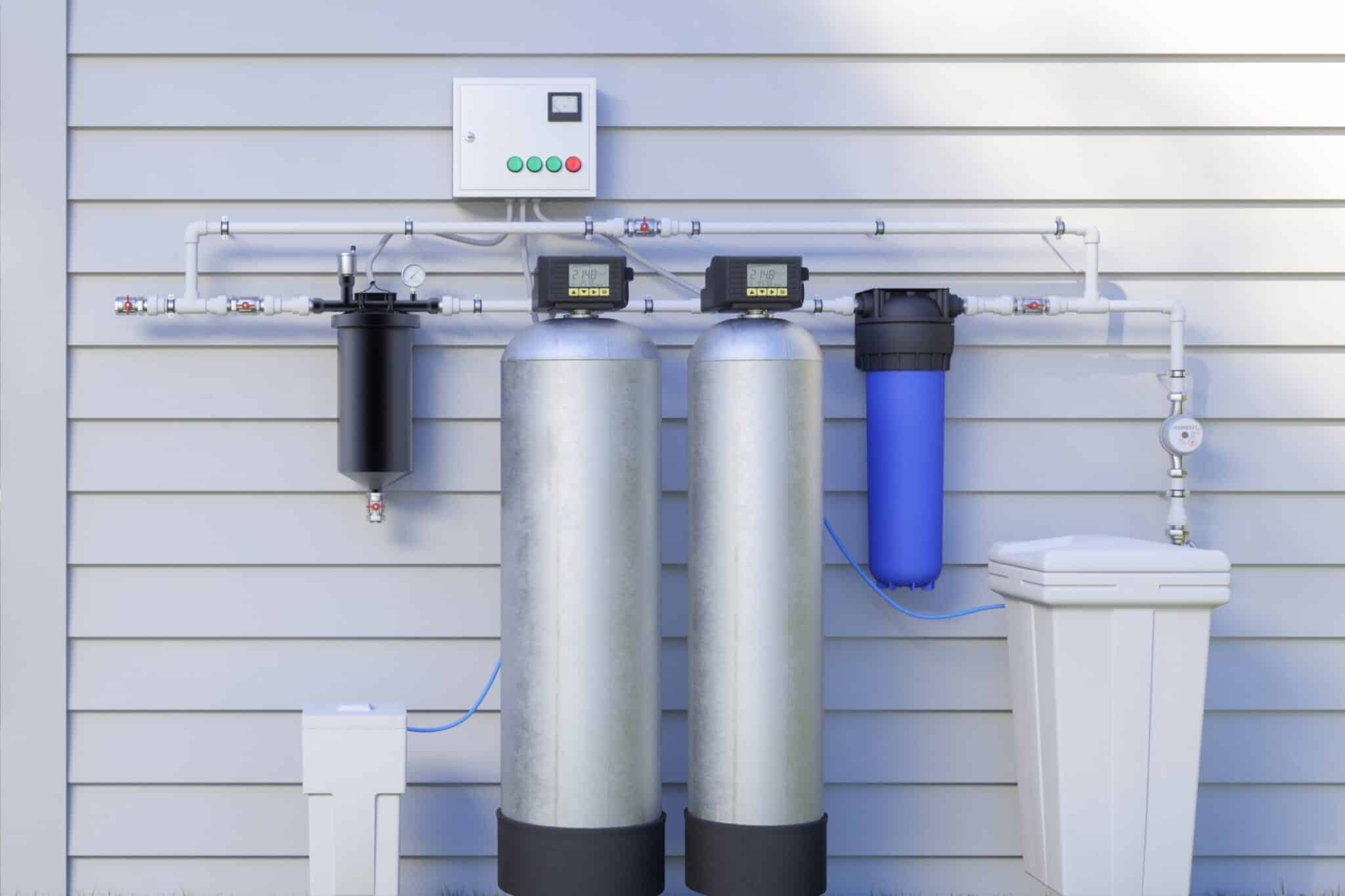 Types of Water Conditioning Systems: Choosing the Right One for Your Home
The Classic Standard: Salt-Based Ion Exchange
This is the workhorse of the water softening world. It uses resin beads and salt to swap hard minerals for sodium. It’s effective, reliable, and has been the gold standard for decades.
Think of it as the Toyota Camry of water systems: not flashy, but it will run for 200,000 miles without complaint. The downside? You have to lug 40-pound bags of salt to the basement, which is your monthly cardio. Fun fact: The process was actually perfected in the 1930s, so Grandmillennials, this is your nostalgia moment.
The Low-Sodium Hero: Salt-Free Water Conditioners
Don’t be fooled by the name—these don’t actually remove hardness, they condition it. They use a process called template-assisted crystallization (TAC) to prevent scale from sticking to pipes. It’s like giving your water a tiny raincoat.
This option is fantastic for those who avoid sodium for health reasons, or for eco-conscious souls who dislike waste brine. It’s also low-maintenance, with no salt to refill. However, it’s not as effective on extremely hard water (over 15 grains per gallon). Consider it the Prius: eco-friendly but not a heavy hauler.
 Choosing the Right Water Softener System for Your Home
The Tech-Forward Pick: Dual-Tank Systems
For large households (four or more people), a single-tank system can run out of soft water during a long shower marathon. Enter the dual-tank system. One tank softens while the other regenerates, so you never run out of soft water.
This is the luxury SUV of water treatment. It costs more, but it provides constant, uninterrupted flow. It’s perfect for the family that schedules four showers, two dishwasher loads, and a laundry cycle before 9 AM. Cultural reference alert: This is the water equivalent of a VIP backstage pass—you never wait in line.
Practical Tips for Choosing Your System
Don’t just buy the first shinny box you see on Amazon. You need to do a little homework. Start by testing your water hardness. You can buy a simple test strip or call your local water utility; they often share annual reports.
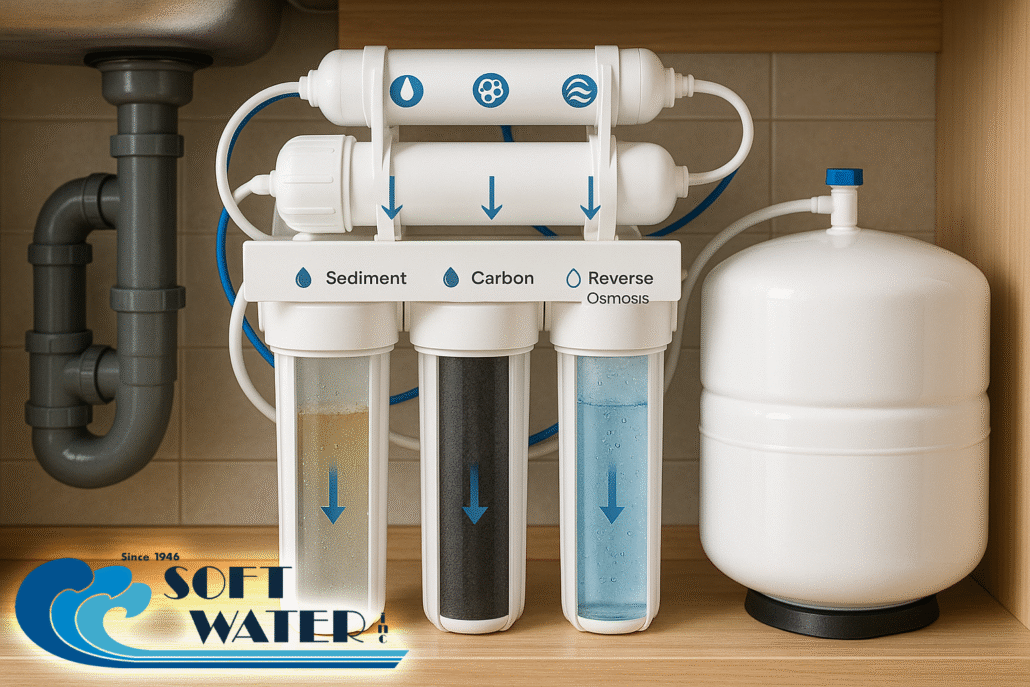 Home Water Filtration • Soft Water, Inc. serving Milwaukee, Waukesha
You want a system that fits your grain capacity. A family of four with moderately hard water (10 grains per gallon) needs a system around 40,000 grains. Oversizing actually wastes salt and water, so don’t go too big.
Also, think about space. A typical softener is about the size of a mini-fridge. If your laundry room is cramped (hello, 1920s bungalows), look for a compact model or an all-in-one cabinet unit that looks less like a sci-fi prop and more like an appliance.
The Installation Reality
Here’s a fun little fact: installing a water softener is not a beginner DIY project unless you’re handy with copper pipe and a blowtorch. Most people hire a plumber, which costs between $200 and $500 for labor.
If you’re renting, check with your landlord—many are happy to let you install one if it protects their water heater. You can also buy portable units that hook directly to a faucet. They’re small, but they work wonders for a single sink or a countertop espresso machine.
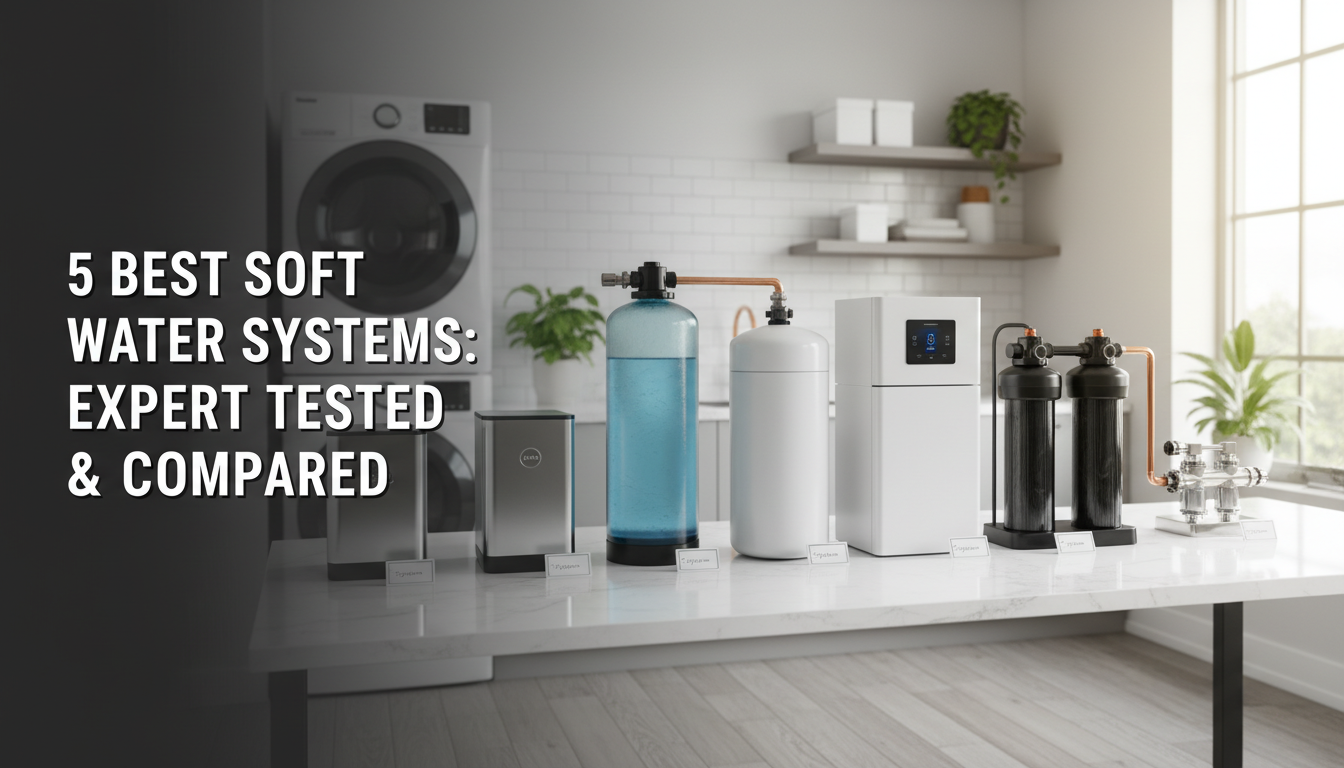 5 Best Soft Water Systems In 2026: Expert Tested & Compared
The Feel-Good Payoff
Once the system is running, the changes are immediate. Your skin will feel slippery—not oily, just clean, like you’ve been rinsed in spring water. Your hair will stop feeling like straw. Cultural reference: It’s like the difference between a Motel 6 shower and a five-star Japanese onsen.
Your appliances will last longer, too. The Department of Energy estimates that soft water can increase the lifespan of a water heater by up to 15 years. That’s real savings, not just internet hype.
The Final Reflection
Choosing a soft water system isn’t really about pipes or minerals. It’s about the small rituals of daily life. It’s the quiet pleasure of a hot shower where the water feels like silk. It’s watching your crystal wine glasses dry without spots. It’s the feeling that your home is working with you, not against you.
In a world that feels hard, your water doesn’t have to be. So go ahead, get the system. Your future self, wrapped in a fluffy towel with perfect hair, will thank you.
