Is Reverse Osmosis Water Good For Health

So, my buddy Dave—a guy who owns a water filter that looks like a prop from a sci-fi movie—recently poured me a glass of what he called “the purest water on Earth.” He stood t...
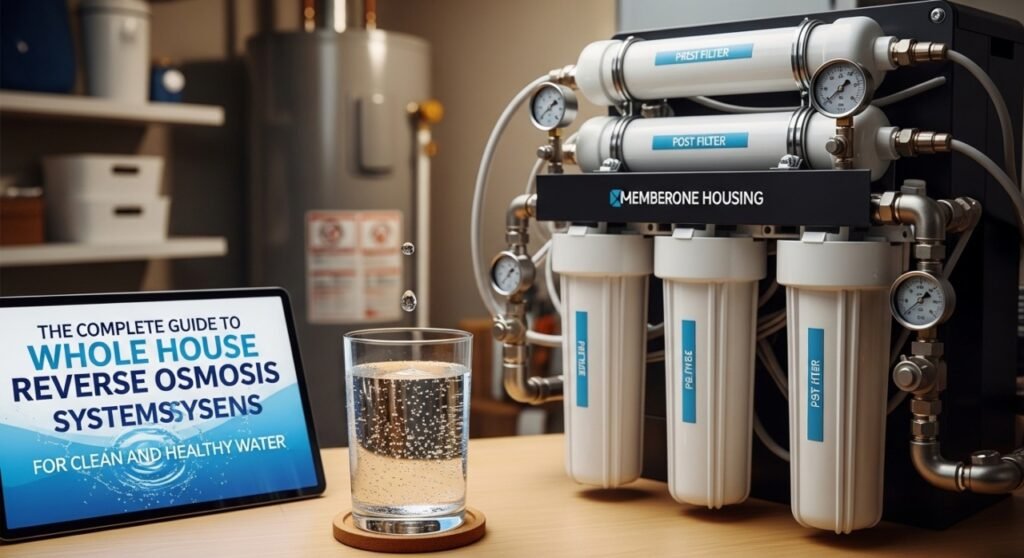
So, my buddy Dave—a guy who owns a water filter that looks like a prop from a sci-fi movie—recently poured me a glass of what he called “the purest water on Earth.” He stood there, arms crossed, looking smug while I sipped it. Honestly? It tasted like nothing. Literally nothing. And that got me thinking: is reverse osmosis water actually good for you, or are we just drinking fancy air?
Let me break this down before you go dropping a mortgage payment on a filtration system. Reverse osmosis (RO) pushes water through a semi-permeable membrane, squeezing out everything—and I mean everything—including minerals, pesticides, and even fluoride. Sounds amazing, right? Well, pure water is a bit of a double-edged sword.
The Good: What RO Does Right
First, the upsides. RO water is a champion at stripping out contaminants like lead, chlorine, and industrial runoff. If you live in a city where the tap smells like a swimming pool, this is your knight in shining armor.
Must Read
Think about it: your tap water might carry residues from old pipes or agricultural pesticides. RO gives you a blank slate. For people with compromised immune systems or those fighting chronic illness, this can be a literal lifesaver.
Plus, the taste? Let’s be real—if “neutral” is your vibe, RO wins. No metallic aftertaste, no weird “mineral” funk. It’s the water you’d serve to a supermodel who only drinks coconut milk.
But Hold On: The Plot Thickens
Here’s where Dave’s sterile water starts to look a little sus. RO water is so pure that it’s basically a sponge—it pulls minerals out of your body when you drink it. Yep, it can leach electrolytes like magnesium and calcium from your tissues.
Think of it like this: you’re drinking a liquid that’s desperate to balance itself. Once it hits your stomach, it grabs onto whatever minerals are nearby and flushes them right out. Over time, that could mess with your bone density, heart rhythm, and even your hydration levels.
And don’t even get me started on fluoride. Yes, the government puts it in water to prevent cavities. But RO strips it out completely. So if you’re relying on your tap for dental health… well, better start carrying a fluoride mouthwash in your pocket.
The Ironic Twist: Too Clean Can Be Dirty
Here’s the kicker: ultra-pure water can actually make you feel worse. Some people report headaches, fatigue, or even constipation after switching to RO exclusively. That’s because your gut bacteria—your little microbial buddies—thrive on a bit of mineral diversity.
Remember that scene in The Simpsons where Homer drinks a “pure” water that removes all his memories? Yeah, not that dramatic. But it’s close: your body doesn’t want a blank slate. It wants complexity.
And here’s the part that makes me giggle: some RO systems actually waste more water than they produce. For every gallon of purified water, you might dump three to four gallons down the drain. So much for saving the planet, Dave.
 Is Reverse Osmosis Water Good for You? RO Water Benefits - Basidewt
What The Science Says (And What It Doesn’t)
The World Health Organization has actually warned against drinking de-mineralized water long-term. They note that water with low total dissolved solids (TDS) can disrupt your electrolyte balance and even increase your risk of certain cancers. Scary, right?
But let’s not panic. Many RO systems now come with a remineralization filter that adds back crucial minerals like calcium and magnesium. If you buy one of those, you’re basically drinking fancy spring water without the pesticides.
The problem is that most people—like Dave—don’t bother with that extra step. They just want “pure” and assume their body will figure it out. Spoiler: your body is not a magical mineral bank.
So, Should You Drink RO Water?
Here’s my honest take: if your tap water is genuinely unsafe—like you live next to a Superfund site or your pipes are made of lead—then yes, use RO. But don’t make it your only source of hydration.
Mix it up. Drink some mineral-rich spring water. Eat a banana. Take a magnesium supplement. Basically, don’t let your water become a nutrient vacuum.
And if you’re like Dave and want to feel fancy? Add a pinch of sea salt to your RO water. It enhances taste and gives your body back a little of what it lost. Yes, I’m serious—it’s the “artisanal” hack no one talks about.
The Bottom Line (Because You’re Busy)
Reverse osmosis water is not bad for you in moderate amounts. But if you’re drinking it exclusively and ignoring mineral balance, you might be doing more harm than good. Your body craves nuance, not a science experiment.
So next time Dave offers you a glass of his “purest water ever,” smile, take a sip, and then casually ask him if he’s got any electrolyte powder lying around. Watch his face. Then wink.
Stay hydrated—and weird—my friends.
