Should I Use Distilled Water For Formula

So there I was, at 3 AM, bleary-eyed and clutching a screaming baby who was clearly not impressed with my parenting skills. I had the formula, the bottle, and the tap water—bu...
So there I was, at 3 AM, bleary-eyed and clutching a screaming baby who was clearly not impressed with my parenting skills. I had the formula, the bottle, and the tap water—but then a tiny voice in my head whispered “distilled water”. I froze. Was I about to poison my child with tap water? Or was distilled water some kind of sterile baby-god liquid I was supposed to use?
If you’ve ever stood in the baby aisle staring at jugs of water like they held the secrets to the universe, you are not alone. This is the great formula-water debate, and it’s more confusing than assembling a crib at midnight (trust me, I’ve done both). Let’s cut through the noise, with a side of irony and a splash of real talk.
Tap Water: The Unsung Hero (or Villain?)
First, let’s talk about the stuff that comes out of your faucet. Tap water is safe for most healthy adults, but for babies under six months, it’s a different story. Their kidneys are tiny drama queens—they can’t handle too many minerals, and fluoride can be a real party pooper in large amounts.
Must Read
If you live in an area with old pipes or well water, you might be introducing lead, nitrates, or bacteria into that precious bottle. And no, boiling tap water does not remove heavy metals or chemicals—it only kills germs. So unless you’re distilling it yourself (which is a whole science experiment), tap water is a gamble.
But hey, don’t panic: many parents use tap water just fine after boiling and cooling it. The key is knowing your local water quality. If your water smells like a swimming pool or tastes like a rusty nail, maybe skip it for baby’s sake.
Distilled Water: The Overachiever
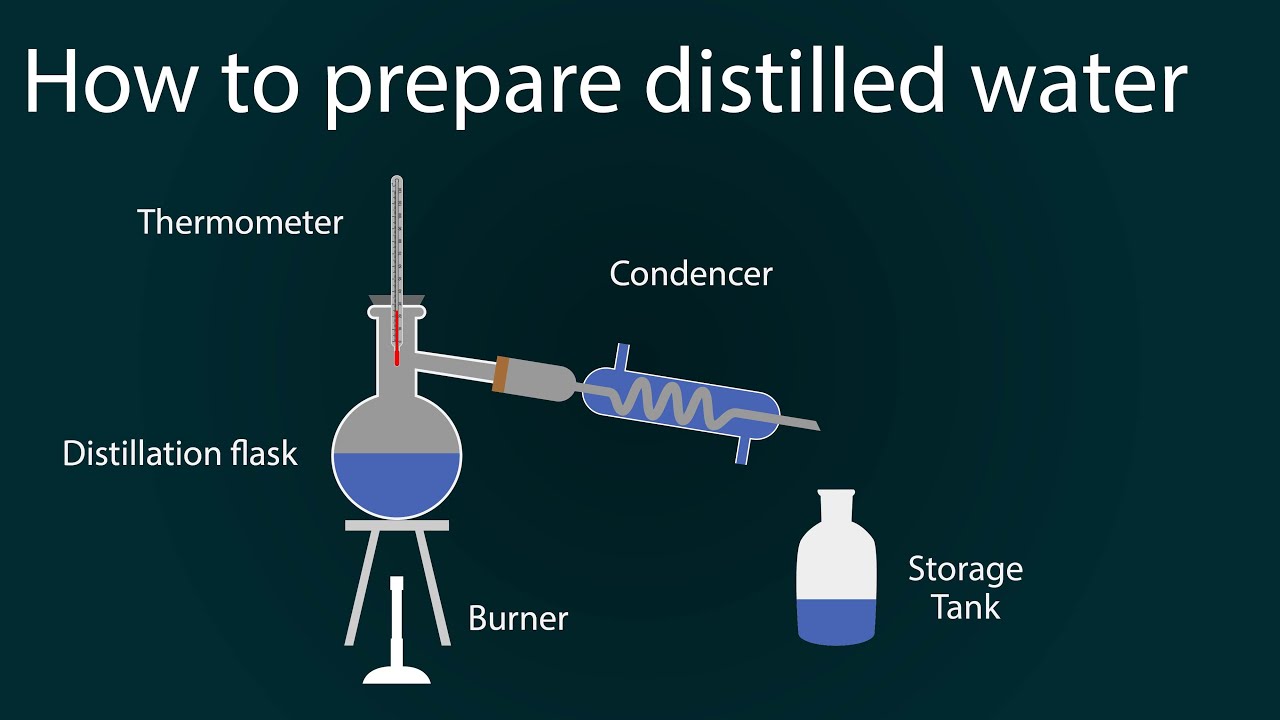
Distilled water is essentially the clean freak of the water world. It’s boiled into steam and then condensed back into liquid, leaving behind all minerals, chemicals, and impurities. Sounds perfect, right? Well, hold your horses.
The irony is that distilled water is too pure. It lacks the natural minerals—like calcium, magnesium, and fluoride—that babies actually need for development. If you use only distilled water for formula, you’re basically giving your baby a nutrient-free drink that might leach minerals from their body over time. Yes, it can mess with their electrolyte balance.
So is it dangerous? Not in the short term, but using it exclusively is like feeding your kid a diet of white bread and air. Not ideal.
What About Bottled Water? (The Middle Child)
Many parents grab “nursery water” or “baby water” from the store, thinking it’s the magic potion. Read the label: most of it is just distilled or purified water with added fluoride. That extra fluoride is actually fine for babies over six months, but for newborns, it’s a no-no (can cause fluorosis, aka white spots on teeth).
 Baby Water: The Complete, Science-Backed Guide for Parents – Frizzlife
If you’re going the bottled route, look for low-fluoride or “purified” water that’s labeled safe for infant formula. And remember, some brands are just fancy tap water in a plastic bottle—marketing genius, right?
The Real Answer: It Depends (Sorry)
I wish I could give you a simple yes or no, but parenting is a cruel joke played by the universe. The American Academy of Pediatrics says tap water is fine if boiled and cooled, unless you have specific contamination issues. But if you’re paranoid (welcome to the club), distilled water is a safe temporary option—just switch to tap or a mineral-rich water once your baby starts solids.
And here’s the kicker: don’t use distilled water to make concentrated formula unless the formula instructions say so. Some brands are designed to work with tap water’s mineral content to mix properly. Using distilled water might make the formula too dilute or too concentrated—another headache you don’t need at 3 AM.
My Practical (and Slightly Ironic) Advice
For 99% of parents, just boil tap water for one minute, let it cool to room temperature (test on your wrist!), and use that. It’s cheap, easy, and your baby’s kidneys will thank you. The only exception is if your tap water is known to have lead, nitrates, or high bacteria—then use distilled water temporarily, but add a pinch of mineral supplement later (talk to your pediatrician, not Dr. Google).
Also, please don’t use “alkaline water,” “spring water” with added electrolytes, or any of those fancy bougie waters. Babies don’t need trends; they need simple, safe hydration. Save the sparkling water for your wine glass (just kidding, but you deserve it).
In the end, the choice matters less than the consistency—use the same water type every time, keep bottles sterile, and laugh at the panic you felt at 3 AM. Because seriously, your baby will be fine whether or not you use distilled water. They’ll just let you know if they’re not with a lot of screaming and poop explosions.
Now go night-night. You’ve got this.
