Using Vinegar To Clean Hard Water Stains

Let’s be honest: hard water stains are the uninvited house guests that never leave. They show up on your faucets, your shower doors, and even your favorite coffee mug, leaving...
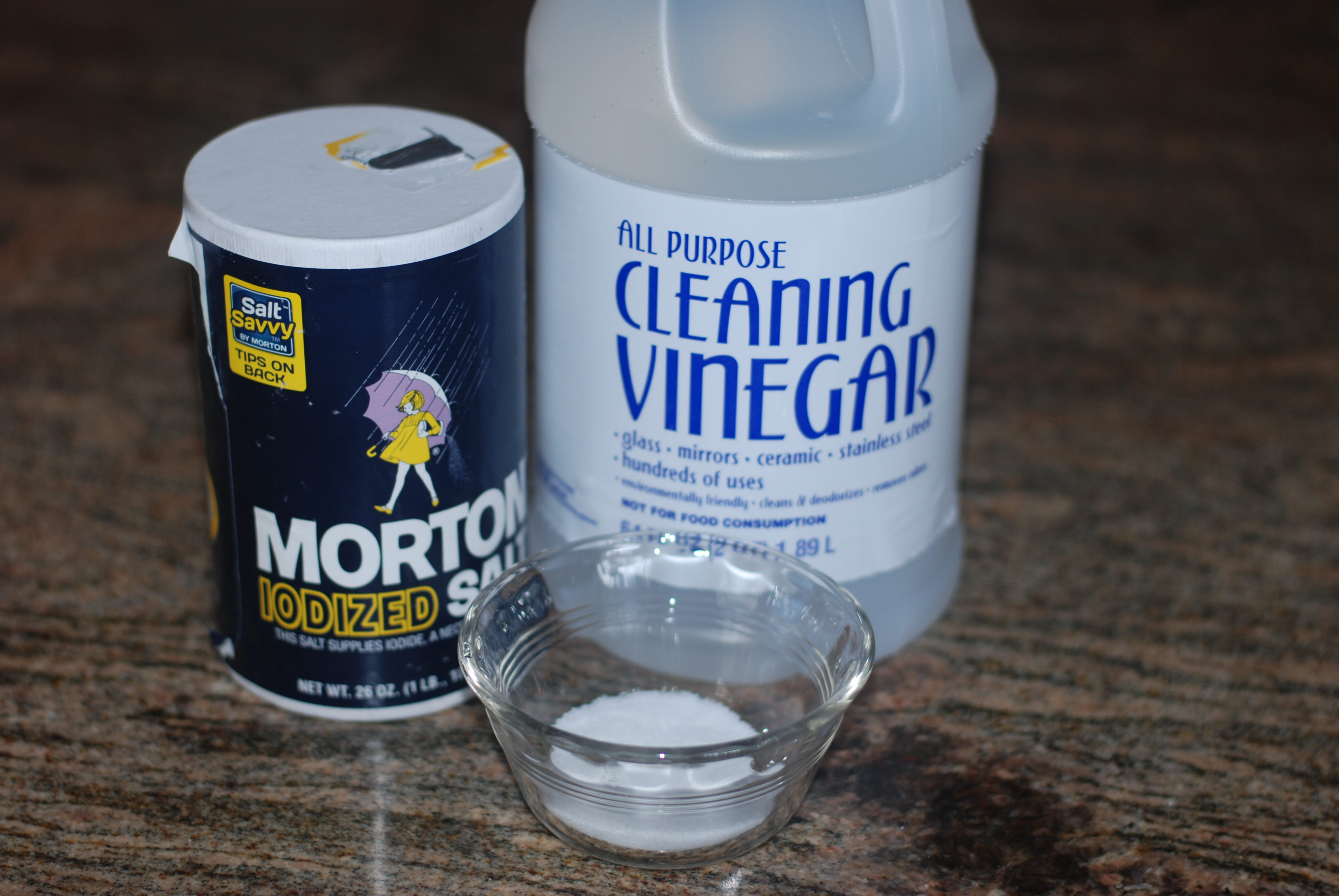
Let’s be honest: hard water stains are the uninvited house guests that never leave. They show up on your faucets, your shower doors, and even your favorite coffee mug, leaving behind a chalky, white film that looks like a ghost sneezed on everything. You scrub, you spray, you curse—and still, that stubborn mineral buildup laughs in your face.
But here’s the plot twist: the hero you need is sitting in your pantry, next to the olive oil, and it costs about the same as a sad cup of gas station coffee. I’m talking about vinegar. That sour, salad-dressing staple is actually a chemical warfare specialist against limescale and calcium deposits.
Why Vinegar is the Boss of Hard Water
Hard water stains are basically rock formations created by calcium and magnesium. They’re the geological equivalent of that one friend who never pays for pizza. Vinegar, being an acid (typically 5% acetic acid), reacts with those alkaline minerals and literally dissolves them into a liquid mess.
Must Read
Think of it as a tiny, edible demolition crew. It doesn’t scrub—it chemically vaporizes the stains. One study from the University of Plymouth even found that vinegar can remove up to 99% of bacteria, surface mold, and mineral deposits. It’s basically a superhero that also tastes good on fries.
Fun fact: the ancient Romans used vinegar as a cleaning agent. They also used it to flavor their food and, weirdly, to treat battle wounds. So you’re not just cleaning—you’re participating in a 2,000-year-old traditio of acidic genius.
The Classic Attack Plan: Showerheads and Faucets
If your showerhead is spraying water like a confused octopus, it’s time for an intervention. Take a zip-lock bag, fill it with undiluted white vinegar, and fasten it over the showerhead with a rubber band. Let it soak for at least an hour—overnight if you want to be extra petty.
When you remove the bag, the water pressure will probably scare you. Seriously. You might need to brace yourself. One woman told me she nearly blasted a hole through her bathroom wall after a vinegar soak. That’s power, baby.
For faucets, soak a paper towel in vinegar and wrap it around the spout like a cheap bandage. Let it sit for 30 minutes, then wipe. The stains will peel off like a bad sunburn—satisfying and slightly gross.
Glass Showers: The Ultimate Boss Battle
Glass shower doors are the wrestling ring of hard water stains. They get so cloudy you can’t tell if the person inside is showering or summoning a demon. Here’s the trick: mix equal parts vinegar and distilled water in a spray bottle. Spritz it on the glass, let it sit for ten minutes, then scrub with a non-abrasive sponge.
But here’s the surprising fact: never use straight vinegar on marble or granite. That’s like using a flamethrower to light a candle—it will etch and ruin the stone. Save the strong stuff for metal and glass, and treat stone surfaces with a gentle, pH-neutral cleaner.
Also, vinegar is surprisingly good at removing rust stains from toilet bowls and sinks. Pour a cup into the bowl, let it sit for an hour, then scrub. The smell will be aggressive—like a pickle that’s been lifting weights—but the results will make you giggle.
 How Does Vinegar Remove Hard Water Stains From Glass – TSUKL
Don’t Be That Person: Vinegar Etiquette
Warning: vinegar smells like a college dorm room after taco night. Open a window, light a candle, or apply a few drops of essential oil to the vinegar (lemon or lavender work great). Otherwise, your bathroom will smell like a deli counter for two days.
Also, never, ever mix vinegar with bleach. That combination produces toxic chlorine gas, which will turn your cleaning session into a medical emergency. You want to clean stains, not your lungs out.
If you have pets, be aware that the strong smell might make your cat give you a judgmental squint. My own dog once refused to enter the bathroom for three hours after a vinegar marathon. She’s fine now, but she still side-eyes the spray bottle.
The Whole House Vinegar Strategy
You can also use vinegar to clean coffee makers (run a cycle with equal parts vinegar and water, then two cycles with plain water). It will de-scale your machine and make your morning brew taste like it should. No more bitter, gritty coffee that tastes like regret.
Dishwashers love a vinegar rinse too. Pour a cup into the bottom and run a hot cycle—caked-on water spots on your wine glasses will vanish. You’ll feel like a fancy person who doesn’t live in a rental with ancient pipes.
And here’s a weird one: vinegar can actually polish stainless steel. Dampen a cloth with vinegar, wipe your fridge or microwave, then buff with a dry cloth. It removes fingerprints and smudges better than those overpriced sprays. You’ll save money and look like you have your life together.
The Verdict: Embrace the Sour
Hard water stains are bullies, but vinegar is the nerdy kid who secretly runs the universe. It’s cheap, non-toxic, and shockingly effective. You don’t need a cabinet full of harsh chemicals—you need one bottle of sour magic and a sense of humor.
So next time you see that white crust forming on your faucet, don’t swear. Just grab the vinegar, laugh at how simple it is, and know that for about fifty cents, you can reclaim your bathroom from the mineral apocalypse. Just hold your nose and enjoy the shiny, stain-free victory.
And seriously—open a window.
