Is Fluoride Naturally Occurring In Water

You’re standing in the grocery aisle, staring at a wall of water bottles. Spring water, purified water, alkaline water, and one that boasts “naturally occurring fluoride.” You...
You’re standing in the grocery aisle, staring at a wall of water bottles. Spring water, purified water, alkaline water, and one that boasts “naturally occurring fluoride.” You squint, feeling suspicious. Is that just fancy marketing lingo, or did Mother Nature actually put this stuff in the water without a permit?
Here’s the short, weirdly satisfying answer: Yes, fluoride is naturally occurring in water. It’s not some shadowy lab invention that snuck into your tap while you were sleeping. It’s real—like wind, or dirt, or that one neighbor who waters his lawn at 5 AM.
Rocks are the original chemists
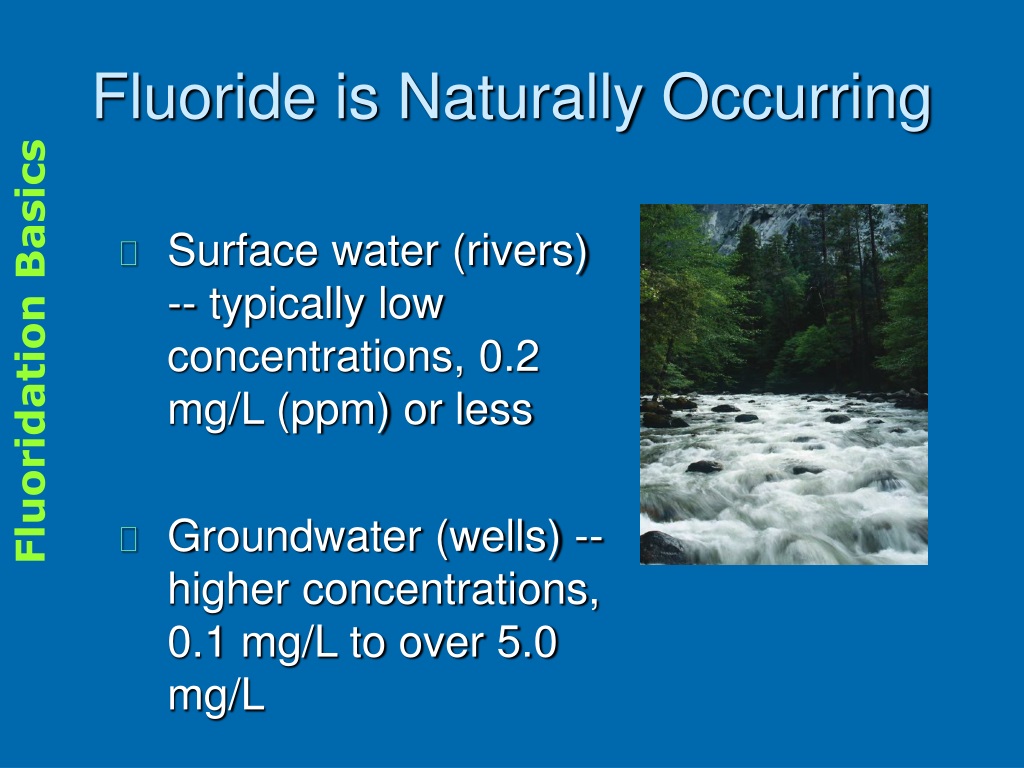
Think of fluoride as a shy mineral that lives inside rocks and soil. As rainwater trickles through the ground, it dissolves tiny bits of these rocks, picking up fluoride like you pick up sand at the beach—except it’s invisible and won’t ruin your shorts.
Must Read
So when that water eventually reaches a well or a river, it carries a natural dose of the stuff. It’s not added by a sneaky government gnome. It’s just geology being geology. Rocks love to share.
The whole “optional fluoride” mix-up
Now, here’s where it gets funny: we also purposely add fluoride to many public water supplies. That’s called community water fluoridation. It’s a public health move to fight cavities, kind of like putting sunscreen on a screaming toddler.
But the naturally occurring fluoride? It’s already there, like a surprise guest at a party. Some places have so much naturally occurring fluoride their water is practically a dental superhero. Other places have almost none—just sad, cavity-prone water that cries for fluoridated toothpaste.
I remember visiting a friend in West Texas. He filled up a glass from the tap, took a sip, and said, “Watch out—this water’s got teeth.” He wasn’t wrong. The groundwater there is naturally high in fluoride, and locals have breathtakingly strong chompers.
Why does this matter at 2 PM on a Tuesday?
You’re probably not losing sleep over trace minerals. But next time you see a bottle labeled “naturally occurring fluoride,” you can nod like a wise old turtle. It’s not a lie. It’s just a fancy way of saying, “We didn’t drop this in—the planet did it.”
The confusion happens because we hear “fluoride” and immediately picture a chemistry lab with bubbling green liquids. But fluoride is just a fancy name for the fluorine ion. And fluorine is literally in the Earth’s crust. It’s as natural as a mud puddle.
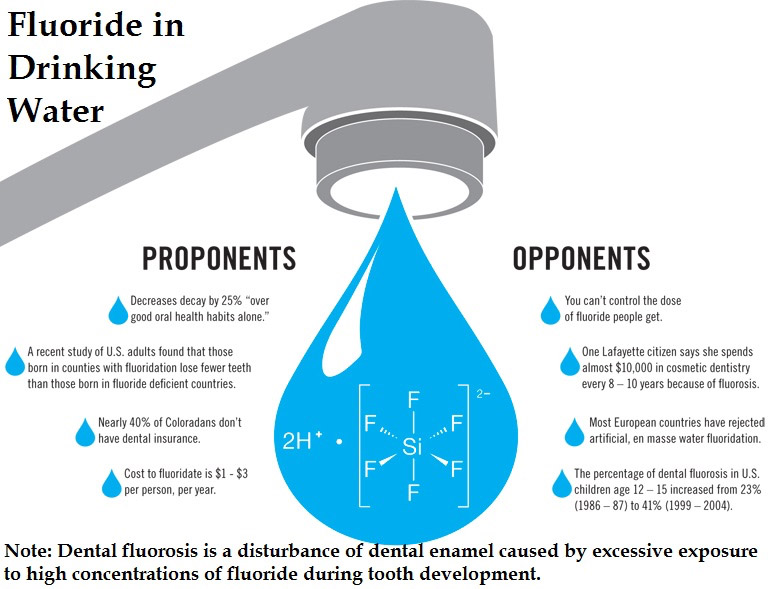 Water Fluoridation by Nima Alipour D.O. - Marque Urgent Care
The real punchline
Here’s a fun fact that sounds made up but isn’t: tea leaves are natural fluoride sponges. If you drink black tea every day, you’re getting a tiny fluoride boost. That’s right—your afternoon cuppa is secretly remineralizing your enamel.
Meanwhile, bottled water companies sometimes brag about “naturally occurring” fluoride, and it’s basically true—but it’s usually a super tiny amount, like the cracker crumbs at the bottom of a bag. It’s nothing to write your dentist about.
So the next time someone at a dinner party insists, “Fluoride is unnatural!”, you can gently take a sip of your tap water, and say, “Actually, rocks sneeze it out. Want a glass?”
A small nod to reality
Of course, too much naturally occurring fluoride is a thing. In some parts of the world, groundwater has so much it can stain teeth (that’s called fluorosis—fancy word for white spots). But for most of us, it’s a harmless, helpful hitchhiker.
Bottom line: fluoride is a natural part of the planet’s plumbing. It’s been floating around in streams and wells for millions of years, long before we had toothbrushes or conspiracy theories. It’s just there, doing its quiet mineral thing.
So when you twist open that tap or pour a glass from a mountain spring, remember: you’re drinking Earth’s leftover bathwater—minerals and all. And if it happens to have a little fluoride? That’s just nature saying, “You’re welcome for the strong teeth.”
Now go hydrate—your enamel will thank you.
