What Are Total Dissolved Solids In Water

Ever taken a sip of water that tasted a little... off? Like someone dropped a rock in a sock and then wrung it out into your glass? That weird mouthfeel is often the work of s...
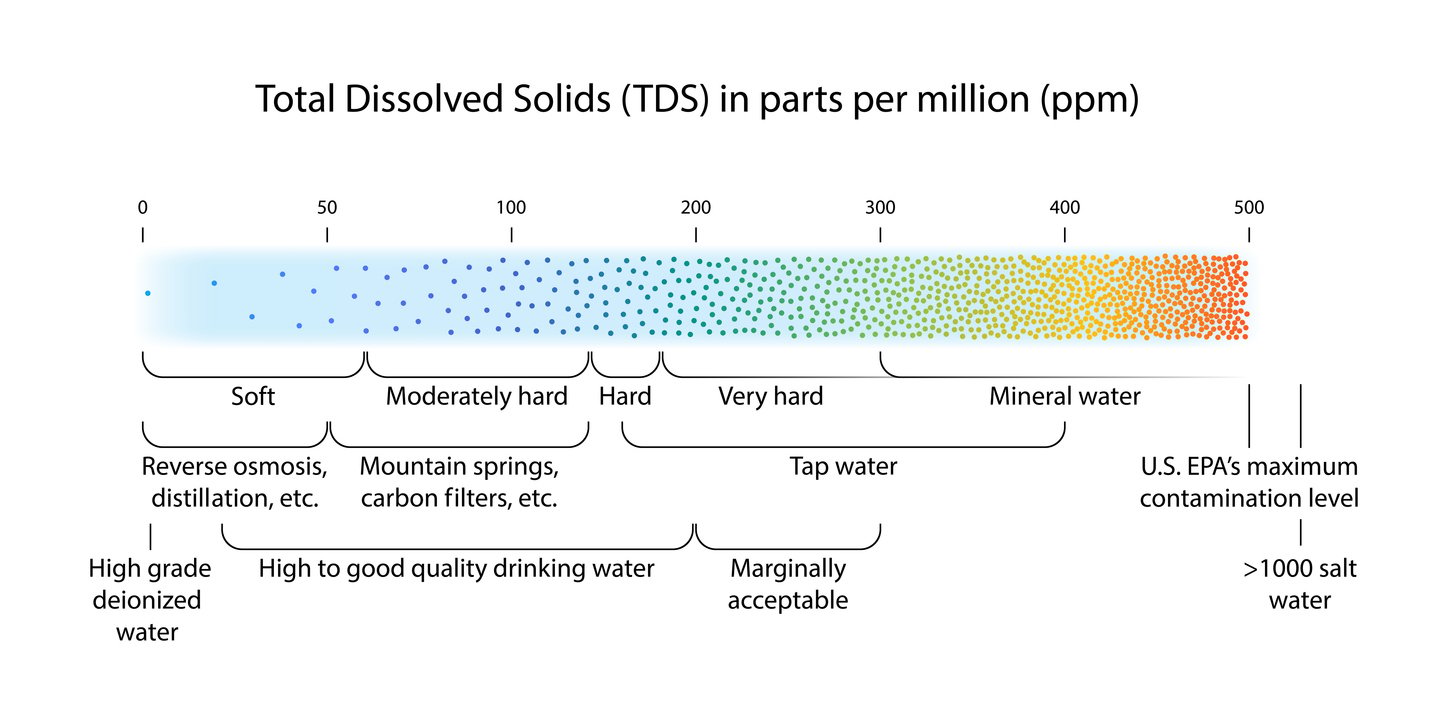
Ever taken a sip of water that tasted a little... off? Like someone dropped a rock in a sock and then wrung it out into your glass? That weird mouthfeel is often the work of something called Total Dissolved Solids—or TDS for short.
Basically, TDS is the term for all the minerals, salts, and organic stuff that’s chilling in your water. Imagine your water glass as a super tiny swimming pool. TDS is the “pool party” of calcium, magnesium, potassium, and maybe a bit of dirt. Some of these guests are great, some are just couch hogs.
Why Should You Care About Tiny Particles?
Well, you’ve tasted them before, even if you didn’t know it. Remember that one time you filled a water bottle at a friend’s house and it had a faint, almost salty, metallic tang? That’s high TDS—the water’s been “seasoned” by the earth.
Must Read
High TDS can make your water taste like a mineral spring you didn’t ask for. Low TDS, on the other hand, can make water taste “flat” or “dead.” It’s like the difference between a crisp soda and a soda that’s been open for three days.
Here’s the funny part: you’ve probably judged your tap water’s TDS without even realizing it. If your water leaves white spots on your glasses after they dry, that’s calcium and magnesium scale—the physical proof of TDS being a bit of a showoff.
The “Coffee Grouch” Anecdote
I once spent a whole week blaming my new coffee maker for ruining my morning brew. The coffee tasted bleh. It turned out my water had a TDS so high it was basically a bully to the coffee grounds. I switched to filtered water (lower TDS), and suddenly my coffee went from “meh” to “heck yes.”
That’s the thing—TDS affects everything from tea and soup to the water you use to water your houseplants. Your spider plant might just be a diva. But more likely, it’s fussing because the water has too many dissolved solids building up in its pot.
Is High TDS Bad For You?
Usually, no. Your body actually needs some of those dissolved solids. Calcium and magnesium are good for you. But “good” doesn’t always mean “tasty.” Think of it like eating spinach: great for your health, but you don’t want it in your birthday cake.
However, really high TDS can come from things like runoff or old pipes. If your water tastes like a wet penny wrapped in a dirty sock, it’s worth checking. That’s not a flavor profile; that’s a red flag.
Most of the time, though, high TDS is just annoying. It makes your shower feel like you’re rinsing off with a stubborn film. Ever step out of the shower and feel like you’re still a little sticky? That’s TDS doing a poor impression of conditioner.
 Solids in Water|| Water Quality Index || Environmental Engineering
The “Cloudy Ice Cube” Reality
You know those cloudy ice cubes from a fancy hotel? That’s trapped air, not TDS. But if you freeze water with high TDS, you’ll sometimes get white sediment at the bottom of the ice tray. It looks like snow, but it’s really just the minerals throwing a party in your freezer.
Here’s a simple test: fill a clear glass with tap water and let it sit for an hour. If you see little floaties or a film on top, that’s your water screaming, “Hey, I’ve got stuff in me!” It’s not dangerous—just honest.
How Do You Fix It?
A simple pitcher filter or a faucet attachment will lower TDS significantly. It won’t turn your water into magical unicorn rain, but it will make it taste cleaner and crisper. You’ll instantly notice your tea looks clearer and your ice cubes stay clear.
Reverse osmosis systems are the total TDS ninjas—they kick out almost all the dissolved solids. But be warned: water that’s too pure (zero TDS) can taste weirdly empty. It’s like eating a plain cracker with no salt. Your brain goes, “Where’s the... flavor?”
The sweet spot for drinking water is usually between 50 and 150 ppm (parts per million). That means it has enough minerals to taste “full” but not so many that it tastes like a puddle at a rock concert.
Final “Ah-Ha” Moment
Next time you’re at a restaurant and the water tastes different, nod knowingly. You can now whisper to your friend, “Interesting TDS profile they’ve got here.” It’s a great party trick.
In the end, Total Dissolved Solids are just the personality of your water. Sometimes it’s chill, sometimes it’s a little extra. The good news? You don’t have to drink the drama. A filter, a laugh, and a glass of balanced water—that’s the recipe for a happy sip.
