Water Filtration System Mandarin Station

You might not think about it while squeezing a lemon into your iced tea, but the water that flows through Mandarin Station comes with its own little story. For years, resident...

You might not think about it while squeezing a lemon into your iced tea, but the water that flows through Mandarin Station comes with its own little story. For years, residents and café hoppers here have been grappling with a common urban quirk—tap water that’s technically safe but tastes like a swimming pool’s distant cousin. Enter the Water Filtration System Mandarin Station, a quiet revolution that’s turning ordinary hydration into a surprisingly delightful ritual.
The Clear Difference
First, let’s address the elephant in the kitchen: that faint chlorine tang. Municipal water does its job, but it often leaves behind a chemical aftertaste that makes you question if you’re drinking water or a science experiment. The filtration system at Mandarin Station uses a multi-stage process—think of it as a spa day for your H₂O—that strips away chlorine, sediment, and those pesky heavy metals. The result? Water that’s crisp, clean, and quiet. No flavor, no fuss, just pure refreshment.
It’s not just about taste, though. Studies show that filtered water can reduce your exposure to contaminants like lead and microplastics, which is a big win for anyone who’s read one too many alarming headlines. And here’s a fun little fact: a single filtration cartridge can process up to 2,000 gallons of water before needing a swap. That’s roughly the equivalent of a small swimming pool, but way less work.
Must Read
Where Tech Meets Tea Time
Mandarin Station isn’t just a name; it’s a vibe. This neighborhood, known for its fusion of old-world charm and modern convenience, has a deep cultural connection to water-based rituals. Think of the traditional gongfu tea ceremony, where every pour and temperature matters—or the local habit of boiling water for morning barley drinks. A filtration system here isn’t a luxury; it’s a respectful nod to the fact that water is the unsung hero of every meal.
You’ll find these systems tucked into chic minimalist kitchens, but also in bustling bubble tea shops and dim sum parlors. The trick is in the installation: most units fit under the sink like a secret agent, barely making a sound while they work their magic. One local restaurant owner told me that since switching to filtered water, his jasmine tea has “a clarity that customers actually comment on.” That’s a five-star review you can’t fake.
Practical Tips for Your Own Station
Thinking of getting one? Here’s the lowdown. First, check your water pressure—most systems need at least 40 pounds per square inch to function optimally. If your apartment is older, a booster pump might be your new best friend. Second, look for a system with a carbon filter (the MVP for taste) and a sediment pre-filter (the guardian against gritty surprises). Don’t forget to swap the cartridge every six months, or your system will start to sulk—and your water might get a funny look.
Also, consider the flow rate. A standard faucet filter drips like a reluctant poet, but a modern under-sink system can pour a full glass in under three seconds. That matters when you’re rushing to make iced coffee before the morning meeting. And a tiny pro tip: use filtered water for your kettle. Hard water leaves scale that tastes like tiny rocks; soft water keeps your tea pure and your appliance happy.
A Cultural Touch of Clarity
In many Asian cultures, water is more than a thirst-quencher—it’s a symbol of balance and renewal. The Mandarin Station area, with its blend of heritage shophouses and glassy high-rises, embodies this duality perfectly. Installing a water filtration system here feels less like a gadget upgrade and more like a quiet act of self-care. It’s the equivalent of finally organizing your spice rack: a small change that makes every interaction smoother.
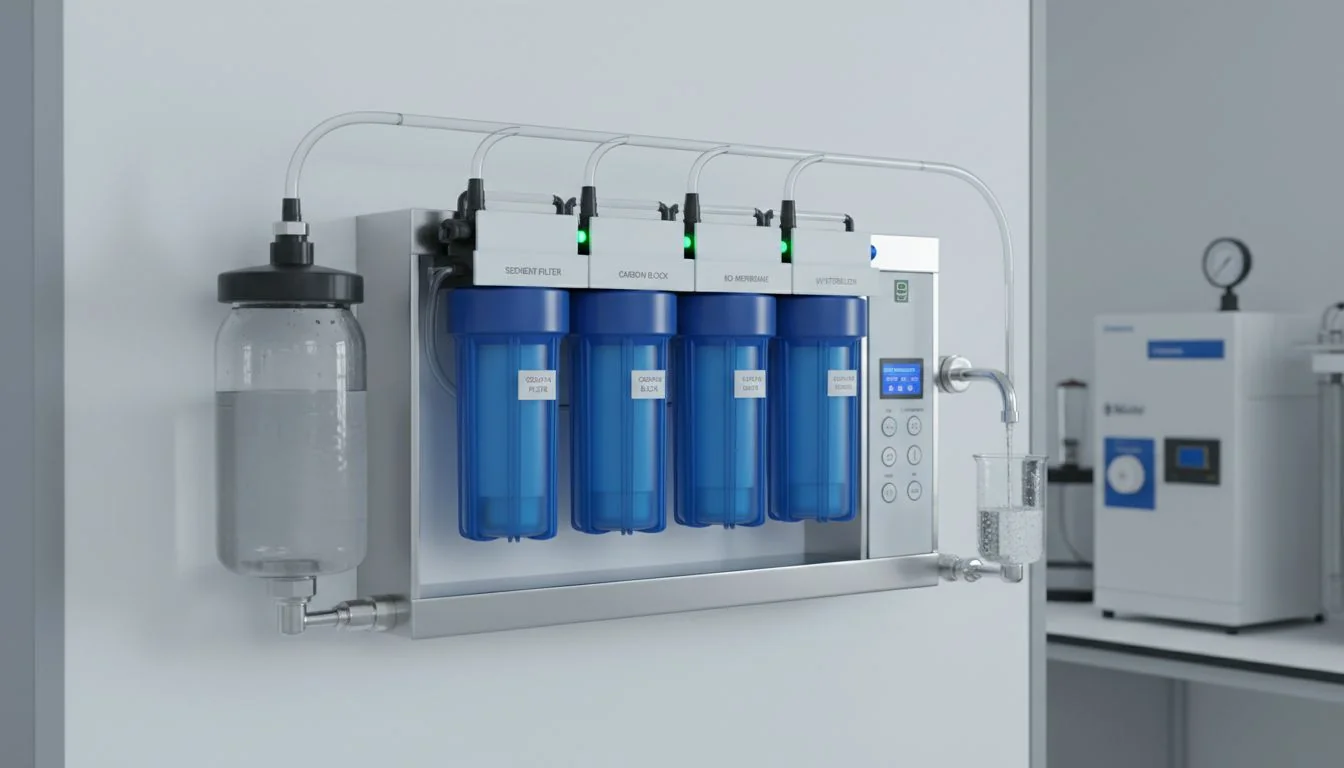 Ease Operator Burden with Modular Water Filtration
Fun fact: Did you know that the average person drinks about one liter of water per day that has been through multiple purification cycles? That includes water from rivers, treatment plants, and your tap. A home filter just adds a final, personal layer of polish—a little like adding a signature to an already written letter. It’s empowerment in a glass.
The Ripple Effect
There’s a surprising perk to filtered water that goes beyond the kitchen. When your water tastes good, you drink more of it. That means less soda, fewer sugary juices, and a natural boost to your energy. I’ve noticed that since I switched, my afternoon slump hits less like a truck and more like a gentle yawn. Plus, filtered water makes morning coffee taste almost dangerously good—which might be the best kind of problem to have.
And the environmental bonus? You’ll ditch plastic bottles. Mandarin Station’s recycling bins are already overflowing with single-use plastics; a filter keeps hundreds of those bottles out of the waste stream every year. It’s a small shift that scales quickly, like a ripple turning into a wave.
Reflections on a Simple Glass
Standing by the sink at Mandarin Station, watching the crystal-clear water pour into my favorite ceramic cup, I realize that this is the quiet luxury most of us overlook. It’s not about flashy appliances or expensive gadgets. It’s about the ritual—the pause, the pour, the first sip that feels like a deep breath for your insides. Water filtration isn’t just chemistry; it’s a gentle reminder that the most important things in life are often invisible.
So here’s to the elegance of clean water. Here’s to a system that works while you sleep, loves your tea plants, and silently makes your daily life easier. Next time you fill your glass at Mandarin Station, take a second to appreciate that quiet gurgle. It’s the sound of a small, perfect upgrade—to your health, your home, and your day.
