Lab Water System With Built-in Reservoir

Picture this: it’s 2 AM, and I’m elbow-deep in a protocol that absolutely cannot wait. The lab is dead quiet, save for the hum of the fume hoods. I go to grab my ultrapure wat...
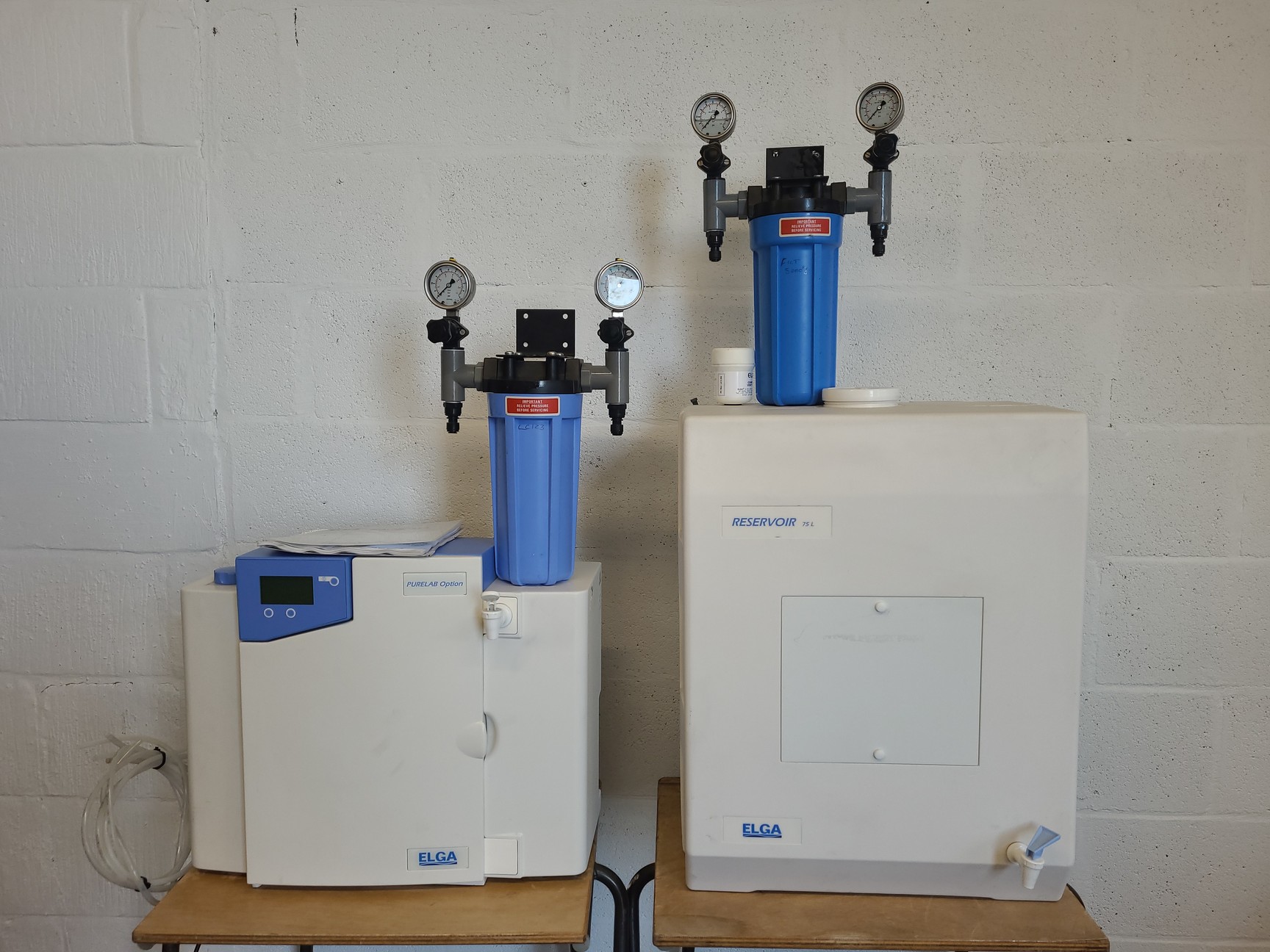
Picture this: it’s 2 AM, and I’m elbow-deep in a protocol that absolutely cannot wait. The lab is dead quiet, save for the hum of the fume hoods. I go to grab my ultrapure water—the lifeblood of any self-respecting experiment—and the dispenser just yawns at me. Empty reservoir. Again. I stood there for a solid minute, holding an empty bottle, questioning every life choice that led me to this moment. Sound familiar? (Don’t lie, I know it does.)
That’s the moment I swore off the jug-and-pour method for good. Not enough drama for you? Fine—let’s talk about lab water systems with built-in reservoirs, the silent heroes that keep your sanity (and your samples) intact. These aren’t just fancy plumbing; they’re the difference between a smooth experiment and a midnight breakdown over a thirsty pipette.
The Big Reveal: What Even Is a Built-in Reservoir?
Think of it like this: instead of a tiny, sad water tank that runs out after three beakers—you know the kind—this system has a large, integrated storage tank built right into the unit. It’s connected directly to your purification line, so it’s constantly refilling itself. No more swapping out carboys in the middle of a titration. I kid you not, it’s like upgrading from a leaky water balloon to a hydration backpack. You don’t realize you needed it until you have it.
Must Read
The real kicker? These reservoirs usually hold anywhere from 30 to 100 liters. That’s a lot of running buffer, a lot of reagents, and—let’s be real—a lot of coffee-brewing water on the side (don’t tell the PI). The system automatically purifies and stores the water, keeping it recirculating to prevent stagnation. No biofilm, no weird smells, no shame.
Why You Should Care (Even If You’re “Just a PCR Person”)
Let’s get down to brass tacks: water consistency is everything. You can have the best pipettes, the fanciest thermocycler, and a postdoc who swears by a specific brand of gloves—but if your water quality fluctuates, your data will look like a toddler drew on it. A built-in reservoir keeps the water quality rock-steady because it’s stored in a controlled environment. UV light? Check. Continuous circulation? Double check. It’s basically a spa day for your H₂O. And your experiments? They’ll thank you by not crashing on the final run.
Here’s a side comment that might sting a little: remember that time you had to stop mid-experiment to change a filter or refill a tank? Yeah, that’s time you’ll never get back. With a built-in reservoir, you’re looking at hours of uninterrupted water supply. Your flow won’t get interrupted. Your cells won’t starve. Your boss won’t glare at you from across the lab. That’s a win-win-win, my friend.
The Hidden Perk Nobody Talks About
Floor space. Oh, the glorious, elusive floor space. Traditional setups with separate storage tanks and purification units are like that roommate who leaves their shoes in the hallway—everywhere and annoying. A built-in reservoir unit is compact. It sits pretty under your bench or on a cart, making you look like a lab organization wizard. I’ve seen labs reclaim an entire shelf just by switching to one of these. That’s shelf space for snacks, obviously. Or, you know, for more pipette tips. Your call.
 Lab and MDRD Water System for a Leading Calgary Hospital | High Purity
And let’s talk about the elegance of the thing. Most modern systems have a digital display that shows you the water level, resistivity, and even a “hey, change the filter soon” alert. It’s like having a smart assistant that actually does its job. Compare that to the old “dip a finger in the tank” method of checking water levels—which, let’s be honest, we’ve all done. Don’t pretend you haven’t. I’m not here to judge; I’m here to offer a solution.
But What About the Cost? (The Elephant in the Autoclave)
Sure, these systems aren’t pocket-change purchases. A decent built-in reservoir system can set you back a few thousand dollars. But do the math: how many plastic water jugs have you sent to the landfill? How many hours have you wasted swapping carboys? How many experiments did you ruin due to inconsistent water quality? The ROI is real. Plus, many vendors offer lease-to-own options, so you can pretend you’re being fiscally responsible while secretly crying over the price tag. That’s just good lab management.
I’m not saying a built-in reservoir will solve all your problems. Your advisor will still ask for one more control experiment. Your pipettes will still mysteriously disappear. But you know what won’t be a problem? Water. Pure, consistent, abundant water. That’s a promise these systems actually keep. And in the wild world of research, that’s about as close to a guarantee as you’re going to get.
So next time you find yourself staring at an empty reservoir at 2 AM, remember: you don’t have to live like this. Embrace the built-in. Your samples, your sanity, and your sleep schedule will thank you. Now, if you’ll excuse me, I’m off to fill my actual coffee mug. (The lab water’s for experiments, people. Mostly.)
