Industrial Reverse Osmosis Manufacturers

Okay, let’s talk about something you probably never think about, but which is secretly the unsung hero of your morning coffee: industrial reverse osmosis manufacturers. These...
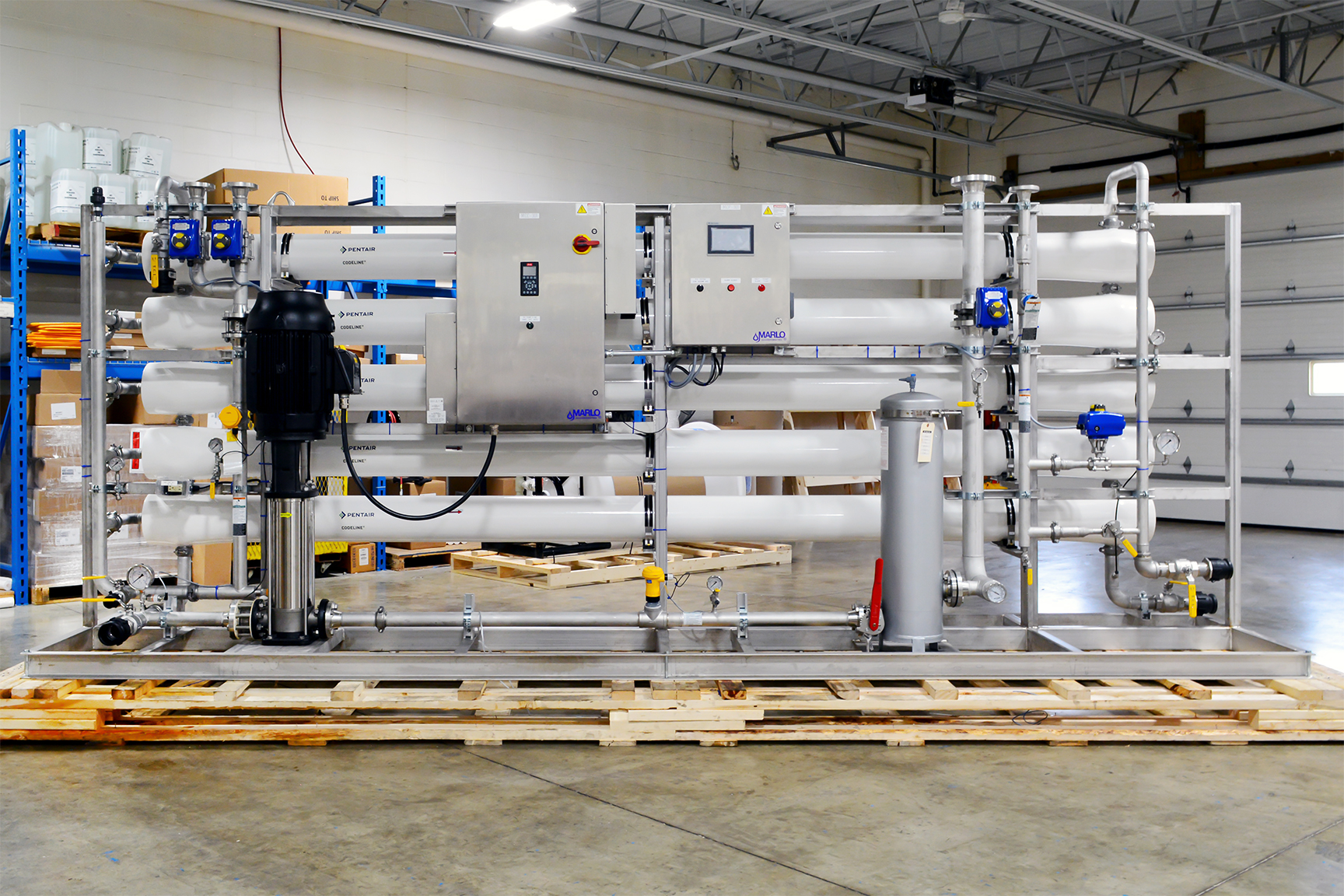
Okay, let’s talk about something you probably never think about, but which is secretly the unsung hero of your morning coffee: industrial reverse osmosis manufacturers. These are the mad scientists and steel-bending wizards who build the machines that turn swamp water into something you’d actually put in a crystal glass. It’s like alchemy, but with more high-pressure pumps and fewer pointy hats.
You see, reverse osmosis (or RO, as the cool kids in hard hats call it) isn’t just for fancy kitchen faucets. We’re talking about monster machines that process millions of gallons a day. If your kitchen filter is a goldfish, these industrial systems are a blue whale with a bad attitude toward salt and bacteria. They take water so nasty it would make a sewer rat blush and force it through a membrane so tight that only water molecules can squeeze through. Everything else—lead, arsenic, your ex’s bad vibes—gets left behind.
Who builds these hydraulic behemoths?
The manufacturers are a motley crew of engineers who probably dream about pressure gauges. They’re the people who look at a blueprint of pipes and say, “You know what this needs? More spiral-wound membrane elements.” Their factories smell faintly of ozone, PVC glue, and the quiet desperation of a deadline. These folks don’t just sell you a machine; they sell you the ability to not die of dysentery. That’s a pretty good sales pitch, honestly.
Must Read
But here’s a surprising fact: an industrial RO system uses more energy than a small spaceship. Okay, maybe not literally—but a big one can chew through 500 kilowatts an hour. That’s enough electricity to power 500 houses, or, more importantly, 500,000 hours of you scrolling TikTok in the bathtub. The pressure required to force water through that membrane is insane. We’re talking 200 to 1,000 psi. That’s the kind of pressure that would turn a garden hose into a water jet that could cut through your neighbor’s annoying wind chimes.
The dirty secret of clean water
Here’s where it gets weird: the process creates a super-concentrated brine that has to go somewhere. It’s basically liquid salt hell. If you dumped it in a lake, you’d kill everything. So manufacturers have to build clever discharge systems. Some pump it deep underground. Others evaporate it in giant ponds that look like the surface of Mars. One company in California actually uses it to make table salt. That’s right—they’re making your fries salty with the leftovers of yesterday’s toilet water. You’re welcome.
And the surprising facts? Industrial RO membranes are so thin—about as thick as a human hair—that a single invisible scratch can make the whole system fail. Installers have to handle them like they’re handling a sleeping vampire. One wrong move, and your million-dollar water plant is now making slightly wet poison. That’s why manufacturers test every membrane with a dye test that looks like a rave in a microscopic ocean.
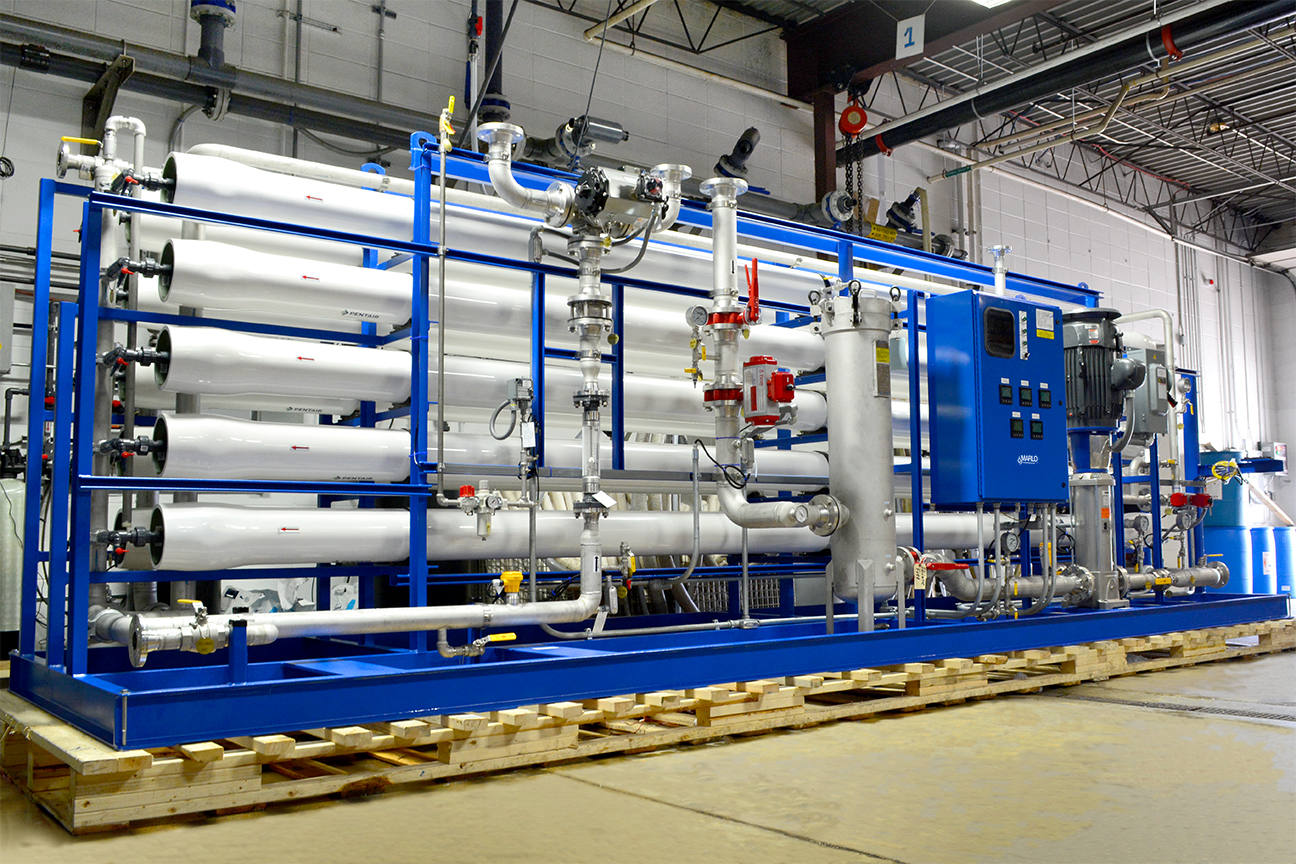 Industrial-Grade Reverse Osmosis (RO) System | MARLO
The comedy of scale
Have you ever seen a 48-inch diameter pipe? It’s big enough to crawl through. And if you’re a pipefitter for an RO manufacturer, you do crawl through it. You get to spend your Tuesday inside a giant tube, welding joints, while your coworkers make jokes about you being a “water baby.” The manufacturers also love acronyms. You’ll hear things like “The CAP for the CWRO needs 75% recovery at 25°C.” In English, that means: “We’re making clean water, please stop asking questions, Kevin.”
But the real comedy is the price tag. A small industrial system for a factory might cost $50,000. A system for a small city? $10 million. That’s the price of a beach house in Malibu, but instead of a view, you get a machine that hums like a demon and produces 2,000 gallons of pure H2O per minute. And unlike that beach house, this thing actually protects you from cholera.
Why you should care (even if you hate plumbing)
These manufacturers are the reason fracking isn’t poisoning entire aquifers. They’re why hospitals can run dialysis machines without killing patients. And they’re why your town didn’t run out of water during that drought last summer. The next time you flush a toilet and it fills back up, give a little nod to the industrial RO manufacturer. They didn’t make the toilet—but they made sure the water in it isn’t going to grow legs and walk away.
So, the next time you’re at a café and someone starts complaining about a cloudy ice cube, you can lean in and say, “You know, industrial reverse osmosis would fix that. But it costs as much as a Ferrari.” Then watch them squirm as you casually drop the phrase “spiral-wound membrane differential pressure.” They’ll think you’re a genius, or a complete lunatic. Either way, you’ll have won the conversation. And now, my friend, you can do that with authority.
