Water Treatment Plant For Drinking Water

Ever turned on the tap and just watched that clear, cold water flow out without giving it a second thought? It’s easy to forget, but a whole lot of magic (and science) happene...
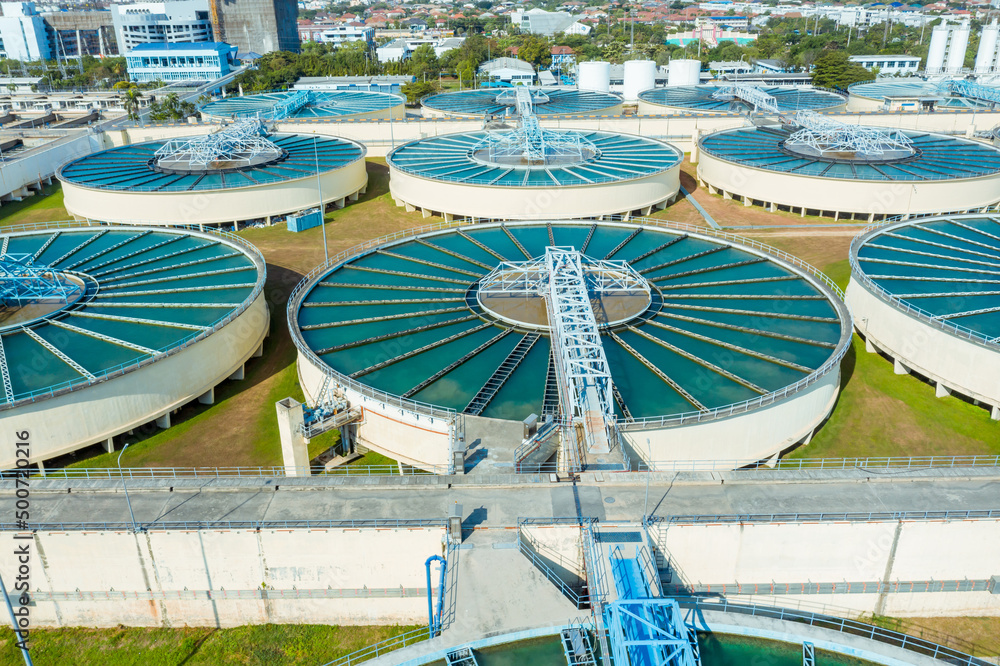
Ever turned on the tap and just watched that clear, cold water flow out without giving it a second thought? It’s easy to forget, but a whole lot of magic (and science) happened before it reached your glass. We’re talking about the unsung hero of modern life: the water treatment plant.
So, What’s the Big Deal?
Think of a treatment plant as a giant, high-tech spa for dirty river water. That water starts its journey carrying mud, leaves, tiny critters, and who knows what else from the great outdoors. By the time it leaves, it’s clean enough to drink, cook with, and bathe in. Pretty cool, right?
But here’s the kicker: the plant isn't just removing the gross stuff you can see. It’s also hunting down the invisible troublemakers, like bacteria and viruses. Without this step, your tap water might come with a side of nasty diseases.
Must Read
Step One: Let It Settle
First up, the water gets a little help to chill out and drop its baggage. The plant adds something called a coagulant, which is basically a chemical magnet. It makes tiny floating particles stick together into bigger clumps, like snowflakes forming a snowball.
Then, the water flows into huge tanks where it slows down almost to a stop. All those heavy clumps sink right to the bottom, like rocks in a pond. This is called sedimentation, and it’s the plant’s way of saying, “Okay, drop your heavy stuff at the door.”
Why Isn’t It Just Clear Yet?
Even after settling, the water still has a bit of haze—tiny particles that are too small to sink on their own. That’s where the next step comes in. Imagine running water through a super-fine colander, but way better.
The water passes through layers of sand, gravel, and sometimes charcoal. Think of it like a stack of sieves, each one catching smaller and smaller bits. By the end, the water is as clear as a diamond.
The Fun Part: Disinfection
Now the water is clean-looking, but it’s still a wild party for microscopic bacteria. So, the plant rolls out the disinfectant. Chlorine is the old faithful here, but some plants use UV light or ozone gas.
It’s like giving the water a final, powerful rinse that zaps any leftover germs. Boom—the party’s over. And just like that, the water is safe to drink.
Wait, What About the Taste?
Ever wonder why tap water from different cities tastes different? That’s because treatment plants sometimes add chemicals to adjust the pH level. A balanced pH means the water won’t corrode your pipes and doesn’t taste metallic or bitter.
 Drinking Water Treatment Plant Stock Photos, Images and Backgrounds for
Some plants even add a tiny bit of fluoride to help keep your teeth strong. So, every time you take a swig, you’re also getting a mini dental bonus. Talk about multitasking!
The Secret Sauce: Good Old Physics
Here’s what’s really mind-blowing: most of this process is just clever use of gravity and pressure. No crazy sci-fi machines needed. The water flows downhill through the plant, and pumps give it a gentle nudge when needed.
It’s the same principle as a mountain stream cleaning itself, just sped up and controlled. Nature does it in weeks; a plant does it in hours. Efficiency is the name of the game.
What Happens to the Gunk?
All that dirt, sand, and bacteria that got removed? It doesn’t just vanish. The plant collects it as sludge—a kind of muddy, goopy mess. Most of that sludge gets treated and then safely sent to a landfill or used as fertilizer.
So, nothing goes to waste. It’s a closed loop, like a really clean, nerdy ecosystem. Your glass of water is the final product of a whole lot of garbage sorting.
Your Tap Water is a Modern Miracle
Remember that for most of human history, people got sick just by drinking from the wrong river. Now, we turn polluted water into something safe with a few simple steps. It’s so reliable that we hardly ever think about it.
So, next time you fill up your water bottle, just pause for a second. Give a little nod to the treatment plant workers and their big tanks, sand filters, and chemical wizardry. They’re the reason your thirst can be quenched without a worry.
And isn’t it kind of beautiful that something so essential happens silently, miles away, while you’re just living your life? That’s the cool part.
