Home Reverse Osmosis Water Filter System

So, picture this: It’s a Tuesday night, and I’m staring into a glass of tap water. It looks innocent enough, but my brain decides to treat it like a forensic evidence photo. “...
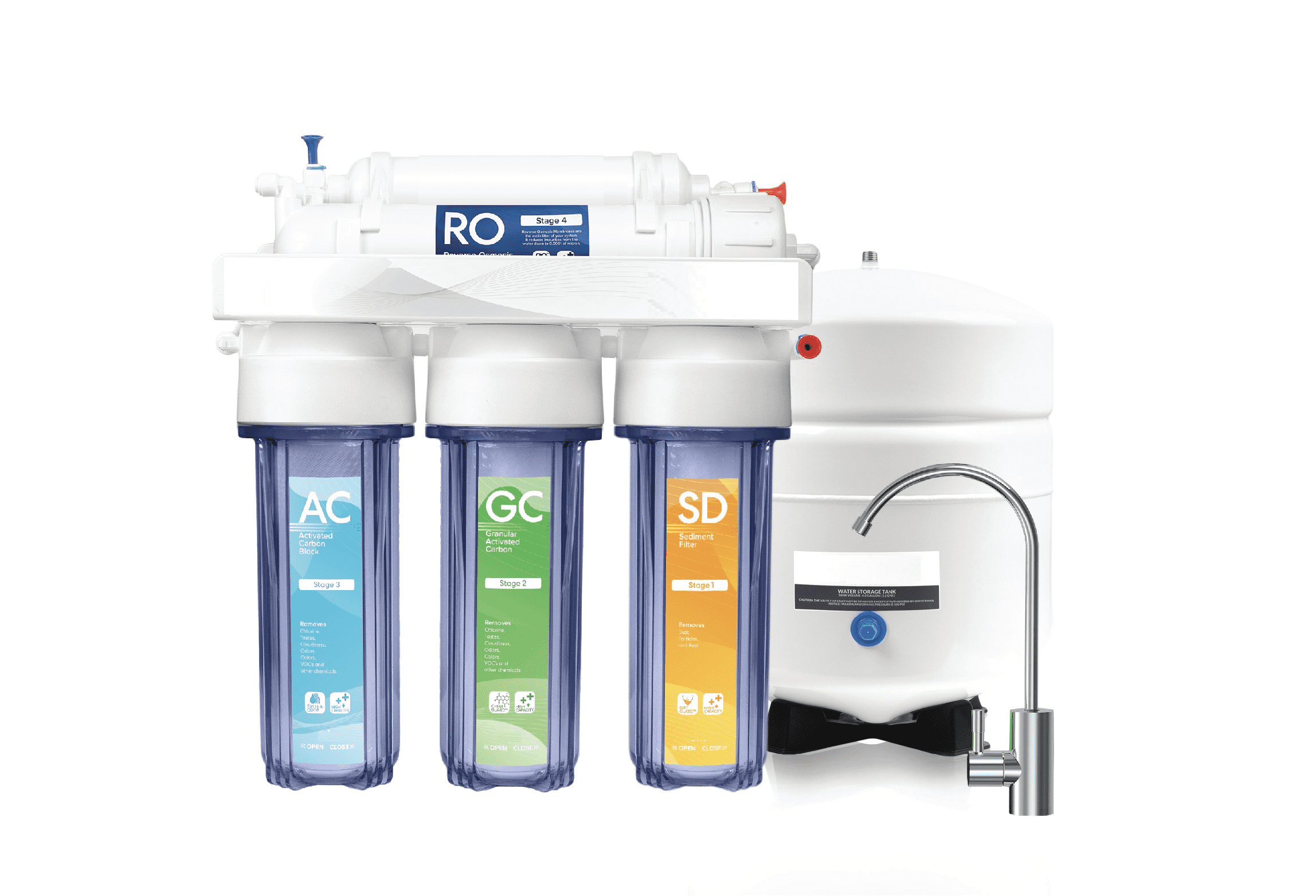
So, picture this: It’s a Tuesday night, and I’m staring into a glass of tap water. It looks innocent enough, but my brain decides to treat it like a forensic evidence photo. “Is that a slight smell of pool chlorine? And what’s that weird white sediment floating around?” I sigh dramatically, wondering if I’m officially “that person” who has opinions about water. That’s when I realized I needed to either see a therapist or buy a Home Reverse Osmosis Water Filter System. I chose the filter—less expensive, and it doesn’t judge my paranoia.
The idea, honestly, sounded kind of sci-fi at first. Reverse osmosis—isn’t that what they do on spaceships? Well, yes, but also in your kitchen. The main idea here is pretty wild: you push water through a super-fine membrane that acts like a bouncer at an exclusive club. Only H2O gets in. Everything else—lead, chlorine, fluoride, weird pesticides, and even those mystery particles that look like glitter—gets tossed out.
Why you should actually care about this
Let’s be real: your tap water is probably “safe” by government standards. Congratulations. But “safe” doesn’t mean “delicious” or “free of things that taste like a swimming pool.” A good RO system strips out the stuff that makes water taste flat or chemical-y. You know that crisp, cold water from a fancy hotel lobby? This is basically that, but in your pajamas.
Must Read
And I’m not just talking about taste. Have you ever noticed how your kettle builds up that crusty white scale? That’s calcium and magnesium—great for bones, annoying for appliances. An RO system removes the hardness minerals, so your coffee maker stops screaming for mercy. Plus, if you’re into gardening, your plants will thank you for not dumping chlorine on their roots. Or maybe you don’t garden, and you just want to stop buying plastic bottles. That works too—just do it for the turtles, you know?
The downsides? Oh, there’s irony here
Nothing is perfect, and RO systems have one big, ironic flaw: they waste water. For every gallon of purified water you get, about 3-4 gallons get dumped down the drain. (Welcome to physics.) That’s the “reject water” that carries away all the bad stuff. So if you’re building a Rainforest Alliance shrine in your backyard, you might feel guilty. But newer models are getting better—some offer a 1:1 ratio, so it’s not quite as painful. Just don’t think about it while you’re brushing your teeth.
Another thing: RO strips out everything, including beneficial minerals like calcium and magnesium. Some water purists say you’re drinking “dead” water. Relax—you get those minerals from food, not your tap. If you’re worried, you can buy a remineralization filter add-on. That’s the equivalent of adding a pinch of salt to a bland meal. Special addition, but not necessary unless you’re a health influencer.
So, which one should you buy?
You’ve got two main types: under-sink systems and countertop models. The under-sink ones are the serious setups—they take up space under your cabinet, look intimidating, and require a little plumbing. The payoff? They produce a ton of filtered water, and you can install a dedicated faucet that looks like a little silver wand. It feels very Professional Chef.
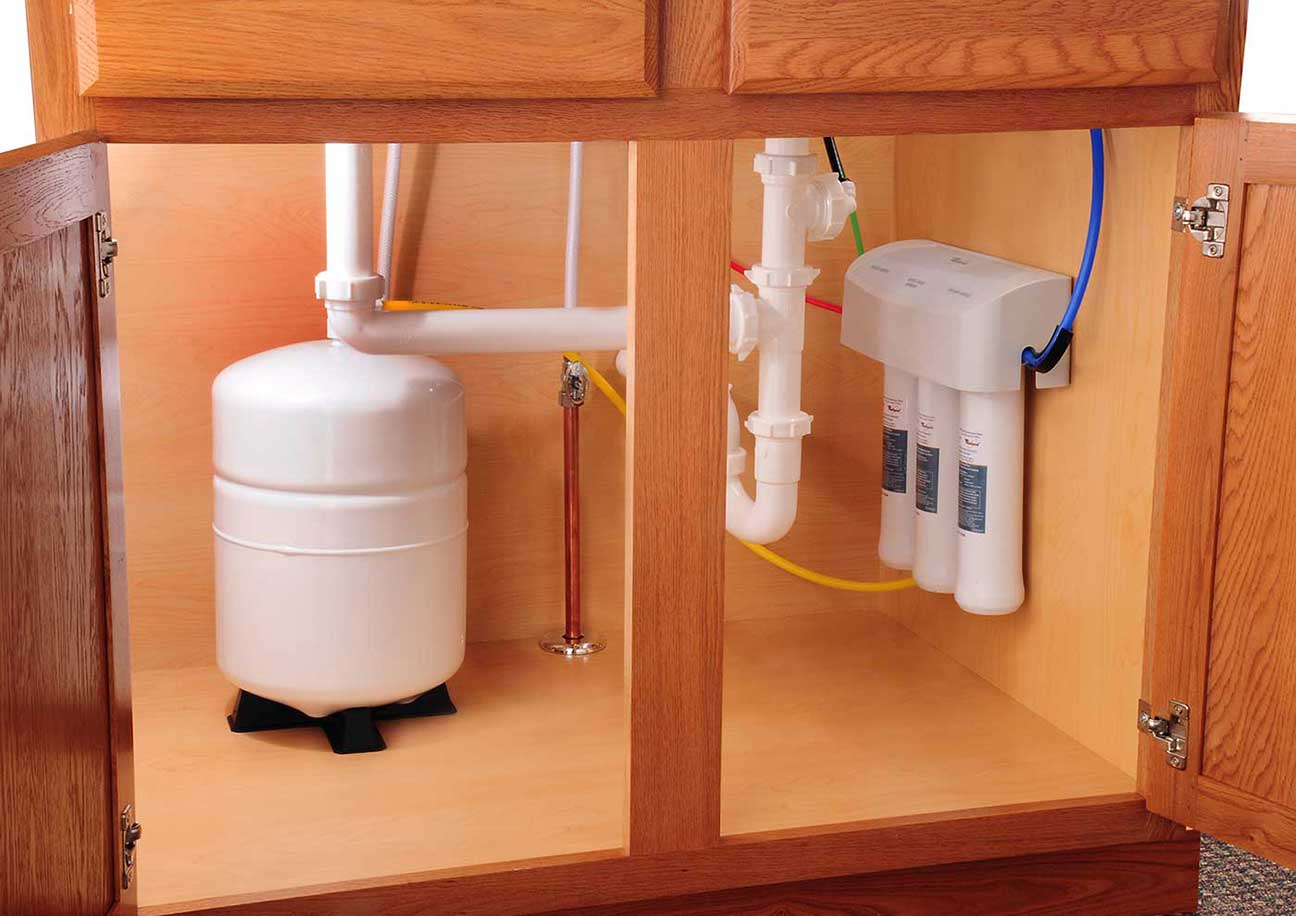 Reverse Osmosis Home Water Filtration System | Whirlpool
Countertop models are smaller and perfect for renters (or people scared of tools). You just fill a tank with tap water, plug it in, and wait 15 minutes for miracle water. They’re slower and hold less, but they avoid the “I’ll do it tomorrow” procrastination that kills home projects. Your call—be honest about whether you can change a filter once a year or once a decade.
Let’s talk maintenance, because it’s not set-and-forget
You do have to change the filters. The pre-filter and carbon filter need replacing every 6-12 months. The main RO membrane lasts 2-3 years. If you ignore this for five years, your water will taste like a wet sock. I’m not joking. Set a calendar reminder on your phone, or tie a string around your finger, or whatever works. It’s cheap, just annoying.
Oh, and the system usually includes a storage tank—like a mini water tower under your sink. If you’re feeding a family of five, you’ll want a bigger tank. If it’s just you and your cat, the standard one is fine. Your cat won’t complain about water taste—but they’ll judge your choices anyway, so just get the right size.
Final push: is it for you?
If you hate buying bottled water, or you’re suspicious of every clunk your pipes make, this is your nerd heaven. It’s not a cheap toy—expect to spend $150-$500 on a basic system—but it pays itself off in about a year if you stop buying cases of Aquafina. Your tap will become the star of your kitchen. Guests will compliment your water. You’ll feel smug.
So go ahead, join the club. We have clear glasses, no sediment, and we talk about TDS (Total Dissolved Solids) like it’s a sport. And no, we don’t have a secret handshake—just a consistent pH level. Now go get yourself a glass of filtered water. You earned it.
