Washing Machine Leaving Stains On Clothes

Your washing machine is a traitor. You trusted it with your favorite shirt. And now? It’s covered in weird, greasy stains. This isn’t a horror movie. It’s laundry day. The Gr...
Your washing machine is a traitor. You trusted it with your favorite shirt. And now? It’s covered in weird, greasy stains. This isn’t a horror movie. It’s laundry day.
The Great Stain Conspiracy
How does a machine add stains? It sounds impossible, right? The culprit is usually something you never see: dirty detergent buildup. Think of your machine as a clogged artery. All that gooey, old soap has to go somewhere—and it chooses your clothes.
Those mystery marks are often oil-based. They look like dark, smudgy ghosts. They pop up after the spin cycle, mocking your efforts. You are not alone.
Must Read
Your Fabric Softener is a Frenemy
That blue goo you pour in? It’s part of the problem. Fabric softener coats your machine’s innards with a waxy film. Over time, that film flakes off. It lands on your socks like sticky, colorless snow. Quirky fact: The same chemicals that make towels soft can turn them into stain magnets. You're basically waxing your clothes.
Did you know that over-softening can actually ruin moisture-wicking fabrics? Athletes, take note. Your workout gear hates fabric softener. It’s a betrayal of the highest order.
The Grease Monster Lives in Your Dispenser
That little drawer where you pour detergent? It’s a petri dish of danger. Mold and mildew love dark, damp spaces. They ooze out like tiny, grimy ninjas during a wash cycle. The result? Yellowish-brown splotches on your whites. Charming, right?
A simple fix: pull out the drawer once a month. Scrub it with an old toothbrush. You’ll be shocked at the slime. One user found a literal film of goo that looked like a science experiment gone wrong. That goo is now on your pillowcase.
The Melted Rubber Band Mystery
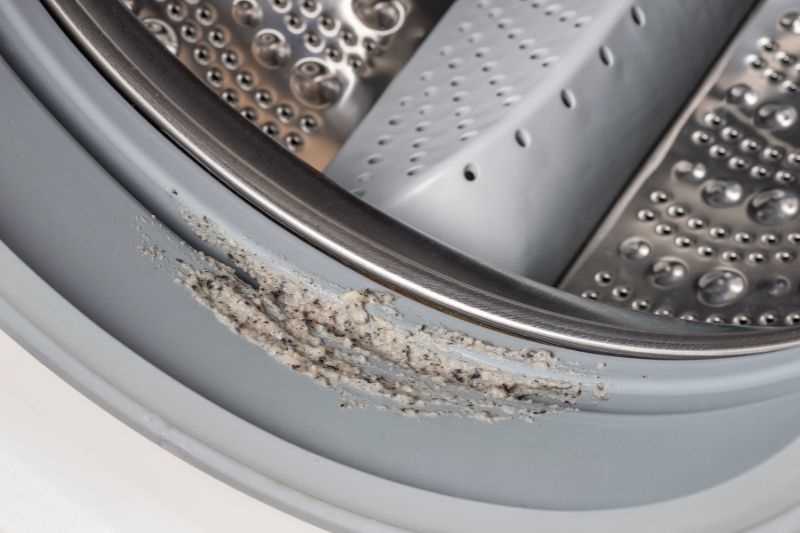
Ever find a stain that looks like a tire mark? That’s your rubber door seal degrading. The seal holds water inside, but over time, it cracks. Tiny black bits of rubber break off and stain your clothes. It’s not dirt—it’s your machine cannibalizing itself. A dramatic twist in the laundry saga.
Fun fact: Front-loaders are worse for this. Why? They use less water, so stains get concentrated. The machine is practically painting your clothes with its own guts. You are a victim of mechanical alchemy.
Why You Should Care (It’s Fun to Be a Detective)
This is a game now. Every stain is a clue. Is it greasy? That’s old detergent sludge—run an empty hot wash with vinegar. Is it black and crumbly? That’s door gasket debris—wipe it down with bleach. You are Sherlock Holmes, but with dirty socks.
The best part? Redoing laundry is oddly satisfying. It’s like a do-over in a video game. You get to defeat the stain boss a second time. Plus, your machine will thank you with fresh-smelling clothes. Win-win.
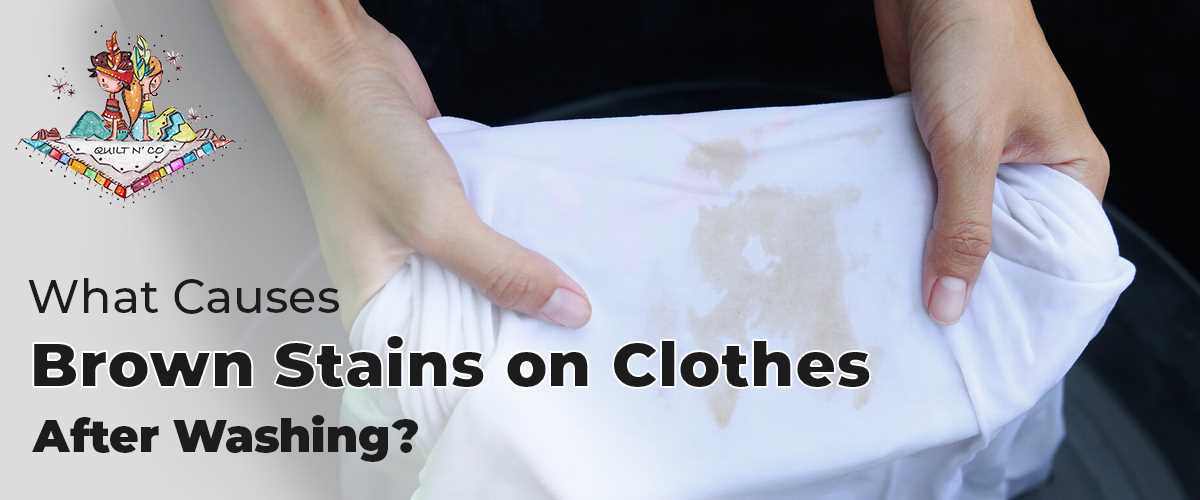 Understanding and Solving the Issue of Washing Machine Leaving Brown
The "Ghost Stain" Phenomenon
Sometimes a stain appears only after the clothes dry. Science calls this latent staining. The water hides the mark, but evaporation reveals it. It’s a magic trick nobody wanted tickets for. This happens when you use too much detergent. The excess can’t rinse away, so it dries into a sticky film.
Solution: Use half the detergent you think you need. Seriously. Modern machines are efficient. You are over-soaping your life away. It’s like putting five pumps of ketchup on one fry.
The Hidden Villain: Hard Water
Your water might be rock-hard. Hard water has minerals like calcium and magnesium. They combine with detergent to form a curd-like soap scum. This scum clings to clothes and traps dirt. Over time, your whites turn gray. Your colors look dull. It’s a slow, boring crime.
Quirky fact: Hard water stains can feel gritty. Run your finger over a fresh stain. Does it feel like sandpaper? That’s mineral buildup. A water softener or a cup of white vinegar in the rinse cycle can stop this drama. No need for a chemistry degree.
When Your Machine is a Time Capsule
Did you know your washing machine >hates cold water? Cold cycles don’t dissolve detergent well. The detergent sits on your clothes like a lazy cat. Over many washes, that buildup creates a stain layer called scrud. Scrud is a real word. It sounds gross because it is. It’s a waxy, gray deposit that smells like a swamp.
One study found that 1 in 4 machines harbor scrud. You might be part of this exclusive club. Welcome. The membership fee is another load of laundry.
The Joy of Fighting Back
Here’s the punchline: You can win this war. Clean your machine monthly with a washing machine cleaner or a cup of bleach. Wipe the door seal with a dry towel after every use. Leave the door open to air out. This kills 90% of stain-causing gunk.
Next time you see a mysterious stain, don’t panic. Laugh. You now know the dirty secret. Your machine isn’t malicious—it’s just messy. Give it a good scrub, and it will be your friend again. Until next month. Then the cycle starts fresh. Isn’t life beautifully weird?
