Recommended Amount Of Water Per Day In Oz

Alright, let’s talk about water—the magical, life-giving elixir that keeps us from turning into dried-up raisins. You’ve probably heard a million times that you need to drink...
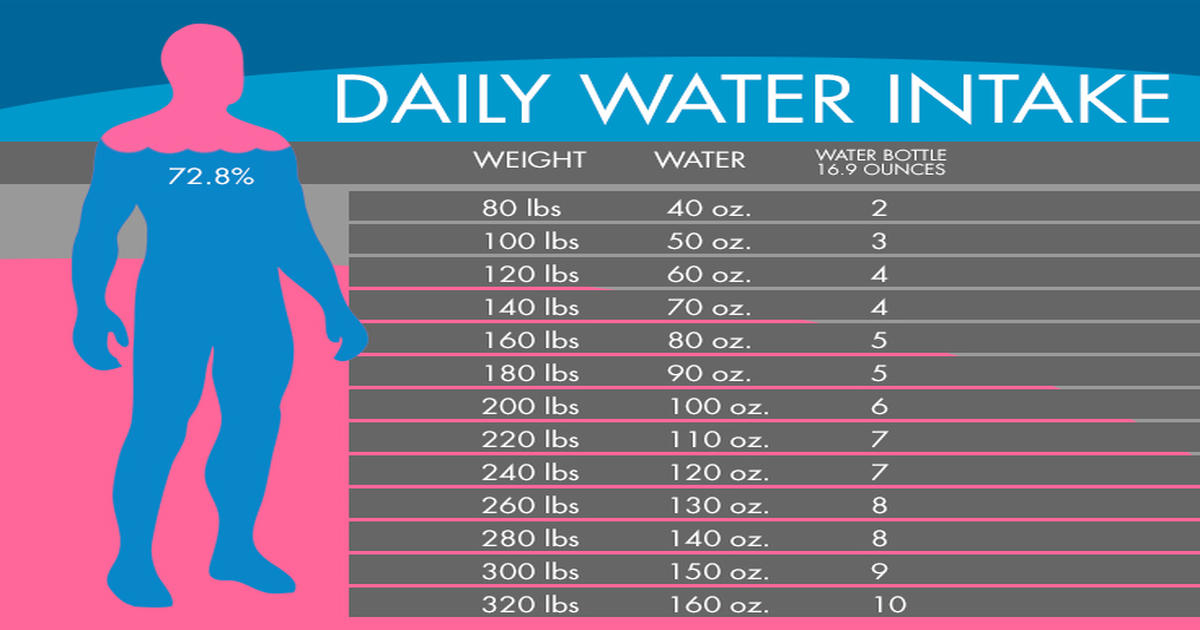
Alright, let’s talk about water—the magical, life-giving elixir that keeps us from turning into dried-up raisins. You’ve probably heard a million times that you need to drink eight glasses a day, right? Well, buckle up, because we’re diving into the recommended amount of water per day in ounces, and I promise it’s less boring than it sounds.
First, let’s address the elephant in the room—or should I say, the dehydrated elephant? The classic “8×8 rule” (eight 8-ounce glasses, totaling 64 ounces) is a decent starting point. But guess what? Your body isn’t a cookie-cutter machine, and neither is your thirst. For most healthy adults, the general recommendation hovers around 64 to 80 ounces per day, but it’s more like a friendly suggestion than a law carved in stone.
Why 64 Ounces Feels Like a Magic Number
Think of 64 ounces as the “Goldilocks zone” of hydration—not too little, not too much, but just right for many people. That’s about eight tall glasses of water, or two standard Nalgene bottles if you’re an outdoorsy type. It’s a simple target that doesn’t require a degree in fluid dynamics to remember.
Must Read
But wait! Before you start chugging like you’re at a frat party, know this: your needs change based on how much you sweat, move, and even breathe. If you’re a marathon runner, a yoga enthusiast, or just someone who lives in Arizona in July, you’ll need more. The Institute of Medicine men suggests about 125 ounces for men and 91 ounces for women daily—but that includes water from food and other drinks. So 64 ounces of plain water? It’s a solid baseline, not a prison sentence.
The Science-Speak Made Simple (No Lab Coat Required)
Your body is basically a fancy sponge that needs constant topping up. Every cell, joint, and brain function relies on H2O to run smoothly. Without enough, you might get a headache, feel sluggish, or start craving snacks when you’re really just thirsty—a classic mix-up I call the “hunger mirage.” The recommended amount in ounces helps you avoid that fake-out.
Here’s a fun fact: your urine color is a better guide than a stopwatch. If it’s pale yellow like lemonade, you’re golden. If it’s dark like apple juice, drink up, friend. If it’s completely clear, you might be overdoing it—yes, you can actually drown your kidneys in kindness. Aim for that happy medium!
How to Hit Your Oz Goal Without Feeling Like a Camel
I get it—counting ounces can feel like homework. But you can cheat a little. Every time you refill that favorite water bottle of yours, you’re basically a hydration hero in training. A 16-ounce bottle means you only need four of those to hit 64 ounces. Easy peasy, right?
Another trick? Eat your water. Seriously, foods like cucumbers, watermelon, oranges, and celery are packed with the stuff. A cup of diced watermelon has about 5 ounces of water, which is like a mini high-five from Mother Nature. So go ahead, snack like a garden and call it self-care.
Pro tip: If drinking water bores you, dress it up! Add lemon slices, mint leaves, or a splash of cranberry juice. Suddenly, your glass of water is a spa day in a cup. You’re not just hydrating—you’re living your best, most bougie life.
What About Coffee, Tea, and Other Liquid Lies?
Great news: coffee and tea do count toward your daily ounces! The old myth that they dehydrate you is mostly busted—unless you’re drinking a gallon of espresso, in which case, please see a therapist. Herbal teas, milk, and even soup broth all contribute to your 64-to-80-ounce target. So that afternoon latte? You’re not just caffeinating; you’re hydrating like a sneaky genius.
 B Fit B Hydrated - The Braden Aboud Memorial Foundation
Watch out for sugary drinks and booze, though. Soda might quench your thirst momentarily, but it’s like inviting a clown to your party—fun for a minute, then everything gets sticky. Alcohol is a diuretic, meaning it makes you pee more. So if you’re having a beer or a glass of wine, match it with an equal amount of water. Your future self (and your morning) will thank you.
When to Drink More (and When to Chill Out)
Feeling tired, dizzy, or like your mouth is full of cotton? That’s your body waving a white flag. Drink a few ounces pronto. If you’re exercising for more than an hour, or it’s hotter than a dragon’s breath outside, add 8-16 extra ounces per hour of activity. Your sweat glands are basically tiny waterfalls—help them out.
On the flip side, don’t force yourself to chug if you’re not thirsty. Overhydration (called hyponatremia) is rare but real—it’s when you dilute your blood’s sodium levels. It’s like trying to water a plant that’s already swimming. So listen to your body: if your stomach sloshes when you walk, you’ve probably had enough.
The ultimate rule? Drink when you’re thirsty, pee when you need to, and aim for that 64-80 ounce sweet spot most days. You’re not a science experiment; you’re a human with a vibe.
The Uplifting Conclusion (Where We Cheers to You)
So here’s the real news: you are already doing a fantastic job. Maybe you hit 64 ounces today, or maybe you had a coffee-heavy morning and are catching up. Either way, you care enough to learn about your own well-being, and that’s beautiful. Water isn’t just a chore—it’s a kind of love letter you write to your body, one sip at a time.
Remember, your recommended amount per day in ounces is a range, not a test. Some days you might breeze past 80 ounces; other days you barely make it to 40, and that’s okay. Life happens. The secret is to stay curious, stay playful, and keep a bottle nearby like a faithful sidekick. You’ve got this—hydrated, happy, and ready to take on the world.
Now go forth and drink like the glorious, hydrated human you are. And hey, if you spill a little on your shirt? That’s just your body’s way of saying, “I’ve got your back, and your front too.” Cheers! 🥤
