How Do You Remove Fluoride From Tap Water

Let’s talk about tap water—specifically, the fluoride in it. By now, you’ve probably heard a hundred different opinions, from “it’s great for your teeth” to “it’s secretly tur...

Let’s talk about tap water—specifically, the fluoride in it. By now, you’ve probably heard a hundred different opinions, from “it’s great for your teeth” to “it’s secretly turning us into robots.” (Spoiler: it’s not the latter.) But if you’ve decided you’d like to remove fluoride from your drinking water, you’re in luck—it’s totally doable, and it can even make your kitchen feel like a mini science lab.
Why bother removing it?
Fluoride is added to many municipal water supplies to prevent cavities—that’s a fact. But some folks prefer to minimize their intake due to personal health choices, bottled water preferences, or just wanting pristine control over what goes into their bodies. Hey, it’s your water, your rules!
The good news? You don’t need a degree in chemistry or a spaceship filter. The process is surprisingly simple, and once you know the tricks, you’ll feel like a hydration wizard.
Must Read
Method #1: The reverse osmosis power move
This is the gold standard for fluoride removal. Reverse osmosis systems force water through a special membrane that blocks fluoride (and tons of other contaminants) like a bouncer at an exclusive club. They’re often installed under the sink, and they can remove up to 95% of fluoride.
Yes, they cost a bit upfront, but think of it as an investment in your personal water bar. You’ll be sipping like a connoisseur!
Method #2: Activated alumina—the underrated hero
If reverse osmosis feels too fancy, try activated alumina filters. These use a special aluminum oxide material that grabs fluoride ions like a magnet. They’re often found in countertop pitchers or faucet attachments.
The best part? They’re affordable and easy to install. You’ll feel like a DIY superstar every time you fill your glass.
Method #3: Distillation—old-school and reliable
Distillation is basically making rain in your kitchen. You boil water, collect the steam, and let it condense back into liquid—leaving fluoride and most minerals behind. It’s slow, yes, but it’s also foolproof.
Plus, you get to watch the process happen. It’s oddly satisfying, like a tiny weather system on your countertop. Who says science can’t be cozy?
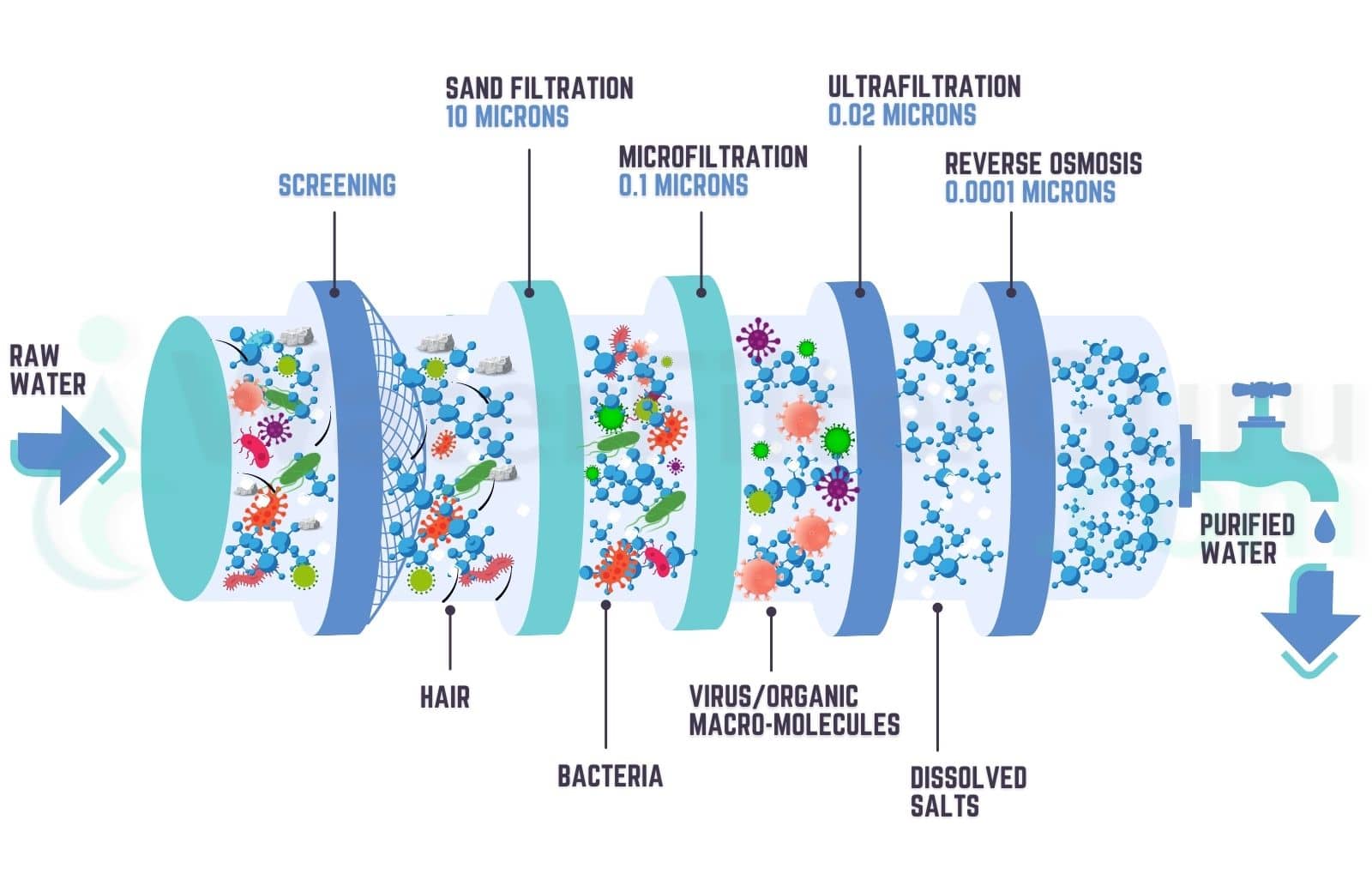 How to Remove Fluoride from Water: 4 Effective Methods
A quick note on what won’t work
Let’s bust a myth: boiling water does not remove fluoride. In fact, it can concentrate it as steam escapes. So unless you’re distilling, keep the kettle for your tea, not your fluoride worries.
Also, basic carbon filters (like those in fridge pitchers) are great for taste and chlorine, but they’re not designed to tackle fluoride. Check the specs before you buy!
Making it fun: Turn water into your hobby
Once you pick a method, you can get creative. Test your water’s fluoride level with a home kit (yes, those exist). Compare the taste from your new filter to regular tap. Host a blind taste test with friends—loser buys the next pitcher.
Suddenly, something as simple as drinking water becomes a little adventure. And isn’t that what life’s about? Finding joy in the small, sparkly things?
The bigger picture
Removing fluoride isn’t about fear—it’s about empowerment. You’re learning how your water works, making informed choices, and taking charge of your health in a hands-on way. That’s something to celebrate.
So go ahead, pick a filter that speaks to you. Whether you go high-tech reverse osmosis or cozy countertop distiller, you’re now part of a curious, water-loving community. Cheers to that!
Remember: every sip you take is a chance to learn something new. The world of water is wide and wonderful—dive in, and let your curiosity flow. Who knows what you’ll discover next?
