Reverse Osmosis Water Filter For The Home

So, you’ve heard about reverse osmosis (RO) water filters, and you’re wondering if your kitchen needs one. Maybe you’re tired of that slightly weird tap water taste, or you’re...

So, you’ve heard about reverse osmosis (RO) water filters, and you’re wondering if your kitchen needs one. Maybe you’re tired of that slightly weird tap water taste, or you’re just looking for a fun new appliance to argue with. Either way, you’re in for a treat—or, more accurately, a crisp, clean sip of water!
Let’s break it down without turning into a chemistry textbook. Reverse osmosis is basically water’s version of a very strict bouncer at a club. It uses pressure to push water through a super-fine membrane, and only the good H2O gets in; everything else—chlorine, lead, pesticides—gets kicked to the curb.
Think of it as a superhero for your tap. Your regular faucet is like a friendly neighbor who lets anyone in, including that weird guy with the hard water minerals. An RO system is like Batman: selective, efficient, and ready to filter out the villains (like arsenic and nitrates). Who knew plumbing could be so dramatic?
Must Read
Why Would You Even Want One?
First off, taste. If your tap water tastes like a swimming pool or a dusty basement, an RO filter will fix that. It removes over 90% of dissolved solids, which is fancy talk for “makes water taste like nothing—in the best way.”
Second, it’s amazing for cooking. Have you ever made coffee that tasted like it was brewed in a rusty bucket? That’s your water, buddy. With RO water, your coffee, tea, and soups will taste so pure, you’ll feel like a Michelin-star chef. (Okay, maybe not that good, but close.)
Third, save money on plastic bottles. You know that guilty feeling when you buy a case of water and it’s mostly just bottles you’ll guiltily recycle? An RO system means you’re the eco-warrior of your own kitchen. Plus, you’ll save about a million dollars a year. (Rough estimate. Do not quote me to the IRS.)
The Nitty-Gritty: How It Works (Without the Math)
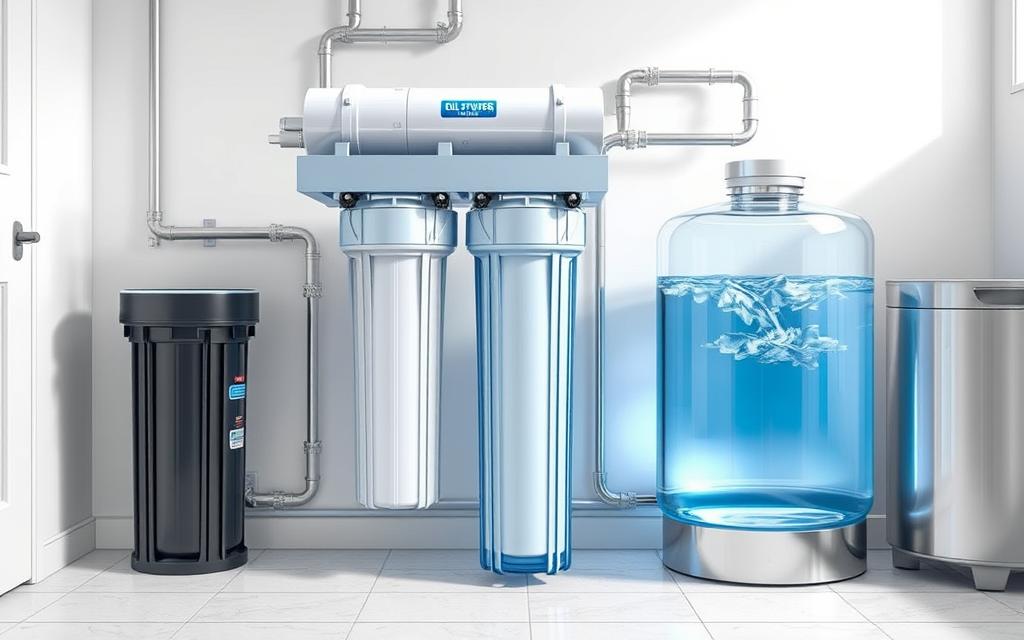
Here’s the simple version: water flows through a series of filters. First, a sediment filter catches big stuff like sand and rust (a.k.a. “the gross chunks”). Then, a carbon filter grabs chlorine and bad smells (goodbye, bleach vibes).
Then comes the main event: the RO membrane. This is a super-thin, coiled-up sheet with tiny pores—so tiny that only water molecules can squeeze through. Everything else (like lead, fluoride, and that mystery goo from the pipes) gets flushed away. It’s like a bouncer with a magnifying glass.
Finally, a polishing filter gives it one last shine before it reaches your glass. The whole process is slow and a little dramatic—it takes a few minutes to fill a one-liter bottle. But hey, good things come to those who wait (and thirst).
The Stuff Nobody Tells You
Okay, let’s be real. RO systems have one annoying habit: they waste water. For every gallon of filtered water, they might send 2-4 gallons down the drain. That sounds terrible, but modern systems are getting better (some waste only 1:1). Plus, you can use that “waste” water to water your plants—just don’t tell them it’s the rejected stuff.
 Best Whole House Reverse Osmosis Water Filter Guide
Also, installation can be a bit of a DIY affair. If you’re handy, you can do it in an afternoon. If you’re like me, you’ll end up with a tiny leak and a puddle that looks like a crime scene. Pro tip: just hire a plumber or bribe a friend with pizza.
And here’s the weirdest part: RO water is so pure that it can taste “flat” if you’re used to mineral water. Some people add a dash of pink salt or a slice of lemon to bring back the “zest.” It’s like giving your water a little personality.
Should You Buy One? The Honest Answer
If you live in a city with iffy tap water—or you just hate the taste of your local supply—yes, absolutely. It’s a game-changer for your health and your morning coffee.
If you have well water, you probably need a special RO system because well water has more junk (like iron and bacteria). But it’s doable. Just do your homework—or hire a water geek to test your stuff.
If you’re a renter, you can get a countertop RO filter that doesn’t require drilling holes. It’s like a Brita on steroids. No landlord drama included.
The Final Sip (Uplifting Conclusion)
So here’s the bottom line: a reverse osmosis water filter is a little bit of magic for your home. It takes something as mundane as water and turns it into a crystal-clear, refreshing experience that makes you feel like you’re drinking from a mountain spring—except you’re in your pajamas, standing in the kitchen.
It’s a small investment that pays off in better health, better taste, and fewer plastic bottles cluttering your life. And honestly, isn’t it nice to know you’re drinking water that has been lovingly filtered by a tiny plastic dragon (aka the RO membrane)?
Go ahead, take the plunge. Your taste buds will thank you, your kettle will have zero scale buildup, and you’ll finally be the person who offers guests “a glass of perfectly pure water” with a smug grin. You deserve it. Cheers to clean water and fewer awkward plumbing adventures!
