Water Treatment For Commercial Facilities

Ever walked into a commercial building and thought, “Wow, this water tastes like a swimming pool had a fight with a rusty pipe”? Yeah, me neither—until you do. That’s exactly...

Ever walked into a commercial building and thought, “Wow, this water tastes like a swimming pool had a fight with a rusty pipe”? Yeah, me neither—until you do. That’s exactly why water treatment for commercial facilities is a big deal. It’s the unsung hero that keeps your morning coffee from tasting like a chemistry experiment.
So, What Is This “Water Treatment” Thing, Anyway?
Imagine you’re the building’s pipes—stuck in the dark, getting clogged with calcium, and occasionally flooded with bacteria. Not a fun life, right? Commercial water treatment is like a spa day for your plumbing. It filters out the gunk, balances the pH, and makes sure the water is safe for drinking, cleaning, and that fancy espresso machine in the lobby.
And no, it’s not just about taste. It’s about not having a cooling tower that grows algae like a science fair project gone wrong. Trust me, you don’t want that kind of surprise.
Must Read
Why Should You Care? (Spoiler: Your Wallet)
Look, untreated water is a party crasher. It brings scale buildup that eats your pipes, corrosion that rusts your equipment, and energy bills that make you cry. Think of it this way: a 1/8-inch layer of scale in a boiler can increase energy use by 15%. That’s like running your air conditioner with the windows open.
But here’s the kicker: bad water can ruin your reputation. A hotel guest showers in orange-tinted water? They’ll yelp about it faster than you can say “mineral deposit.” So, water treatment isn’t just maintenance—it’s customer service in disguise.
The Big Players: What Gets Treated?
1. Cooling Towers (The Workplace Party Animals)
Cooling towers are like that friend who sweats a lot and needs constant hydration. They suck in air, dump heat, and if you don’t treat the water, they grow Legionella bacteria. Yeppp, the same bacteria that gives you a nasty lung infection. A good chemical treatment plan stops that and prevents scaling, so your tower stays chill—literally.
Pro tip: Skip the treatment and you’ll be replacing those big fans every two years. That’s a lot of dough you could have spent on office snacks.
2. Boilers (The Angry Tea Kettles)
Boilers are basically giant tea kettles, and they hate hard water. Hard water creates scale that insulates the heat, making your boiler work overtime. Result? Sky-high gas bills and a boiler that pouts until it breaks. A good water softener removes calcium and magnesium, so your boiler runs smooth as butter.
And if you hear strange knocking sounds? That’s not a ghost. That’s steam bubbles trapped by scale. Your boiler is literally screaming for help.
3. The Plumbing (The Unsung Hero)
Think of every sink, toilet, and urinal in your building. Now imagine them all slowly clogging with rust and mineral deposits. Not pretty. Commercial water treatment keeps the flow going by removing sediment and controlling corrosion. It’s like giving your pipes a daily multivitamin.
Bonus: No more weird orange stains in the staff bathroom. Your cleaning crew will send you a thank-you card.
The Fun Stuff: How Do You Actually Treat Water?
There are three main ways to make water behave. First, chemical treatment—adding anti-scalants, biocides, and corrosion inhibitors. It’s like putting sunscreen, bug spray, and a tiny life jacket on every water molecule. Second, filtration—using sand filters, carbon filters, or reverse osmosis to physically remove junk.
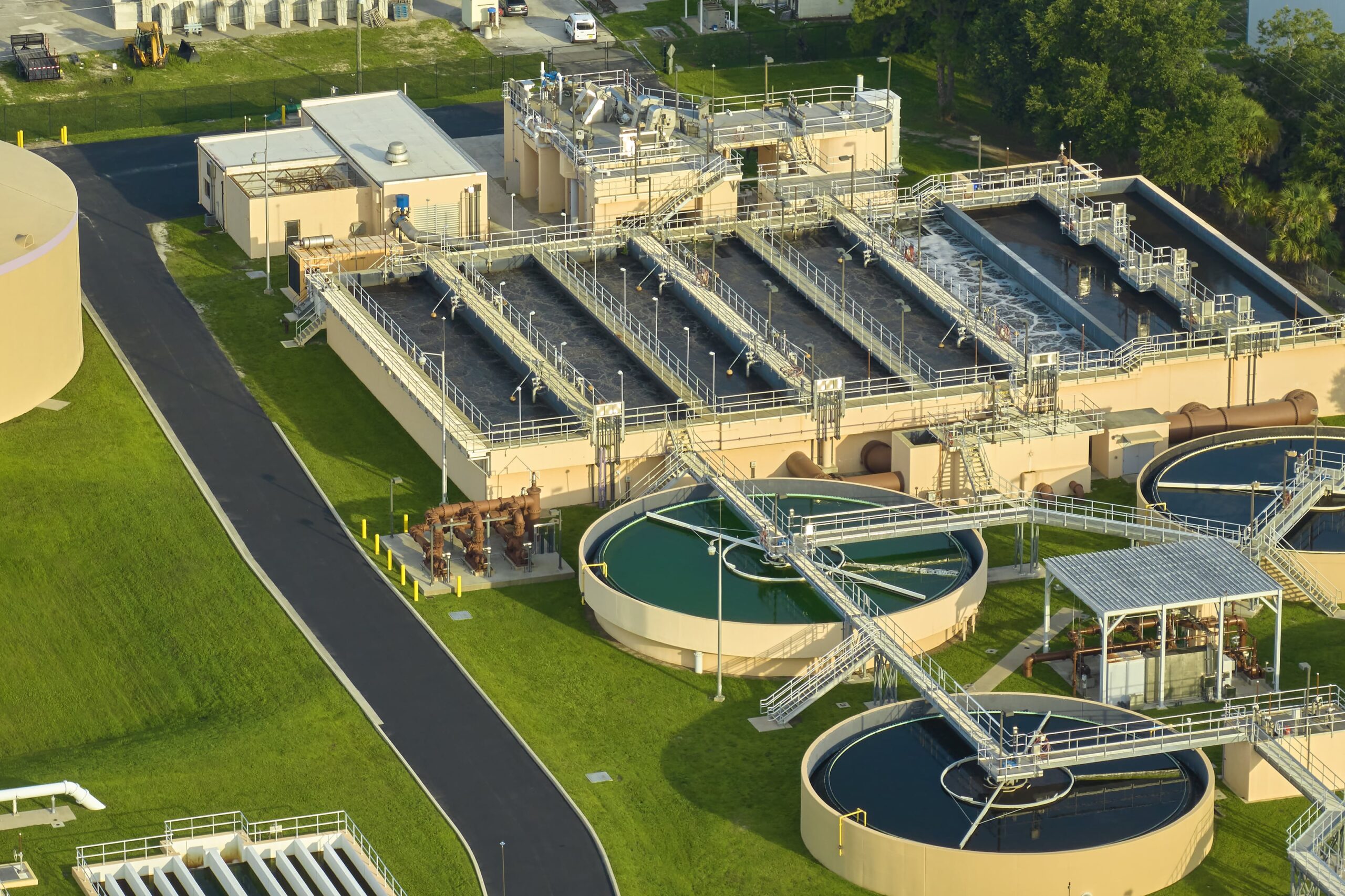 Wastewater Treatment Plant
Third, ion exchange, which is a fancy term for “water softening.” This uses resin beads to swap calcium for sodium. Sounds like a magic trick, but it’s real. And it’s awesome for preventing scale.
Most commercial facilities combine a few methods. It’s like a superhero team: Softener, Filter, and Chem Guy. Together, they save the day.
But Isn’t This Expensive?
Here’s the thing: not treating water is way more expensive. A single pipe failure from corrosion can cost you thousands in repairs and lost business. Compare that to a few hundred bucks a month for a simple chemical feed system. It’s like choosing between buying an umbrella or paying for flood damage. Your call, but, ya know, umbrellas are cheaper.
Plus, many water treatment companies offer free audits. They’ll test your water, find the problems, and give you a plan. It’s like going to a doctor for a check-up, except the doctor also tells you your heating bill is too high.
A Quick Joke Break (You Earned It)
Why did the water molecule break up with the pipe? Because it found a filter that actually listened. Okay, okay—bad joke. But seriously, treated water is a relationship that works.
The Lighter Side: Small Steps, Big Smiles
You don’t need a PhD to start treating water. Begin with a simple test kit (they’re $20 online) or call a local pro. Many will install a basic softener for your boiler in a day. Within a month, you’ll notice the difference: cleaner dishes, brighter laundry, and a building that feels fresher.
Imagine your visitors. Instead of wrinkling their noses at the tap water, they’ll say, “Wow, this is better than my house!” That’s a win. That’s the power of good hydration.
Uplifting Conclusion: You’ve Got This!
So there you have it: water treatment for commercial facilities isn’t a chore—it’s a superpower. You’re not just maintaining pipes; you’re protecting the experience of everyone who walks through your doors. Every clean sip of water, every humming boiler, every happy toilet is thanks to the small decision to treat water right.
And think of this: You are now the guardian of good water. You’re the reason that office kitchen doesn’t smell like a swamp. You’re the hero who saves the planet one filtered drop at a time. Go ahead, feel proud. Take a sip of that crisp, treated water. Smile. You’ve earned it. (And hey, if the water tastes amazing, maybe treat yourself to a coffee, too.)
