Solute Particles In A Solid State In Water

You know that feeling when you’re making iced tea and you dump a spoonful of sugar into the glass? For a second, it’s just sitting there, a little pile of white crystals at th...
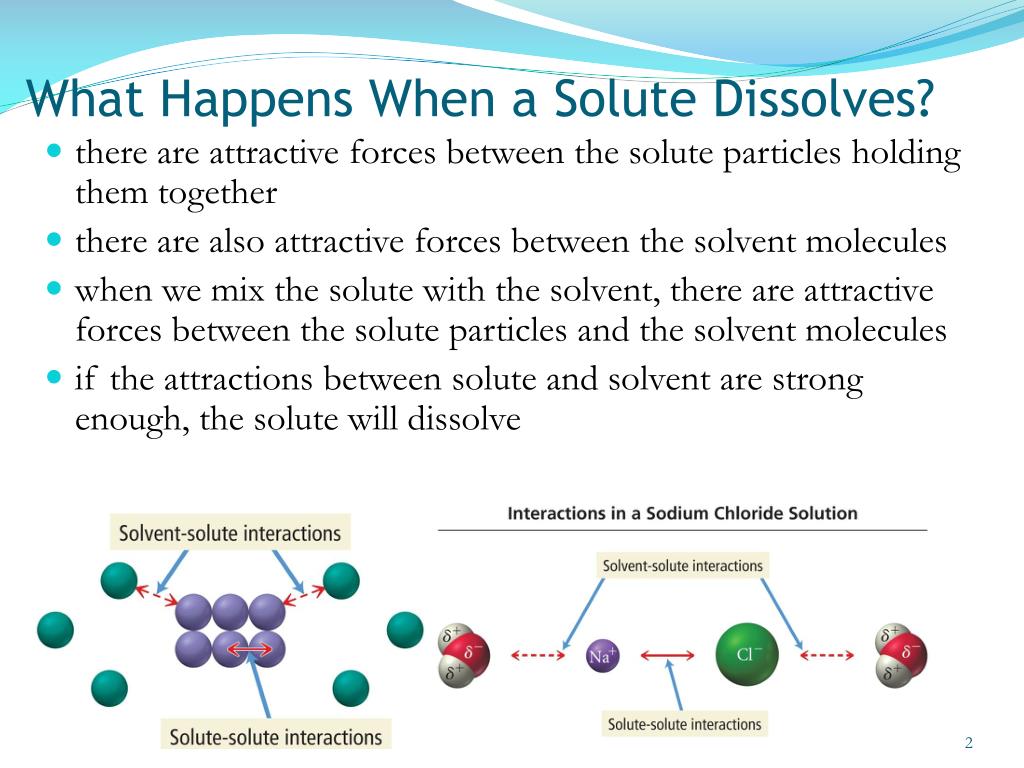
You know that feeling when you’re making iced tea and you dump a spoonful of sugar into the glass? For a second, it’s just sitting there, a little pile of white crystals at the bottom, looking smug and untouched.
That, my friend, is a perfect example of solute particles in a solid state in water. It’s basically the universe’s way of saying, “Hold on, I’m not done with you yet.”
It’s like a tiny, stubborn houseguest
Imagine your water glass is a party. The water molecules are the host, all swirly and ready to mingle. The sugar crystals are that one friend who shows up with a suitcase and immediately claims the couch.
Must Read
At first, the sugar just sits there, a solid lump refusing to join the party. Those solute particles are incredibly shy, huddled together in a tight little group, whispering, “We’re not sure about this whole liquid thing.”
But given time—and a good stir—they eventually loosen up. They break apart, each tiny particle going, “Fine, I’ll dance,” and dissolving into the mix.
When the party gets awkward
Not every solid is a good guest, though. Drop a rock in your glass, and it’s not dissolving. That rock is the family reunion uncle who sits in the corner, arms crossed, refusing to eat the potato salad.
In chemistry speak, the rock is a solute that’s just not soluble. The water molecules can’t separate its particles because they’re too tightly bonded, like a couple holding hands at a wedding who’ve had one too many glasses of champagne. They’re not going anywhere.
Then there’s the weird in-between, like when you’re making hot chocolate and you don’t stir enough. You get those clumps of powder floating around like sad, tiny islands of chalky misery.
That’s a solute particle solid state that wants to join the party but is too scared to let go. It’s the equivalent of showing up to a pool party in a full wool sweater—technically you’re there, but you’re not having any fun.
The science of the slow dissolve
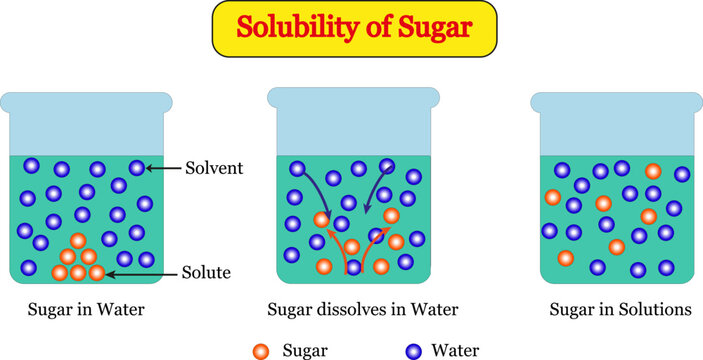
So, what’s actually happening inside that glass? Those solid solute particles are vibrating, shaking off the “solid” vibe one molecule at a time.
The water molecules, which are always moving, bump into the solid like rowdy kids at a bounce house. They knock off individual particles, hugging them and saying, “Come on, let’s go for a ride!”
This is called dissolution, and it’s a slow, awkward dance. It’s not instant, like magic. It’s more a gradual, “Okay, I guess we’re doing this now” kind of process.
Temperature is the social lubricant
Ever notice how sugar dissolves faster in hot coffee than in cold water? That’s because heat makes water molecules hyperactive. They’re like kids after too much birthday cake.
 Solubility In Water
In cold water, the molecules are sluggish and polite. They’re all, “Excuse me, would you like to come out?” In hot water, they’re banging on the solid’s door screaming, “LET’S GOOOOOO!”
So temperature is the big boss. It decides if your solute is going to be a wallflower or the life of the party. That’s why iced tea takes forever to get sweet if you don’t use simple syrup.
The gritty truth of sand
But let’s talk about the saddest solute of all: sand. Drop sand in a glass of water, and it just sits there, looking tragic. It’s not dissolving. It’s not even trying.
Sand particles are insoluble. They’re the friends who bring their own snacks to the movie theater and refuse to share. They’ll sink to the bottom and create a dirty, gritty layer, mocking the water for even thinking they’d mingle.
You can stir all you want, but it’s futile. The sand will just swirl around, get in your way, and then settle back down like a sullen teenager. “I’m not talking to you.”
Why this matters for your morning oatmeal
Think about making oatmeal. You dump in solid salt particles. If you don’t stir, you get a salty surprise at the bottom. That’s a lesson in solute distribution.
Your spoon is the great equalizer. It breaks up those solid-state cliques, forcing the salt to spread out and behave like a proper solute. Without that stir, you’re playing flavor roulette.
And nobody wants to play flavor roulette at 7 AM. I learned that the hard way when my breakfast turned into a chemistry experiment I didn’t sign up for.
The final nod
So next time you see a sugar cube floating in your tea, give it a moment. It’s not being lazy; it’s just going through a slow, solid-state transition.
It’s the everyday miracle of particles leaving their home and bravely venturing into the liquid unknown. It’s the same reason medicine takes time to work or why gravy needs whisking.
In the end, we’re all just solute particles trying to find our place in the water. Some of us dissolve fast. Some of us need a little heat. And some of us just sink to the bottom and refuse to play along. And that’s okay.
