What Kind Of Salt Should I Add To My Water

So, you’ve heard the wellness gurus. You’re adding salt to your water. Good for you! But now you’re staring at a grocery aisle of crystals, flakes, and rocks, feeling totally...
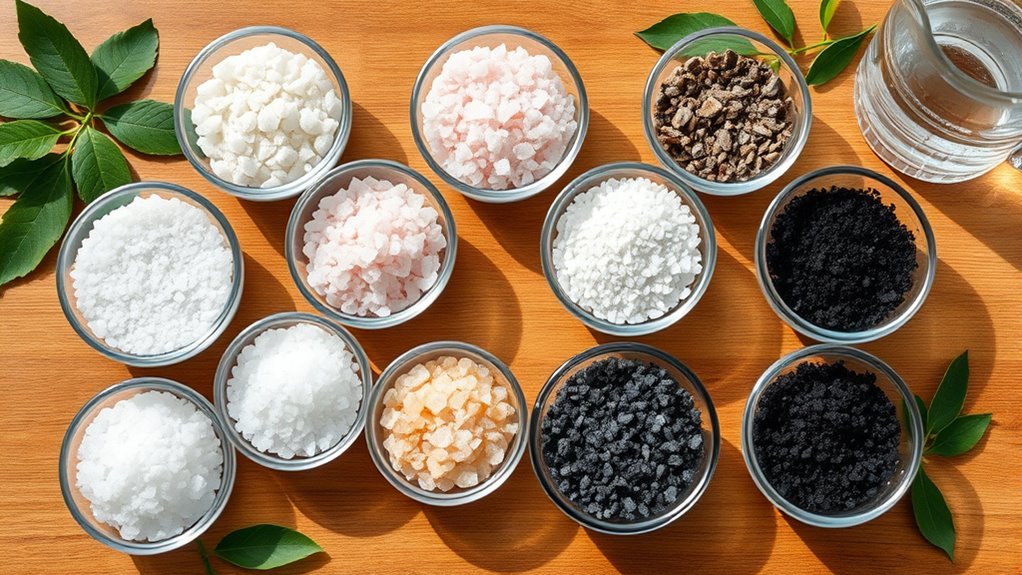
So, you’ve heard the wellness gurus. You’re adding salt to your water. Good for you! But now you’re staring at a grocery aisle of crystals, flakes, and rocks, feeling totally lost. Let’s fix that, friend.
Why on earth are we doing this?
First, the big secret: it’s not about taste. It’s about electrolytes. Plain water is a bit like a boring phone call—it gets through, but nobody’s excited.
A pinch of salt helps your body actually absorb the water. It keeps you hydrated, stops that afternoon brain fog, and might even save you from leg cramps during a hike. Think of it as giving your water a pair of tiny, helpful legs.
Must Read
But slap any old salt in there, and you’re asking for trouble. You don’t want to drink something that tastes like a forgotten pretzel. Let’s break it down.
The Usual Suspects: Table Salt vs. Sea Salt
Table salt is the villain here. It’s heavily processed, bleached white, and jam-packed with anti-caking agents. These chemicals are great for keeping your shaker dry, but terrible for your glass of water.
It also usually has added iodine (good for your thyroid, bad for flavor). In water, table salt tastes sharp and metallic. Like licking a battery. Don’t do it.
Sea salt is a step up. It’s less processed, and retains tiny bits of ocean minerals. That sounds romantic, right? But here’s the kicker: not all sea salt is equal.
Cheap sea salt can be gritty. It might leave white sludge at the bottom of your cup. You want it to dissolve like a magic trick, not a science experiment.
The Rock Star: Pink Himalayan Salt
Ah, the Instagram darling. Pink Himalayan salt is massively popular for good reason. It’s mined from ancient sea beds, contains 84 trace minerals, and looks gorgeous in a grinder.
In water, it gives a slightly mellow, sweet-savory taste. No metallic zing. Just a gentle hint of “ooh, this is fancy.” It dissolves well, too. Bonus: it makes your water look like it has a tiny, rosy sunrise inside.
But here’s a quirky fact: most “Himalayan” salt actually comes from Pakistan. The Himalayas are just the marketing team. It’s still legit salt, but now you know the secret handshake.
The Weirdo: Celtic Grey Sea Salt
This stuff looks like damp sand. It’s grey, moist, and smells vaguely of the ocean. Don’t be scared. It’s the punk rocker of salts.
Celtic salt is hand-harvested from clay-lined ponds in France. It retains magnesium and calcium like a champ. In water, it tastes very mineral-forward. Some say “earthy.” Others say “like licking a seashell.” It’s an acquired taste.
If you want a moody, complex water experience, this is your salt. If you just want hydration without a lecture, maybe skip it. But share it with friends just to see their faces.
 Why Add Salt to Water Softeners? | Culligan Mechanicsburg
The Dark Horse: Redmond Real Salt
This is the underdog champion. Mined from an ancient seabed in Utah (yes, Utah, far from the ocean), it’s unrefined and packed with minerals. It has a pinkish-orange hue from iron and clay.
Why is it a winner? It dissolves instantly. No waiting. No grit. The taste is round and clean, with a tiny hint of sweetness. It’s like the salt equivalent of a golden retriever: friendly, reliable, and makes everything better.
Many hydration fans call it the secret weapon. It’s also the most consistent for daily use. Your water will taste good, not weird. That’s the dream.
The Gravy: Flake Salt (No, Just No)
Please, for the love of hydration, do not use flake salt. Maldon sea salt flakes are amazing on a steak. They are a nightmare in water.
Flake salt is designed to crumble on food, not dissolve. In water, it floats. It looks like tiny icebergs. Then it sits on your tongue like a tiny, salty diamond. It’s jarring. You’ll choke. Stick to the fine grains.
So, what do you actually buy?
Here’s the punchline. Go with fine-grained Pink Himalayan salt or Redmond Real Salt. They are the reliable friends who show up to your hydration party.
Buy it in a grinder or a bag. Grind it yourself so it’s fresh. Store it in a salt cellar, not a shaker (shakers are for table salt, remember?).
Pro tip: Add a tiny pinch to a big glass of water. Like, between your thumb and forefinger. Too much and you’ll taste the Dead Sea. Too little and you’re just pretending. Find your sweet spot.
The Quirky Bonus Round
Did you know ancient Romans valued salt so much they used it as soldier pay? That’s where the word “salary” comes from. You are literally paying yourself with good hydration when you add salt.
Also, many athletes swear by salt + lemon + warm water first thing in the morning. It’s like a tiny alarm clock for your digestion. The lemon cuts the salt’s edge, and the warm water feels like a hug.
One more wild fact: researchers found that adding a tiny amount of salt to drinking water can increase its electrical conductivity. Your body runs on electricity. So you’re basically giving your cells a little battery boost. Mind-blowing, right?
So go ahead. Next time someone offers you plain water, look them in the eye, whip out your fancy pink or red salt, and give it a pinch. You’re not just drinking water anymore. You’re drinking science, history, and a little bit of ancient seabed. Cheers to that.
