Can Drinking Too Much Water Make You Vomit

You’re doing everything right. You’ve got your reusable water bottle, you’re hitting those wellness goals, and you’re determined to stay hydrated. But then, halfway through yo...
You’re doing everything right. You’ve got your reusable water bottle, you’re hitting those wellness goals, and you’re determined to stay hydrated. But then, halfway through your third liter, your stomach starts churning. You feel queasy, and before you know it, you’re running for the bathroom. Can drinking too much water actually make you vomit? The short answer is yes, and it’s more common than you think.
The Science of Over-Hydration
Your body is a brilliant machine, but it has limits. When you drink water faster than your kidneys can process it—roughly one liter per hour—the excess fluid dilutes the sodium in your blood. This condition, called hyponatremia, throws your cells into disarray, and your stomach is often the first to rebel.
Think of it like your body’s emergency brake. Nausea and vomiting are protective reflexes, your brain’s way of saying, “Too much, stop now!” It’s the same mechanism that makes you sick after a night of heavy drinking—your system is trying to restore balance.
Must Read
A fun fact: the average adult stomach holds about one to two liters of fluid. Chugging a full gallon jug in twenty minutes? That’s like trying to park a bus in a compact car spot. Your stomach stretches, triggers stretch receptors, and—boom—you vomit.
When Hydration Becomes Hype
We’ve all seen the influencer who carries a half-gallon jug stamped with motivational quotes. But the “more is better” mentality can backfire. In 2007, a California woman died after drinking two gallons of water in a few hours during a radio contest, a tragic reminder that water, like anything, has a threshold.
Here’s the kicker: you’re probably not that extreme. Most people who vomit from water are pushing their limits during workouts or after a bout of illness. Ever tried to “flush out” a hangover with a liter of water on an empty stomach? Your gut will likely reject it, leaving you worse off.
Your body is smarter than Instagram advice. It signals thirst before it signals nausea. So, when you feel that slosh in your stomach while jogging, take a break. Drinking to “catch up” on hydration is a myth—you need to sip, not guzzle.
Practical Tips to Stay Sane (and Safe)
First, listen to your body. The golden rule is to drink when you’re thirsty. Your kidneys can handle about 0.8 to 1 liter per hour, so pace yourself. If you’re exercising, aim for small sips every 15–20 minutes instead of finishing a bottle in one go.
Second, mix it up. Plain water can become boring, and that boredom might lead to over-drinking. Add electrolytes—a pinch of salt, a squeeze of lemon, or a sugar-free tablet—especially if you’re sweating. Electrolytes help your body absorb water without diluting your sodium levels.
Third, check your urine color. Pale yellow is perfect, clear means you may be overdoing it, and dark amber means you’re dehydrated. It’s a simple visual cue that works better than counting ounces.
A Cultural Context: The World’s Water Habits
In Japan, people often sip small amounts of tea or water throughout the day, rarely a full glass at once. Contrast that with Western wellness culture, where bottomless water bottles are a status symbol. The Japanese approach respects the stomach’s capacity, while the West treats hydration like a competitive sport.
Even the science supports moderation. A 2016 study in the Clinical Journal of Sport Medicine found that marathon runners who drank at every aid station were more likely to vomit than those who relied on thirst. Your body knows what it’s doing—trust it.
 Symptoms of water intoxication : r/healthdisscusion
And here’s a pop culture nod: remember the movie Avatar where Jake Sully almost drowns in a rainstorm? That’s essentially what over-hydration feels like—your cells swelling from the inside. Not quite blue aliens, but equally uncomfortable.
When Vomiting is a Warning Sign
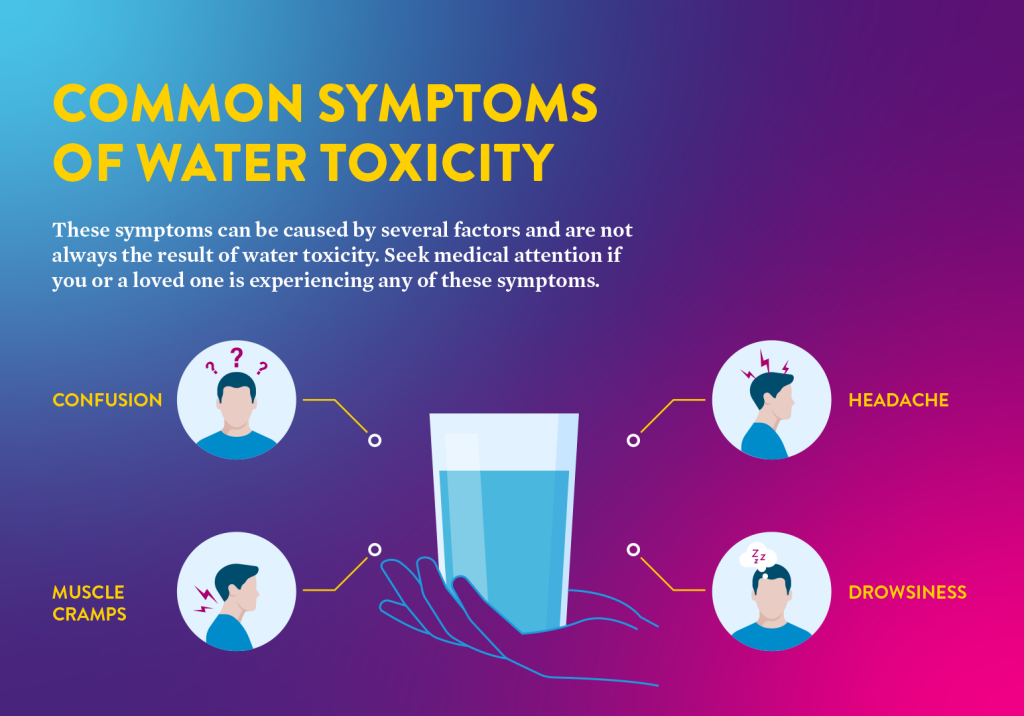
If you vomit once after a water binge, you’re likely fine. Your body just hit the eject button. But if you experience confusion, dizziness, or muscle weakness alongside nausea, you might be dealing with severe hyponatremia. This is rare but dangerous—it can lead to seizures or coma.
Don’t panic. Most cases are mild and resolve once you stop drinking water for an hour. Eat something salty, like pretzels or a bowl of soup, to help pull sodium back into your bloodstream.
A quick tip: avoid drinking pure water immediately after diarrhea or vomiting. You need electrolyte-replacement drinks (like Pedialyte) instead. Plain water will only dilute more, prolonging the misery.
The Silly Side of Over-Hydration
Let’s be honest—there’s something funny about the irony. You hydrate to feel great, and end up hugging a toilet. It’s like ordering a salad and getting food poisoning—victory turned into defeat.
In fact, the internet is full of memes about people who “waterlogged” themselves at spin class. One viral TikTok shows a fitness influencer puking mid-sprint after chugging a bottle. Her caption: “I was just trying to be healthy.” It’s a cautionary tale with a side of humor.
Even the word “water” feels different now, right? It’s no longer innocent—it’s a potential menace. But don’t fear your tap; just respect its power.
A Final Reflection for Your Daily Life
Next time you reach for that bottle, pause. Ask yourself: Am I thirsty, or am I following a rule? Hydration shouldn’t feel like a chore or a competition. The goal is balance, not obsession.
Think of water as a partner, not a taskmaster. Sip it when you’re walking, drink it with meals, but never force it. Your body will thank you—no sloshing, no nausea, just quiet relief.
So, yes, you can throw up from too much water. But with a little mindfulness, you’ll stay hydrated, happy, and—most importantly—upright.
