Salt-based Water Softener With Iron Filter

So, my uncle Bob had this well water that tasted like someone had licked a rusty anchor and then gargled with chalk. He’d proudly serve me a glass, and I’d smile, pretending m...
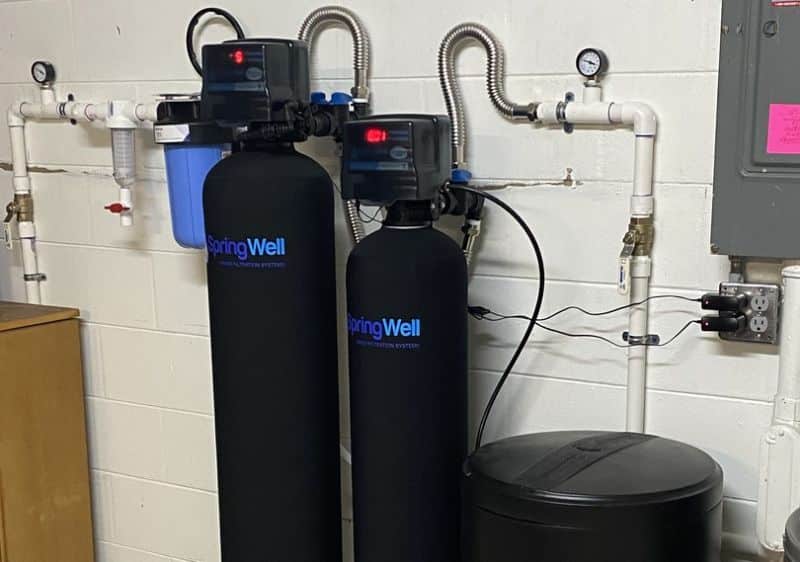
So, my uncle Bob had this well water that tasted like someone had licked a rusty anchor and then gargled with chalk. He’d proudly serve me a glass, and I’d smile, pretending my mouth wasn't turning into a desert. Then his white shirts started turning a lovely shade of "dried mud," and his wife put her foot down. That’s when the local plumber, a guy named Sal who smelled like pipe tobacco and certainty, introduced us to the salt-based water softener with an iron filter. Bob bought one, and suddenly, his water tasted like… well, like water. His shirts stayed white, and his wife stopped glaring at the laundry room.
What in the Heck Are You Actually Buying?
Let’s be real: the name sounds like a kitchen appliance from a sci-fi movie. But trust me, it’s simpler than your coffee maker. You’ve got two villains in your tap: hardness (calcium and magnesium) and iron (that metallic taste and those rust stains). A standard softener only tackles the first one. The combo unit? It’s like a tag-team wrestler who takes down both opponents.
The iron filter part uses a special media (like tiny, sophisticated sponges) to grab the iron particles. Then the salt-based softener swaps the calcium and magnesium for sodium ions. Boom. Clean, stain-free, and tasty water. It’s a one-box solution that saves you from buying two separate machines and a headache.
Must Read
But Wait, It’s Not All Rainbows and Soft Towels
Here’s the ironic part: the salt you’re using to fix your water can annoy your pipes if you’re on a septic system. Some local codes get twitchy about it, too. But for 95% of homeowners, it’s the best bang for your buck. You’ll also have to lug those 40-pound bags of salt home from the grocery store. Consider it your monthly arm workout.
Another wrinkle: not all iron is the same. You might have "clear water iron" (invisible until it hits air) or "ferric iron" (those red flakes). A good combo unit handles both, but ask for a water test first. Don’t be that person who buys a Ferrari when a bicycle would do.
The Secret Sauce: Regeneration
Every few days, the system cleans itself in a process called regeneration. It flushes out the trapped iron and hardness with a salty brine. This is the part where you might hear a gurgle or a hiss from your basement. Don’t panic. That’s just your water softener taking a power-nap. It’s totally normal.
Some newer models are "demand-initiated," meaning they only regenerate when they actually need to. This saves you salt and water. Others are on a timer. If you’re forgetful like me, get the smart one. It’ll text you if it’s feeling thirsty for salt. I’m not kidding—mine sends a notification to my phone.
Is It Worth the Chaos?
Honestly? If you’ve got orange-brown stains in your toilet bowl or your hair feels like straw after a shower, yes. A thousand times yes. Your skin stops itching, your dishes stop looking spotted, and that weird metallic taste disappears. Uncle Bob now brags about his water to anyone who’ll listen. It’s his party trick.
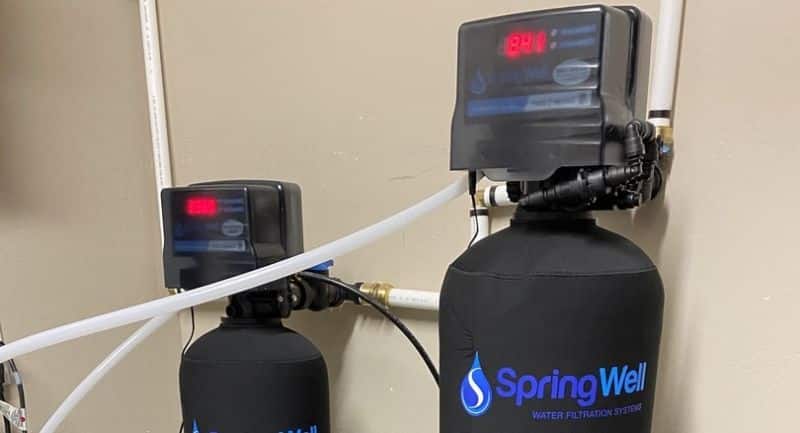 6 Best Water Softeners for Well Water with Iron (February 2023)
The cost? Initial purchase and installation can run you $1,500 to $3,000. Plus salt refills. But compare that to the money you’ll save on plumbing repairs, new clothes, and bottled water. Your water heater will also live longer, because hard water doesn’t coat its insides with scale. It’s a silent hero in your utility room.
Maintenance: Death by Small Details
Once a year, you’ll need to dump a cleaner into the brine tank to prevent something called "mushrooming"—when the salt clumps into a solid, evil mass. It’s not hard, but you have to remember. Also, clean the venturi valve (the little plastic part that sucks in brine) every six months. Ignore it, and your system will throw a tantrum and stop working.
Oh, and keep the salt level at least half-full, but never so full that it hits the water. That’s just common sense, but common sense isn’t always common. I’ve learned this the hard way, standing in my socks on a wet basement floor.
The Verdict from Your Ironic Friend
A salt-based water softener with an iron filter is like having a bouncer for your pipes. It kicks out the riffraff (iron, calcium, magnesium) and lets the good stuff (soft, clean water) party. It’s not glamorous, but neither is scrubbing rust stains off your shower curtain at 10 PM on a Tuesday.
So, if your water tastes like you’re sucking on a penny, or if your laundry looks like it’s been mud-wrestling, take a page from Uncle Bob’s book. Get your water tested, buy the combo unit, and never look back. Your shirts (and your taste buds) will thank you. And hey, you’ll finally know what water is supposed to taste like: nothing. And that’s the best kind of taste.
