Reverse Osmosis Water Filter Tank Pressure

Let’s talk about the secret hero under your sink: the reverse osmosis water filter tank. Yeah, that weird metal balloon thing. It’s not just sitting there—it’s a pressure-powe...

Let’s talk about the secret hero under your sink: the reverse osmosis water filter tank. Yeah, that weird metal balloon thing. It’s not just sitting there—it’s a pressure-powered ninja. Seriously, this tank does the heavy lifting so you can sip that pure, crispy water. And it all comes down to one thing: air pressure.
Your Tank is a Balloon in a Can
Picture this. Inside your tank is a rubber bladder that acts like a water balloon. Outside that balloon is compressed air, like the air in a car tire. When water pushes in, the air squeezes back. The result? Perfect, instant water on demand. No pump, no electricity—just pure physics magic.
Here’s the weird part: your tank is basically a pneumatic spring. It stores energy by squishing air. When you open the faucet, that stored air shoves the water right out. Think of it as a water cannon, but polite and slow.
Must Read
The Magic Number: 7 to 8 PSI
Every tank has a sweet spot for air pressure. Most need 7 to 8 pounds per square inch (PSI) when empty. That’s it. Too high? Your faucet will dribble like a sad garden hose. Too low? You’ll get a trickle that takes forever to fill a glass. Precision matters, folks.
You can check it with a tire gauge. I’m not joking. Go grab the same tool you use for your car. Remove the tank’s blue cap, press the gauge on the valve, and read the number. Science is hilarious.
Why Your Tank Gets Tired (And Gassy)
Over time, the air in your tank escapes. It seeps out like a ghost. Blame the rubber bladder, which isn’t perfectly sealed. This is why your water flow gets slower every month. Don’t panic—it’s normal. Your tank just needs a burp.
To fix it, you need to “recharge” the air. Turn off your water supply. Open the faucet until it stops dripping. Now, grab a bike pump or air compressor. Add air to the valve until you hit that magic 7-8 PSI. Then turn the water back on. Boom—instant flow again.
There’s a funny side effect: when you add air, water might spurt out the faucet. It’s the tank clearing its throat. That’s fine. Just let it finish its dramatic performance.
The Quirky Science of Water vs. Air
Here’s a mind-bender: water is non-compressible. You can’t squish water. But air? Air loves to compress. That’s why your tank uses air—it’s the only way to store pressure without a pump. Air is the unsung water hero. Without it, your faucet would just sit there, mocking you.
Also, did you know the tank’s pressure changes with temperature? If your kitchen gets cold, the air contracts. If it’s hot, air expands. This means your water flow can slow down on a chilly morning. It’s like your tank has seasonal mood swings. Cute, right?
Don’t Let It Freeze (Seriously)
Your reverse osmosis tank hates cold weather. If the water inside freezes, the expanding ice can rupture the bladder. That’s a $100 mistake. Also, the tank will make a sad clunking noise when you try to use it. Keep it somewhere above freezing—no garages in winter.
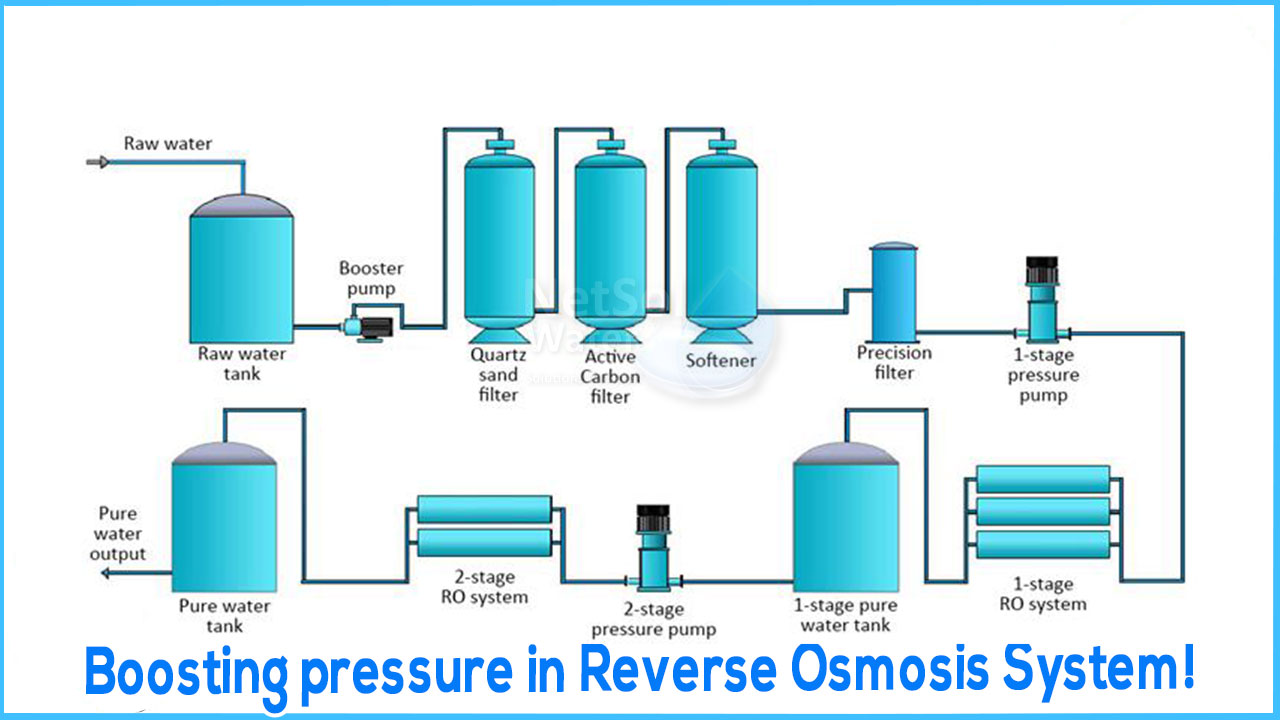 Boosting pressure in Reverse Osmosis Systems | NetsolWater
On the flip side, extreme heat can overload the pressure. If you leave your tank in a hot attic, the air expands too much. The safety valve might release a little water to protect itself. That’s a built-in party trick. Your tank is smarter than you think.
The Ultimate Quirk: It’s a Conversation Starter
Here’s the fun part: nobody expects you to know about tank pressure. At a party, drop this knowledge: “Did you know my water filter tank has a pressure valve?” Watch faces go blank. Then explain the tire gauge trick. You’ll be a legend.
Also, it’s a great way to impress plumber friends. Mention “PSI” and “bladder integrity” in the same sentence. They’ll nod with respect. Just don’t mention that you learned it from a guy with a blog. That’s your secret.
When to Replace (And When to Just Pump It Up)
Most tanks last 3 to 5 years. But if you notice metal denting or rubber smell in your water, it’s time for a new one. Also, if the valve is corroded, just say goodbye. You can’t fix a rusted valve with hope.
Otherwise, a simple air recharge works wonders. Do it every 6 months. Mark it on your calendar. Call it “Tank Sacrifice Day.” Dance a little when you’re done. Your glass of water will thank you.
One last tip: never over-pump. If you exceed 10 PSI, the water won’t fill properly. You’ll get half-empty glasses and a grumpy RO system. Moderation is key—even for air.
So, What’s the Takeaway?
Your reverse osmosis tank is a living, breathing machine. It huffs and puffs to give you water. Treat it with care. Give it air when needed. Protect it from weather. And always, always carry a tire gauge in your kitchen drawer. Why? Because curiosity is fun. Also, because now you can fix a slow faucet with a bicycle pump. That’s power. Go use it.
Now go check your tank’s pressure. I’ll wait. And when you hear that satisfying whoosh of full flow, smile. You just became best friends with a metal balloon.
