Commercial Reverse Osmosis System For Sale

So, you’re thinking about buying a commercial reverse osmosis system. Let me guess: you saw the price tag and your brain short-circuited, right? Relax. I’m here to explain why...
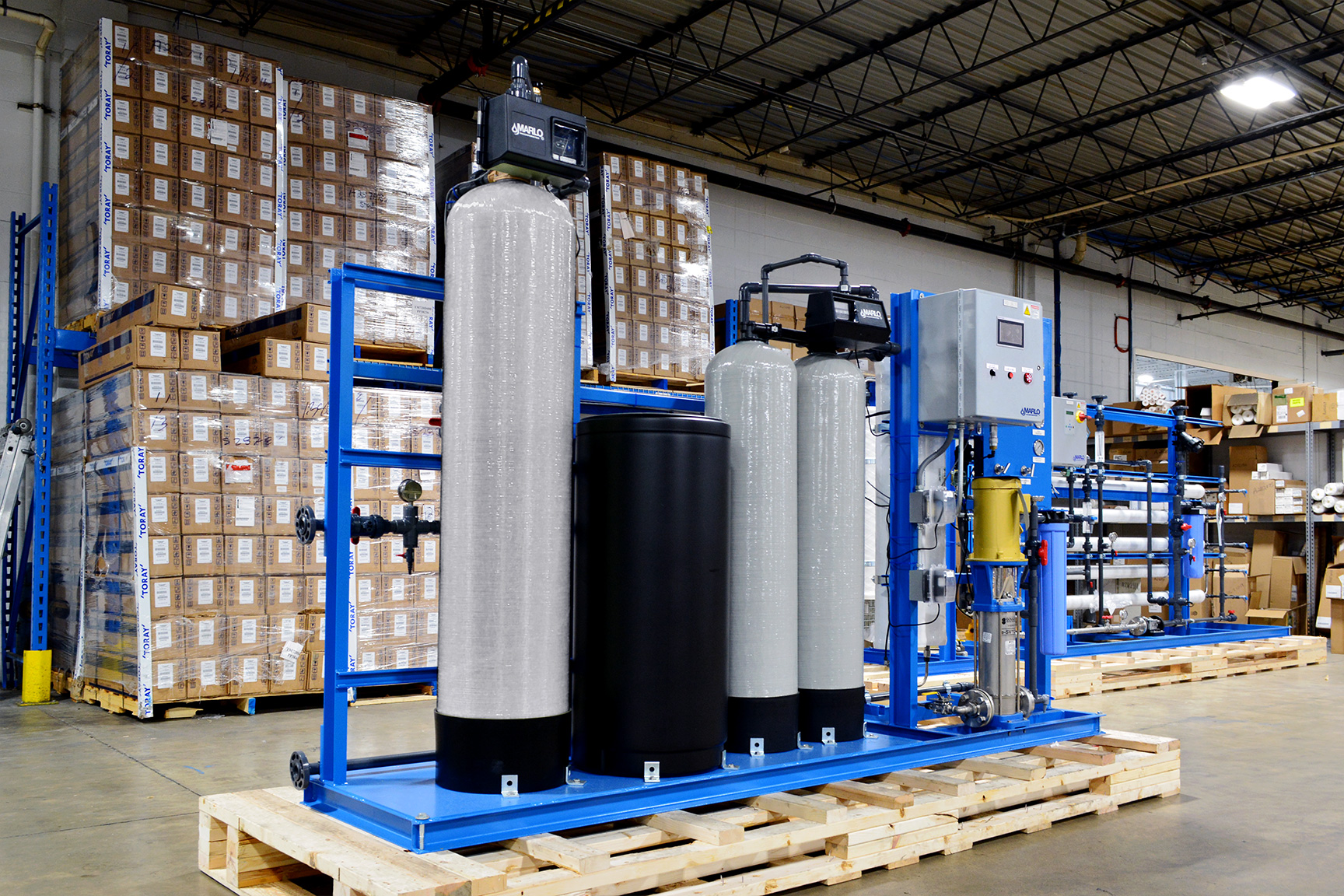
So, you’re thinking about buying a commercial reverse osmosis system. Let me guess: you saw the price tag and your brain short-circuited, right? Relax. I’m here to explain why this glorified, industrial-strength Brita filter is actually the funniest investment you’ll ever make—assuming you like jokes that involve plumbing and terrifyingly pure water.
What Even Is This Monster Machine?
Imagine a water filter that’s been hitting the gym since the Jurassic period. That’s a commercial RO system. It uses reverse osmosis, a process so aggressive it shoves water through a semi-permeable membrane at pressures that would make a fire hydrant weep.
Fun fact: the first RO systems were invented to desalinate seawater for the US Navy. So yes, you’re basically buying the same tech that once made ocean water drinkable for sailors. But instead of using it to survive a shipwreck, you’ll use it to make your iced coffee taste like a mountain spring.
Must Read
I’m not saying this system is powerful, but if you accidentally drop a goldfish in the feed water, it might come out as a diamond. (Please don’t test that. Fish ethics apply.)
Why Your Tap Water Is Basically Liquid Drama
You know that weird taste in tap water? That’s the ghost of a thousand municipal pipe adventures. Chlorine, lead, pesticides, and the occasional stray molecule of “what even is that?” — all hanging out in your glass.
A commercial RO system removes 99% of total dissolved solids. That includes things like fluoride, arsenic, and even the microscopic fear of your neighbor’s lawn chemicals. It’s so effective that the water becomes “aggressively pure”—meaning it will literally try to steal minerals from your pipes if you let it. You need to remineralize it afterward. Science is weird.
I once tested a cheap home filter against a commercial unit. The cheap one removed about 30% of the junk. The commercial one removed so much junk that the water started asking for a birth certificate to prove it was even H2O.
Who Actually Buys These Things? (Spoiler: Not Just Your Local Coffee Snob)
Sure, coffee shops buy them to make espresso that tastes like angel whispers. But also: breweries, ice makers, car washes, and hydroponic weed growers. No judgment—everyone wants clean water.
Here’s a jaw-dropper: a single commercial RO unit for a small coffee shop can produce hundreds of gallons per day. That’s enough water to drown your entire extended family reunion in crystal-clear refreshment. You’d be the hero of July 4th. “Uncle Bob, try this water—it doesn’t taste like regret and lawn fertilizer.”
And the price? A decent commercial system runs from $1,500 to $10,000. That sounds insane until you realize bottled water costs more per gallon than gasoline. Over two years, this machine pays for itself—and you never have to carry a 24-pack of Dasani up three flights of stairs again.
The Installation: A Comedy of Pipe Errors
Installing one of these is not a DIY job for the faint of heart. You need a drain line, a feed water line, and a storage tank the size of a beer keg. Plus, the system produces wastewater. Yes, for every gallon of pure water, it flushes 2-4 gallons of “concentrate” down the drain. That’s not a bug—it’s a feature.
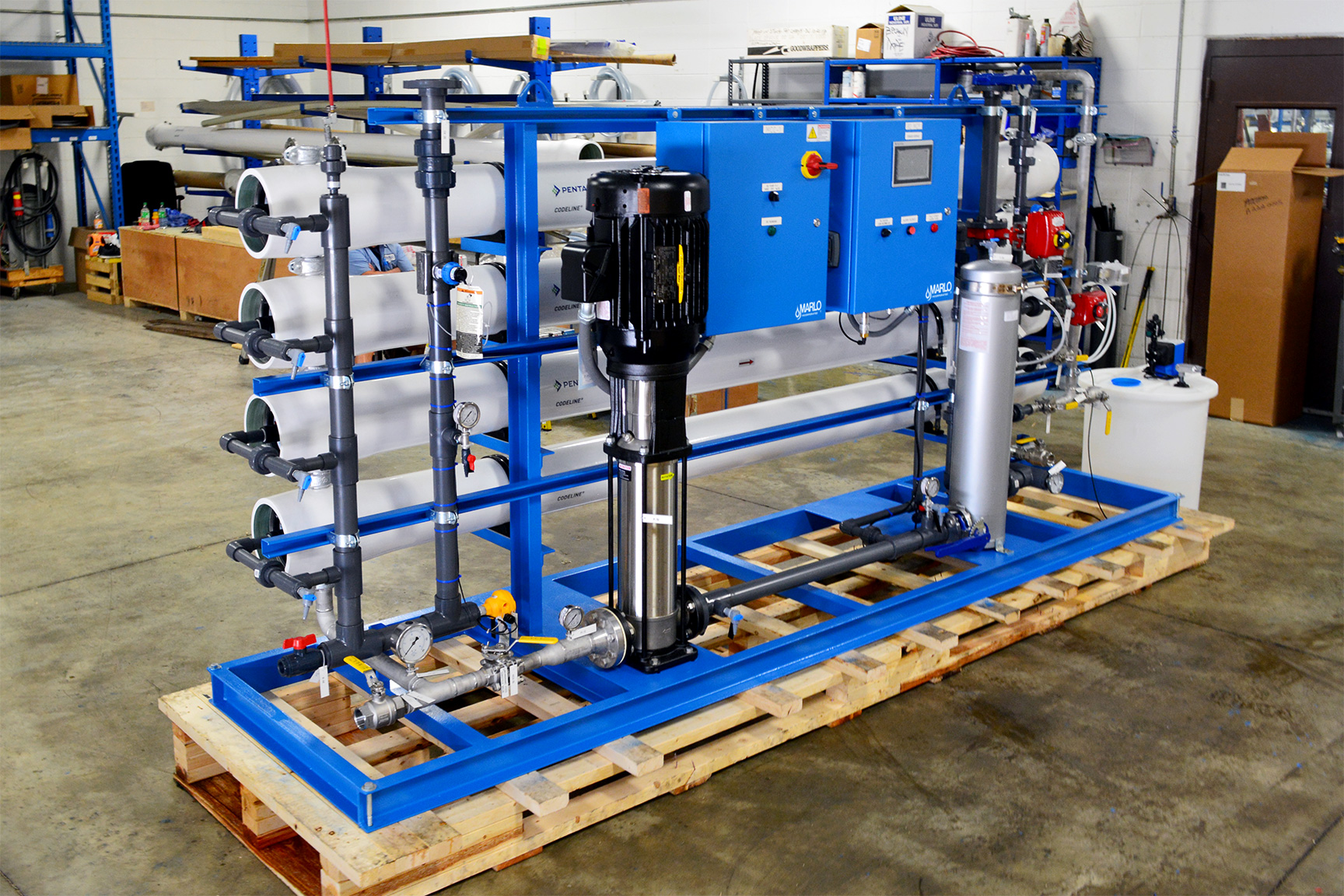 50 GPM Reverse Osmosis Skid | MARLO
You’ll feel like a plumber who minored in rocket science. But once it’s running? Pure satisfaction. You can fill a glass, stare at it, and whisper, “I have defeated the city water supply.”
One installer told me he once found a system that had been running for three years without maintenance. The membrane looked like it had been used to filter a swamp. It still worked at 95% efficiency. These things are tanks.
The Surprising Fact That Will Impress Nobody at Parties
RO systems can also remove microplastics. Scientists recently found plastic fibers in 93% of bottled water brands. Your commercial RO system will catch those sneaky little bastards like a bouncer at a club for molecules.
Also: the membrane is so thin that a human hair is 500 times thicker. If you sneeze on it during installation, you might clog the whole thing. Wear a mask, you filthy mammal.
And here’s the kicker: many commercial units now come with UV sterilization built in. So not only do you get pure water, you get water that’s been hit with ultraviolet light that kills anything still alive. It’s like sending your water to a tanning bed for bacteria.
Should You Buy One? (Or Just Keep Throwing Money at Bottles?)
If you own a business that uses water—coffee, tea, ice, soup, beer, or that weird “alkaline water” trend—yes, buy one. You’ll taste the difference immediately. Literally. Your first sip will sound like angels choiring.
If you’re just a home user with a fascination for extreme purity? Well, you can buy a smaller home unit for $300. But if you want the commercial-grade flex—the one that makes your friends say, “Is this water from the future?”—go big. Install it in your garage. Brag about it at dinner parties.
Just don’t drink too much too fast. Pure water can actually leach electrolytes from your body. You’ll get a headache. And nobody wants to explain, “I got water poisoning from my industrial-grade water filter.”
So there it is: the commercial reverse osmosis system. It’s expensive, it’s overkill, and it wastes a bit of water. But it also makes your drinks taste like a lie—a beautiful, refreshing lie that says you live in a pristine mountain spring. And honestly? That’s a pretty good punchline.
