How Long Can Water Last In A Plastic Bottle

You've done it. You found a half-empty water bottle under your car seat. It's been there since the last ice age. Or at least since last summer. Now you’re staring at it, wonde...
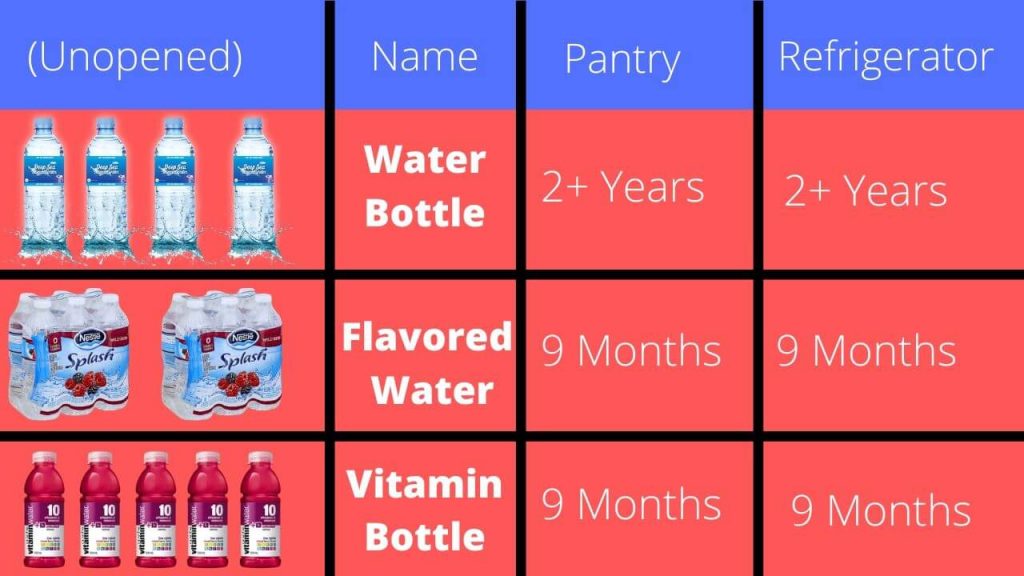
You've done it. You found a half-empty water bottle under your car seat. It's been there since the last ice age. Or at least since last summer. Now you’re staring at it, wondering: is this still water? Or has it become a science experiment?
Let's get one thing straight right now. Water itself does not expire. That’s right. H2O molecules are eternal party guests. They don’t spoil like milk. But your plastic bottle? That’s a different story.
The Real Villain: The Plastic
Your water's worst enemy isn't time. It's the bottle. Cheap plastic, especially when it gets warm, starts to “leach.” That’s a fancy word for plastic chemicals sneaking into your drink.
Must Read
You know that weird “plastic taste” in a hot water bottle? That’s antimony, a heavy metal, saying hello. It’s not poison in Hollywood doses, but it’s not exactly a spa treatment either.
The U.S. Food and Drug Administration considers sealed, plastic bottled water safe for up to two years. Two years. That’s longer than some celebrity marriages. But that’s only if it’s stored perfectly cool and dark.
The Clock Starts When You Open It
Here’s where it gets fun. A sealed bottle is a fortress. But the moment you pop that cap? The clock starts ticking. Your mouth is a zoo of bacteria. Every sip you take introduces new critters to the water party.
Within hours, those microbes start multiplying. They swim, they eat, they breathe. After a day or two, you’re not just drinking water. You’re drinking microbial soup. It won’t kill you, but it tastes like dirty pennies and regret.
Fun fact: If you share a bottle with a friend, you’re swapping about 80 million bacteria per sip. That’s more germs than a handshake with a door handle. Cheers!
The Temperature Trap
Did you leave that bottle in your car on a sunny day? Congratulations, you’ve created a plastic sauna. Heat speeds up chemical leaching like crazy. A hot bottle from a parked car is basically a chemistry experiment gone rogue.
Scientists found that bottles stored at 100°F (like a hot car) release double the antimony than cool ones. Double. Your water is now a light cocktail of plastic byproducts. Still technically safe? Probably. Tasty? Absolutely not.
And while we’re at it: Never freeze a plastic bottle, then thaw it, then re-freeze it. That plastic gets brittle. Tiny cracks form where bacteria can hide. It’s like giving germs a secret playground.
The Myth of "Forever" Water
You might think, “But I saw a documentary about ancient water trapped in ice for thousands of years!” True! But that water was sealed in a natural vault, not a $0.50 plastic bottle from a gas station. Your bottle is porous. Over time, air sneaks in. Oxygen changes the taste. Flat, stale water is a real thing.
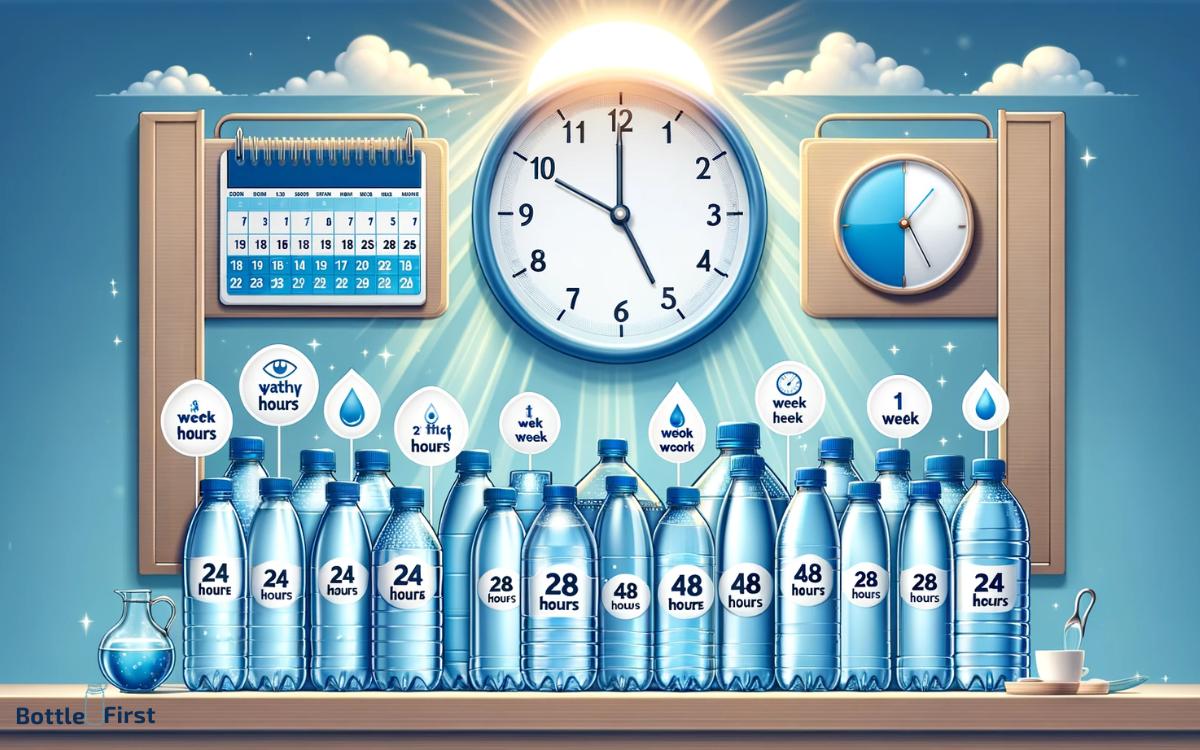 How Long Can You Keep Water In Plastic Bottles at Albert Hoopes blog
Even worse: If you see green or brown slime floating in your bottle? That’s algae. Yes, algae can grow in bottled water if it gets sunlight. You’ve created a tiny pond. A sad, slimy pond.
Quirky fact: In 2016, a 100-year-old bottle of Perrier was found in a shipwreck. Divers opened it. The water was still carbonated. But that water was glass-sealed, not plastic. Glass is the king. Plastic is the court jester.
So, What’s the Magic Number?
For unopened plastic bottles: Stick to two years from the stamped date. After that, it’s not poison—it’s just sad. The taste gets worse. The chemical risk inches up.
For opened bottles: Drink it within a few days. Yes, days. Not weeks. If it’s been sitting on your desk for a week? Pour it out. It’s not water anymore. It’s a breeding ground for your mouth bacteria’s grandkids.
One exception: If you store it in the fridge? That slows bacterial growth. You might stretch opened water to a full week. But still—smell it first. If it smells like a wet sock, don’t drink it.
The Hidden Danger: BPA-Free Bottles
You bought the trendy BPA-free bottle. Good for you! But here’s the twist: Many BPA-free plastics are made with BPS or BPF. Guess what? Studies show these might be just as bad as BPA. Sometimes worse. The plastic industry is a game of chemical whack-a-mole.
So is there any water that lasts forever? Yes: pure, distilled water in a glass bottle, sealed in a dark cave. Basically, Viking water. But you live in a modern apartment. So just drink your water fresh.
Final thought: Water is the universe’s coolest molecule. Respect it. Don’t let it rot in a plastic coffin under your driver’s seat. Give it a proper life. Drink it cold. Drink it clean. And never, ever taste the “car bottle” from two winters ago.
Now go fill a fresh glass. Your taste buds will thank you. Your plastic bottle? It’s had enough adventure.
