Is It Common To Have Coliform In Well Water

So, you just tested your well water. And bam. Coliform bacteria showed up. Cue the panic, right? Before you freak out, let’s talk. Turns out, coliform in well water is crazy c...

So, you just tested your well water. And bam. Coliform bacteria showed up. Cue the panic, right? Before you freak out, let’s talk.
Turns out, coliform in well water is crazy common. Like, almost a rite of passage for well owners. You’re not alone.
Think of coliform as the rude houseguest of the water world. It’s not always dangerous, but it definitely overstays its welcome. We’re about to get cozy with this little bug.
Must Read
The Great Coliform Confusion
First up: What is coliform? It’s a group of bacteria that lives in soil, plants, and animal guts. Gross, but true.
Here’s the kicker: Most coliform is harmless. It’s like finding a ladybug in your salad. Unpleasant, but not a crisis.
But it’s a signal. A tiny red flag waving “Hey, your well might have a leak!” That’s the part to watch.
Why Is It So Common?
Your well isn’t a sterile laboratory. It’s a hole in the ground. Rain, runoff, and critters all play a part.
Think about it: A raccoon sneezes near your well cap. A heavy rain washes soil into a crack. Boom—coliform central.
Studies show that up to 40% of private wells have coliform at some point. That’s four out of ten neighbors. Yep, your water is social.
The Quirky Party Facts
Here’s where it gets fun. Coliform bacteria love warm weather. Your water gets cozier in summer, and they throw a dance party.
Also, they’re incredibly tough. Some can survive in ice or boiling water (briefly). They’re like the cockroaches of the microscopic world. Indestructible party animals.
And get this: A single drop of contaminated water can host millions of coliform. You’d never see them. They’re invisible freeloaders.
Not All Coliform is Created Equal
There’s a distinction you need. Regular coliform is the annoying cousin. Fecal coliform (from poop) is the actual villain.
If your test shows E. coli specifically—that’s the mean one. It means something warm-blooded (like a deer or your dog) used your well as a bathroom. Rude.
But most coliform is just “total coliform.” It’s a heads up, not a death sentence. Think of it as a curiosity call.
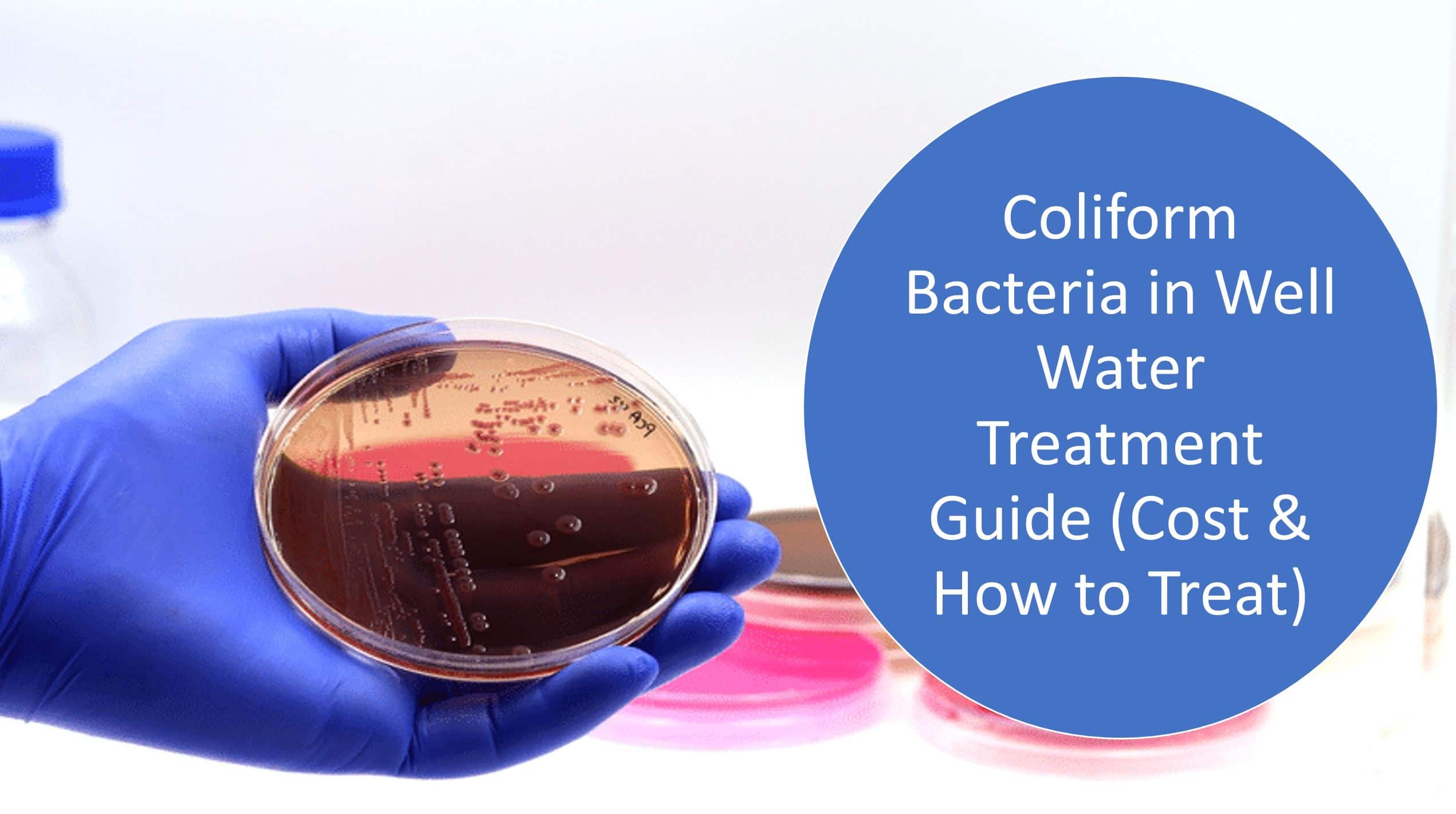 Coliform In Well Water – Coliform Bacteria in Drinking Water Supplies
Why You Shouldn’t Ignore It (But Also Not Panic)
Let’s be real. This is fun to talk about because it’s so weird. Your water has a secret life. It’s a little ecosystem under your feet.
The main risk? If coliform gets in, other nasties might too. Like viruses or parasites. But mostly, it’s just a sign your well needs a tune-up.
So, is it common? Emphatically yes. It’s as common as finding a spider in your basement. Startling, but usually manageable.
The Fix is Easier Than You Think
You don’t need to burn your house down. First, retest. Sometimes it’s a false alarm from a dirty sample jar. Rinse better.
Next, shock chlorinate your well. That’s a fancy way of saying “dump bleach in there and flush it out.” It’s oddly satisfying. Like giving your well a spa day.
Also, check your well cap. A loose or cracked cap is an open door for critters. A squirrel might have thrown a party on your wellhead. Seal it up.
The Fun Fact Finale
Here’s the punchline: Coliform is the gossip of the water world. It shows up, spreads rumors, but rarely causes real trouble. You just need to shoo it away.
And if you think your water is perfectly clean? Think again. All groundwater has something living in it. You’re not drinking sterile liquid. You’re drinking a community.
So next time you test positive for coliform, don’t panic. Smile. You’ve just joined the secret club of well owners. We keep our water weird. And we love it.
Final Quirky Reminder
Remember: You share your water with the Earth. That’s precious. And a little coliform? It’s just nature’s way of saying hello.
Just say hello back—and then kick it out with a good chlorination. Your water will thank you. And so will your raccoon neighbors.
Now go drink that perfectly safe, coliform-free glass of water. Or better yet, test it again. Because curiosity never killed the well owner—it just made their story way more interesting.
