Can You Get Sick By Drinking Too Much Water

So, my friend Dave—you know the type, always trying to optimize his life—decided to crush a gallon of water before his morning run. “Hydration is key,” he announced, gulping d...
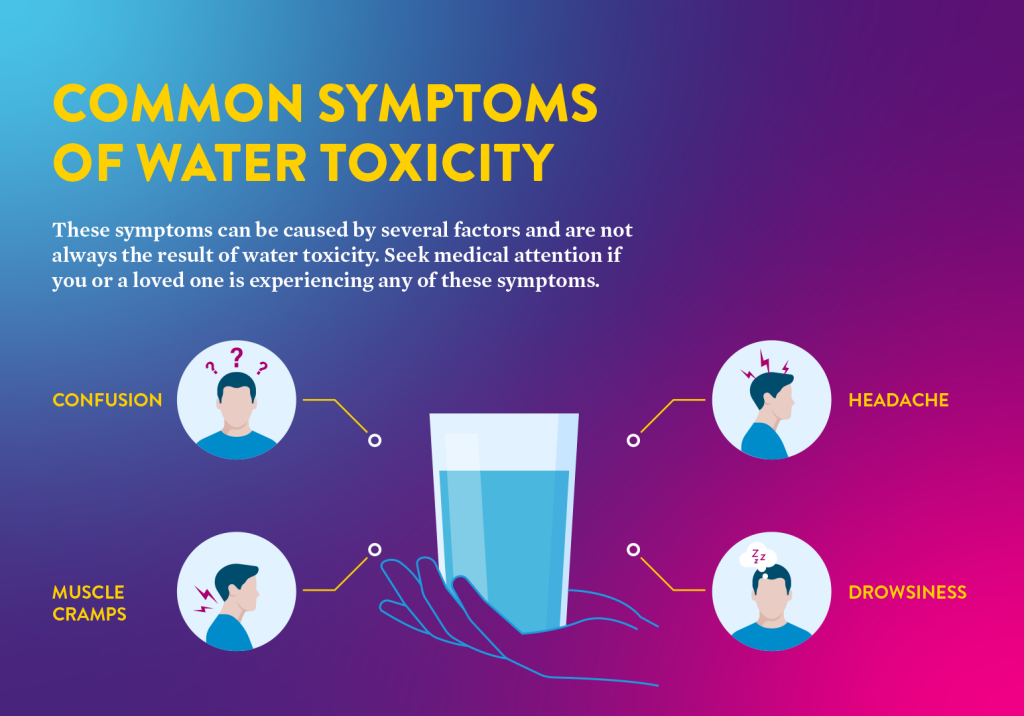
So, my friend Dave—you know the type, always trying to optimize his life—decided to crush a gallon of water before his morning run. “Hydration is key,” he announced, gulping down the last liter like a frat boy chugging cheap beer. Two miles in, he felt dizzy, nauseous, and his head pounded like a hangover from hell. He ended up sprawled on a park bench, wondering if he was dying from the very thing that was supposed to save him.
Dave’s story isn’t a cautionary tale about overzealous health trends; it’s a dead serious lesson in overhydration. Yes, you can absolutely get sick—and really sick—by drinking too much water. The medical term is hyponatremia, which sounds fancy but basically means you’ve flushed the salt right out of your blood like a clogged drain (ironic, right?).
Here’s the weird science part, and I promise to keep it painless. Your body runs on a delicate balance of water and electrolytes—sodium being the big boss. When you chug more water than your kidneys can pee out (roughly a liter per hour in most people), the sodium in your blood gets diluted. Think of it like adding too much water to a cocktail: suddenly, everything tastes like nothing, but with your cells, bad things start to happen.
Must Read
What actually happens when your cells freak out?
Without enough sodium, water starts sneaking into your cells, including your brain cells. And brain cells don’t like to stretch—they’re not yoga enthusiasts. As they swell, your skull (which is a fixed box, by the way) starts squeezing them, causing symptoms you’d probably dismiss as “just a bad day.”
First comes the headache, then nausea, confusion, and that “I’m about to pass out” feeling—exactly what Dave experienced. If left unchecked, you can hit seizures, coma, or even death. Yes, death by water. It’s like nature’s cruel joke: the thing that sustains you can also drown you from the inside.
So how much is too much?
There’s no magic number that fits everyone, which is annoying, I know. But a good rule of thumb? If your pee is clear as tap water and you’re peeing every 15 minutes, you’re overdoing it. Healthy urine should look like pale lemonade—not a swimming pool. And if you start feeling sloshy or nauseous during a water challenge, stop and eat something salty (potato chips are actually a medical intervention here, and I’m not joking).
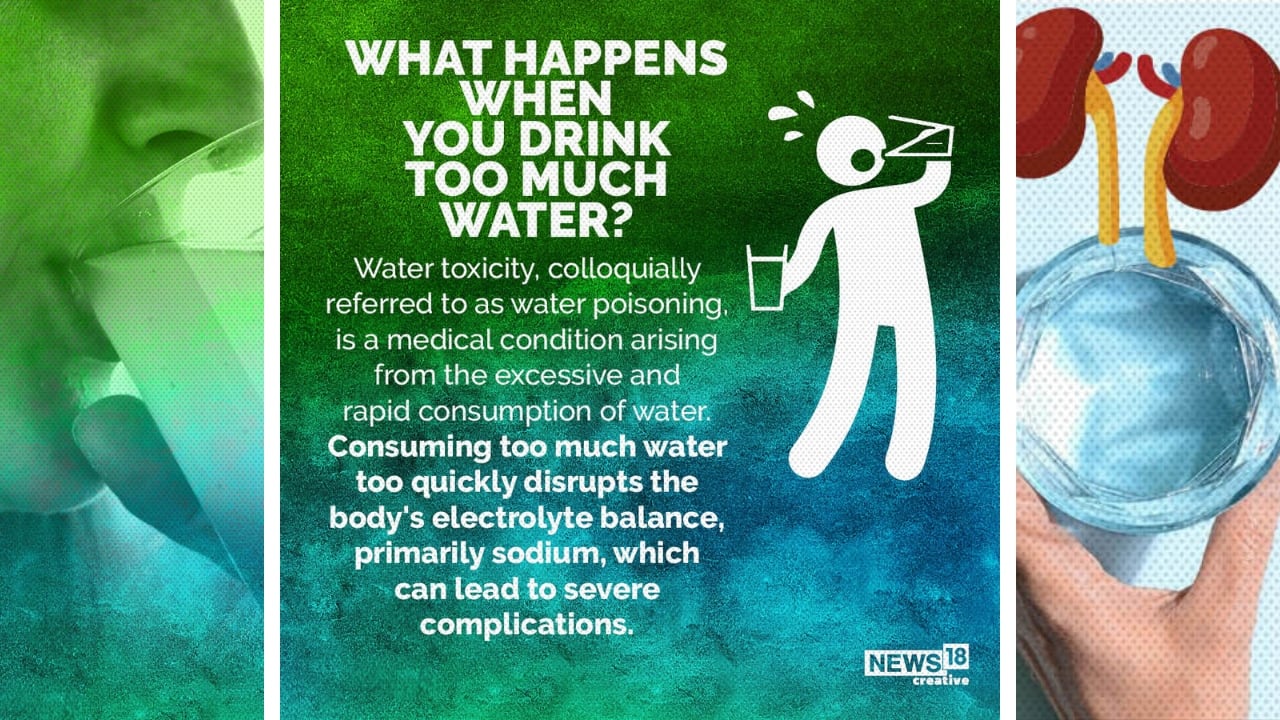 Water Intoxication Symptoms
Most people who get into trouble are endurance athletes, party-goers on ecstasy (which makes you thirsty), or well-meaning health nuts like Dave. They think, “More water = more health,” but your body isn’t an unlimited sponge. It’s a precision instrument, and it hates extremes.
The real kicker: your thirst is smarter than you think
Here’s where I get a bit philosophical. We’ve been trained to believe that if you’re not chugging water constantly, you’re dehydrated. But evolution gave you a thirst mechanism that’s remarkably efficient. If you’re not thirsty, don’t drink. If you’re exercising and sweating buckets, sure, have some water—but toss in electrolytes (or just eat a banana with salt). Otherwise, you’re setting yourself up for a headache that no painkiller can touch.
Dave ended up fine after a salty snack and a few hours of rest, but he learned a hard lesson: moderation isn’t boring, it’s survival. So the next time someone tells you to “drink eight glasses a day” without asking how much you weigh or sweat, take it with a grain of salt—literally. Your body will thank you, and you won’t end up on a park bench, questioning your life choices.
Stay hydrated, but don’t get drown-dated. And please, please don’t try to win those “gallon of water in an hour” challenges you see on social media. That’s just a race to the hospital, and nobody looks cool with an IV drip.
