How Often To Replace Salt In Water Softener

Let’s be honest: your water softener is the unsung hero of your home. It’s that quiet, slightly bulky appliance in the garage or basement that saves your hair from feeling lik...

Let’s be honest: your water softener is the unsung hero of your home. It’s that quiet, slightly bulky appliance in the garage or basement that saves your hair from feeling like straw and your dishes from looking like a Jackson Pollock painting. But every hero needs fuel—and for your softener, that fuel is salt. The million-dollar question, asked around dinner tables and in DIY forums alike, is this: How often should you replace it? Relax, we’ve got the scoop, and it’s way less stressful than you think.
The short answer (because we all love one)
You don’t actually need to “replace” the salt entirely unless you’ve let it turn into a solid, geological nightmare—a phenomenon known as salt bridging. Usually, you just refill the brine tank. Aim to check it once a month, and top it off when the salt level drops below half full. For a typical household, that means adding a bag or two every four to six weeks.
Think of it like a French press coffee routine: you don’t dump the old grounds every week unless they’re moldy, you just add fresh beans as needed. But if you’ve ignored your softener for three months straight—and let’s be real, we’ve all been there—you might need a full reset. A bridge of hardened salt can form, blocking water flow, and that’s when a full cleanout becomes your weekend project.
Must Read
Signs your salt is crying for help
Your water will tell you everything if you just listen. Are your soap suds looking sad and wimpy? Is there a faint metallic smell when you shower? That’s your softener whispering, “Hey, I’m out of juice.” The first sign is often hard water spots on glassware—those cloudy, white flecks that scream “mineral party.” Another tell: your water pressure drops, or the softener makes a grinding noise like a hipster coffee grinder. At that point, don’t panic—just grab a bag of salt and a flashlight.
Pro tip: mark your calendar for the first of every month. Pair it with your rent payment or your favorite podcast release—makes it a ritual, not a chore. Even Marie Kondo would approve of a tidy, well-stocked brine tank.
Cultural flex: Salt is ancient tech
Fun fact: humans have been softening water with salt for centuries—the Romans used volcanic ash and a primitive salt rinse to keep their aqueducts clear. Your modern softener is basically a high-tech version of that Roman water-softening hack, just with a lot less toga-wearing. And salt itself? It’s been a currency, a preservative, and a status symbol. You’re basically using precious mineral wealth to make your shower feel like a spa. That’s power, baby.
But here’s the kicker: not all salt is created equal. You’ve got your solar salt (fancy, evaporated from ocean water), rock salt (cheap, but leaves a muddy residue), and evaporated salt (pure, like a minimalist’s dream). Your softener doesn’t care about street cred—it just wants pellets that dissolve cleanly. Avoid the block-shaped “salt cubes” unless your machine specifically asks for them; they can cause bridges faster than a traffic jam in Los Angeles.
Practical timing for real life
In a family of four, with two showers and a dishwasher that runs nightly? You’re looking at a refill every three to four weeks. Solo and only use the softener for drinking water? You might stretch to eight weeks. The trick is to match your salt refill schedule to your water usage, not the calendar. If you host Thanksgiving and suddenly your house is full of guests washing hands and running baths, that’s a pre-emptive refill moment.
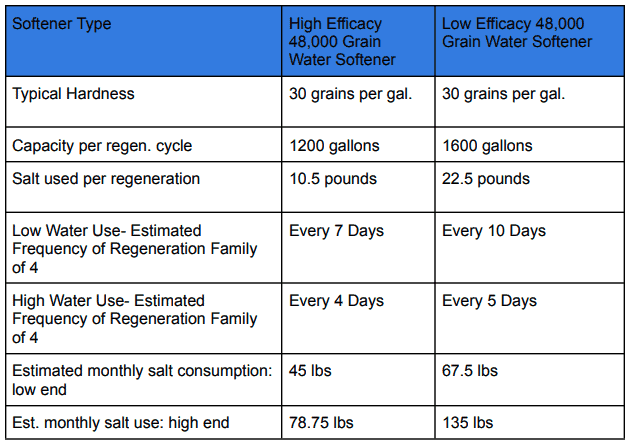 How Often to Add Salt to Your Water Softener | Team Austin
Also, consider your water hardness level. If you live in an area with liquid rock (hello, Texas and the Midwest), your softener works harder and eats salt faster. You can even buy a water hardness test strip for five bucks—it’s like a pH test for your entire home’s soul. Test it once when you move in, then adjust your refill frequency accordingly. It’s the adult equivalent of checking your tire pressure: boring but crucial.
The one thing that will ruin your day
Salt brand doesn’t matter much, but dirt does. If you buy cheap, dusty rock salt, it can leave sludge at the bottom of your tank, turning it into a gross science project. Every six months, take 30 minutes to do a deep clean: empty the tank, scrub the sides with a mild soap (and rinse, rinse, rinse), then refill with fresh salt. It’s the same feeling as cleaning your coffee maker—gross while you do it, amazing when it’s done.
And please, for the love of soft water, do not use table salt or sea salt flakes. Those contain iodine and anti-caking agents that can gum up your valve. Your softener is a minimalist hipster—it only likes pure, unadulterated salt pellets. No additives, no drama.
A little Zen for your routine
Look, replacing salt isn’t glamorous. It’s not about acing a presentation or mastering a sourdough starter. But it’s one of those small, repetitive acts that keeps your daily life silky and smooth—literally. Think of it as a tiny act of self-care for your home. You wouldn’t skip brushing your teeth for three months, so don’t skip checking your brine tank. The next time you pour a bag of salt in, imagine you’re shaking hands with ancient Roman engineers, all of them giving you a nod of approval.
So check it monthly. Refill when it’s half empty. Clean it twice a year. Your hair, your dishes, and your patience will thank you. And when you’re standing in a perfectly soft shower, feeling like a million bucks, you’ll realize that salt is not just a mineral—it’s a vibe.
