Commercial Car Wash Water Filtration System

Picture this: you’re sliding through the tunnel, dollar bills in hand, watching foam monsters attack your sedan. It feels good. But have you ever wondered where all that soapy...

Picture this: you’re sliding through the tunnel, dollar bills in hand, watching foam monsters attack your sedan. It feels good. But have you ever wondered where all that soapy runoff goes? It’s not just magic; it’s a quiet revolution happening under your tires.
Commercial car washes are ditching their guilt-ridden water habits. The secret weapon? A water filtration system that would make a fish jealous. We’re talking industrial-grade recycling that scrubs water cleaner than your kitchen tap.
The Dirty Truth About Clean Rides
Every wash used to send a cocktail of grease, road salt, and detergent straight into storm drains. Mother Nature wasn’t a fan. Today, modern filtration traps 99% of that nastiness before it even thinks about touching a stream.
Must Read
You know that satisfying sheeting action on your paint? That’s filtered water. It’s stripped of minerals, so your car dries without those infuriating water spots. It’s basically a spa treatment with an environmental conscience.
Here’s a fun fact: a single commercial wash recycling system can reuse the same water up to twenty times. That’s twenty cars cleaned on one initial fill-up. It’s the lazy river of car care, and it’s brilliant.
The Science of Sparkle (Without the Guilt)
These systems use a multistage process. First, grit and heavy solids settle out in a tank. Then, oily water gets skimmed like soup. Finally, ultra-fine filters catch microscopic particles. The result is water that’s 93% pure, according to industry standards.
Cultural reference alert: remember the “prison yard” hose scene in Cool Hand Luke? Modern filtration is the opposite of that wasteful gusher. It’s precision, not spectacle. Every drop is accounted for, like a Swiss banker handling H₂O.
Practical tip: next time you wash, ask the attendant if they use a closed-loop system. Most modern tunnels do. If they look confused, maybe take your business elsewhere. You’re paying for a clean conscience, too.
The Ripple Effect on Your Wallet
Businesses love these systems because they slash water bills by up to 75%. That savings often gets passed to you in cheaper wash packages. So, by choosing a filtered wash, you’re basically voting with your dollars for smarter engineering.
Europe has been doing this for decades. In Germany, over 90% of commercial washes recycle. America is catching up fast, driven by drought-prone states like California and Arizona. It’s a trend that’s making the drive-through bay a little greener.
Micro-fun fact: the filters used in these systems are sometimes reverse-osmosis membranes, similar to what astronauts use on the International Space Station. Your car is getting astronaut-quality water. That’s pretty cool.
DIY vs. The Professional Bay: A Water War
Washing your car in the driveway uses, on average, 100 to 150 gallons of water. A commercial bay with filtration uses less than 40. And that driveway water runs into the gutter, unregulated. Suddenly, paying $12 for a tunnel wash looks like a bargain for the planet.
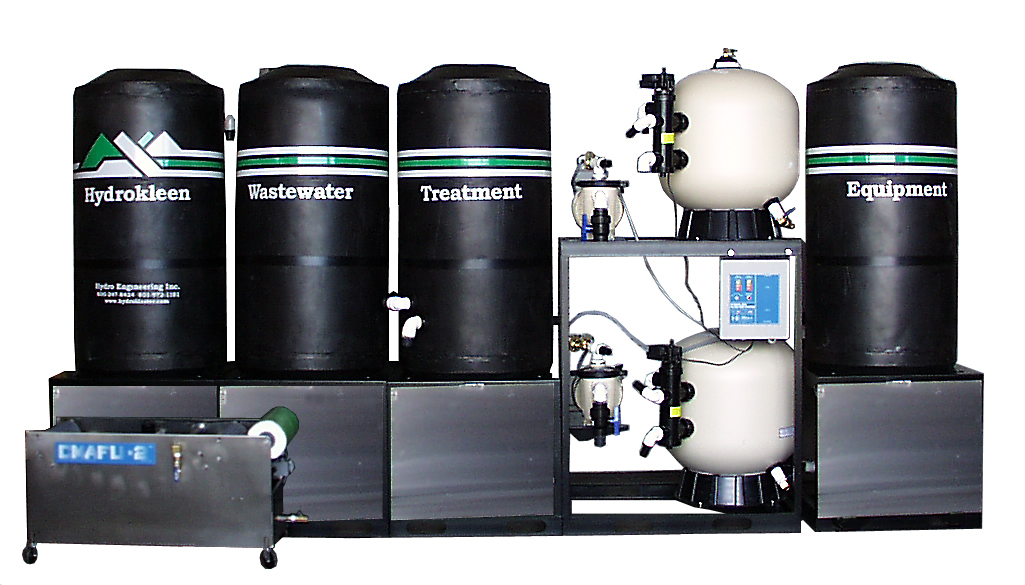 Commercial Car Wash Water Filtration System at Amy Kent blog
Think of the system as a smart bouncer for pollutants. It lets clean water party, but kicks out the dirt, heavy metals, and phosphates. Your local lake thanks you for not letting driveway soap ruin the summer algae bloom.
Practical tip: if you’re a DIY die-hard, use a biodegradable soap and wash on the grass. That way, soil naturally filters your runoff. But honestly? Let the pros handle it. Their filtration is literally industrial-grade superhero stuff.
The Aesthetics of Clean Water
There’s a zen quality to watching filtered water cascade over your hood. It’s quieter, softer, and deliberate. You feel less like you’re drowning in waste and more like you’re participating in a careful ritual.
I remember my first trip to a wash with a “water recycling” decal on the window. I half-expected a murky mess. Instead, I got a squeaky-clean finish and a weird sense of civic pride. Suddenly, the vacuum line didn't seem so long.
It reminds me of the borrowed car scene in Ferris Bueller’s Day Off. That red Ferrari gleams because someone cared about the details. Filtration is the behind-the-scenes care that makes the shine real.
Your Next Car Wash Story
So, next time you pull into the bay, notice the clear water in the pre-soak. Notice the lack of sudsy rivers flowing toward the street. That’s the sound of a system working, quietly and efficiently. It’s not a spectator sport, but it is a small victory.
One more tip: look for WaterSavers certification from the International Carwash Association. It’s the gold standard for eco-friendly operations. That little sticker means they’re using best-in-class filtration.
And a final fun fact: the sludge filtered out of the water is often compressed and sent to landfills, not dumped. Some operations even gasify it for energy. Your car’s dirt may one day power a lightbulb. You’re basically a clean-energy contributor.
Reflection comes easy here. In a world that feels increasingly wasteful, a simple system that reuses water offers a quiet hope. It’s proof that we don’t have to sacrifice a gleaming finish for a cleaner planet. We can have both, one seamless wash at a time.
Because at the end of the day, a clean car is a pleasure. But a clean conscience? That’s the real shine. Now go get that tunnel wash, roll down the windows after, and enjoy the feeling of driving a little lighter on the earth.
