Is Distilled Water And Boiled Water The Same

You know that moment when you’re standing in the kitchen, staring at a pot of bubbling water, and you wonder, “Is this basically distilled water now?” I’ve been there, spoon i...
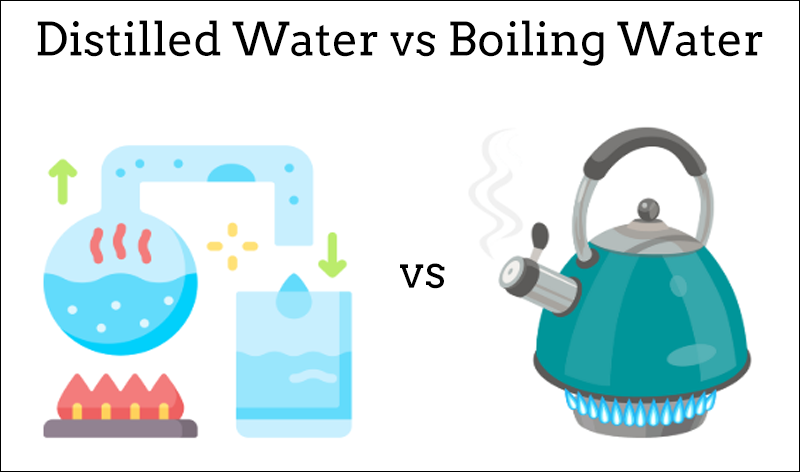
You know that moment when you’re standing in the kitchen, staring at a pot of bubbling water, and you wonder, “Is this basically distilled water now?” I’ve been there, spoon in hand, feeling very scientific. The short answer is no, they are not the same, and confusing them is like thinking a microwave burrito is the same as a gourmet taco. They both involve heat, but what’s inside is wildly different.
Let’s start with boiled water, which is your everyday hero. When you boil tap water for pasta or tea, you’re mainly killing off nasty little microbes like bacteria and viruses. It’s a lifesaver during a boil-water advisory, and it makes your cuppa safe to drink. But here’s the kicker: boiling doesn’t remove minerals. That calcium, magnesium, and even stuff like lead or chlorine? They’re still hanging out in your mug, just hotter now.
Distilled water, on the other hand, is the drama queen of the water world. It’s made by boiling water until it turns into steam, then capturing that steam and cooling it back into liquid. Think of it like evaporating the personality out of water. All the minerals, impurities, and even that faint chlorine taste are left behind in the pot. What you get is pure H₂O—so clean it’s almost boring.
Must Read
The Taste Test (You’ll Notice Immediately)
Pour yourself a glass of boiled tap water and a glass of distilled water. Go on, I’ll wait. The boiled water probably tastes… like tap water, but maybe a little flatter if you boiled it too long. The distilled water? It tastes like nothing. Seriously, it’s as if the water forgot what flavor was. That’s because our tongues are used to picking up on trace minerals, and without them, water feels oddly empty.
I once brought distilled water to a picnic, thinking I was being fancy. My friend took a sip and asked, “Is this water broken?” We had a good laugh, but it proves a point: distilled water is for appliances, not for sipping pleasure. Boiled water is for your morning coffee, your instant ramen, and your thirst.
When You Should (and Shouldn’t) Use Each
Picture this: you’re at home, and your iron is spitting white dust all over your favorite shirt. That’s mineral buildup from tap water, and boiling won’t help one bit. Distilled water is your iron’s best friend—no stains, no clogs. Same goes for your humidifier, car battery, and that fancy espresso machine you got for Christmas. They crave the pure stuff because minerals can gum up the works.
Now think about drinking water for your body. Boiled tap water is perfectly fine for hydration, and it even gives you a little dose of essential minerals like calcium and magnesium. Distilled water can actually be too pure—some experts say drinking it exclusively might leach minerals from your body. Not a crisis, but it’s like eating plain rice every day: nutritious but missing something. Stick to boiled or filtered water for your daily glass.
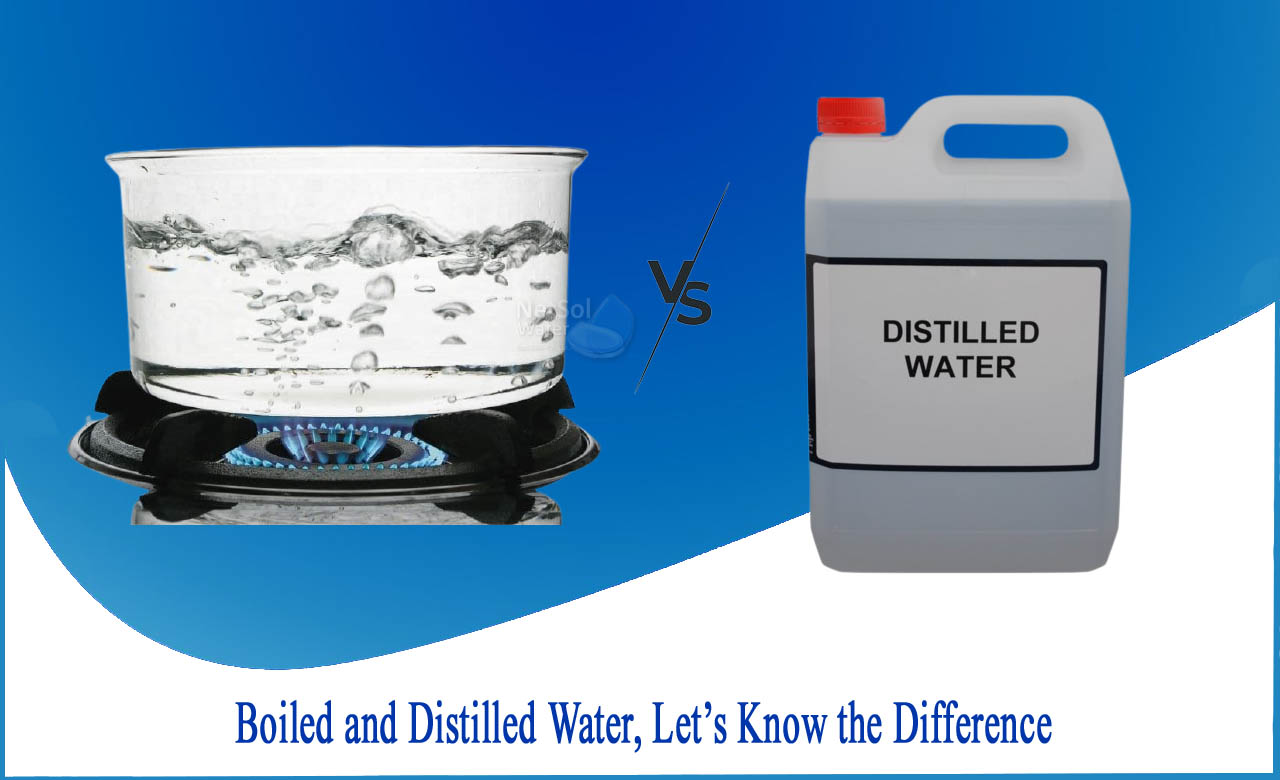 How to Differentiate Between Boiled and Distilled Water - Netsol Water
The Garden and the Fish Tank
I once watered my prize-winning tomato plants with distilled water for a week. They looked sad, like they’d given up on life. Turns out, plants crave those trace minerals from tap water. Boiled tap water (cooled down, of course) is a buffet for them. Distilled water is like feeding them only sugar water—empty calories. Your fish tank, though? That’s a different story. Fish hate chlorine and heavy metals, so some aquarium owners swear by a mix of distilled and tap water to get the balance just right. But never use pure distilled, or your betta might mope.
Here’s a fun mental image: imagine a pot of boiling water as a hot tub party—everyone’s there, the minerals, the chlorine, the little bits of sediment, they’re just getting jacuzzied around. Distillation is like that same party happening inside a cloud—you only invite the pure water molecules to the vapor afterparty, and everyone else gets left behind on the stove. It’s the difference between a loud kitchen gathering and a quiet, elite retreat.
Why You Should Care (Without Getting Bored)
I know, I know—you didn’t wake up today planning to debate water types. But knowing this little bit of kitchen science can save you from a disaster. Imagine pouring boiled tap water into your humidifier for months, only to find white dust coating your bedroom furniture like a snow globe. Or worse, using distilled water for your pasta (don’t do it, the noodles will taste sad). The big takeaway: boil water for drinking and cooking, distill water for gadgets and gear. It’s that simple.
And hey, next time you’re at a friend’s house and they offer you a glass of distilled water, you can politely decline and say, “I’ll take the boiled, thanks—I’m not an iron.” They’ll laugh, you’ll feel smart, and everyone wins. Water doesn’t have to be boring—it just needs a little personality, and maybe a good story to go with it.
So, are they the same? Not even cousins. They’re more like distant acquaintances who both use a stove but have totally different plans for their evening.
