Washing Machine Is Leaving Stains On Clothes

You know that sinking feeling. You pull a fresh shirt from the washer, expecting a clean slate, only to find a mysterious, greasy smear that wasn't there before. It’s like you...
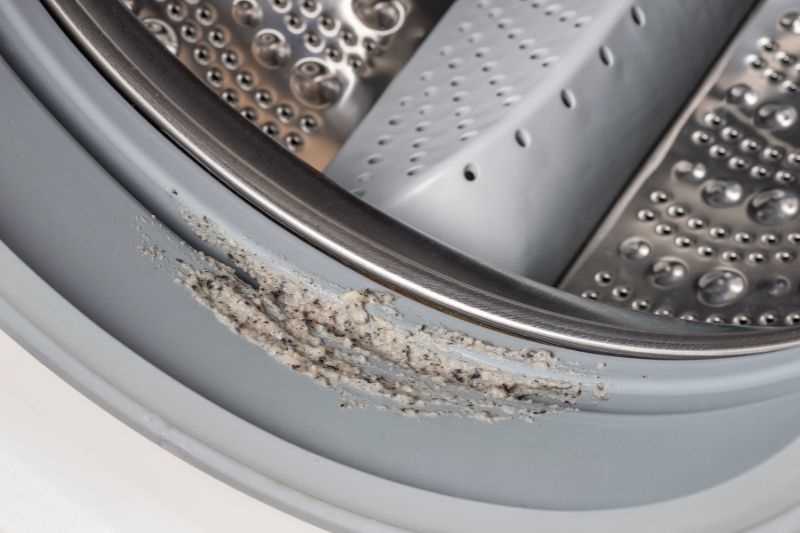
You know that sinking feeling. You pull a fresh shirt from the washer, expecting a clean slate, only to find a mysterious, greasy smear that wasn't there before. It’s like your washing machine decided to play a prank on you, but forgot the punchline. Suddenly, the appliance that was supposed to be your best friend becomes the prime suspect in a laundry crime scene.
We’ve all been there, staring at a suspicious brown or grey stain, wondering if a rogue pen exploded in the dark. But the culprit is usually less dramatic and way more annoying. It’s often just your own machine doing a weird version of “spin art” with leftover gunk.
The Shocking Confession of a Lazy Owner
Let’s be honest: when was the last time you cleaned your actual washing machine? I’m talking about the machine itself, not just the lint trap. Our washers live in a humid, dark cave, and they love growing mold and mildew like a teenager loves their phone.
Must Read
That slimy buildup inside the rubber seal or the detergent drawer is basically a petri dish. When the water sloshes around, it’s not just cleaning your jeans; it’s also painting them with a lovely, ancient-smelling bacteria paste. Delicious, right? It’s like expecting a shower to make you clean, but the shower head is covered in peanut butter.
This gunk is especially good at leaving “mystery” stains on lighter clothes. If you see a spot that looks like it was drawn with a dirty finger, your machine is waving a white flag of surrender. It’s begging you to scrub its rubber seal with a bleach wipe.
When Too Much Love Becomes a Problem
We all think a little extra detergent means cleaner clothes. It’s the “more is better” logic that gave us super-sized sodas and, unfortunately, stained t-shirts. Too much soap is a classic offender that doesn’t rinse out, leaving behind a sticky residue that attracts dirt.
I once used a “mega” pod for a small load, thinking I was being proactive. I wasn’t. I was creating a blue, foamy disaster that left my favorite hoodie looking like it had been tie-dyed by a very confused toddler. The machine basically burped soap suds all over the fabric.
That residue can also combine with hard water minerals to create a waxy layer. This “tide pod scum” then gets deposited back onto your clothes during the spin cycle. It’s a vicious, soapy circle where the cleaner you try to be, the dirtier the result.
The Rusty Rebel and the Fading Fabric
Sometimes, the stains aren’t organic; they’re metallic. If you see a brown or orange smear that looks like a rusty nail cried on your sock, check the inside of your drum. Old washing machines can develop rust spots that bleed onto everything, like a leaky pen in a backpack.
I found a red-ish stain on my white towel once and immediately assumed a crime had happened. Nope. Just a tiny chip in the enamel on the drum’s edge. My washer wasn’t a murderer; it was just shedding its own skin. That little rusty flake ruined my towel’s perfect white reputation.
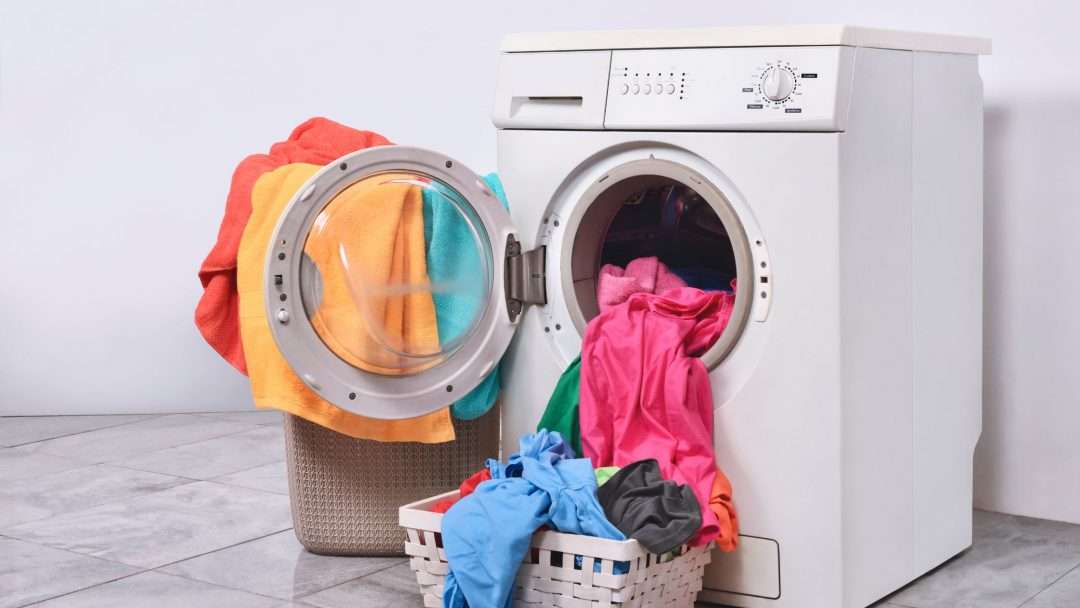 5 Common Laundry Problems and Solutions | Laundry City
Another stealthy villain is your own clothes. A new, dark pair of jeans can shed dye like a cat sheds fur. If you jam them in with a white shirt, the machine becomes a criminal accomplice in a dye-transfer heist. The washer is just an innocent bystander; you’re the one who mixed the darks with the lights.
The “Zombie” Fabric Softener
Fabric softener is a lovely idea in theory, but it’s a greasy beast in practice. That waxy build-up can clog your machine’s dispenser and then ooze out during the next wash. It leaves behind a stain that looks like someone spilled salad dressing on your gym shorts.
I’ve seen these stains as tiny, oily dots that refuse to wash off. They are the undead of laundry. Your shirt will look fine, then you’ll iron it, and the heat will resurrect the stain from the dead. It’s like a smell that haunts a house, but for your wardrobe.
Switching to a liquid fabric softener that you add manually can help. Or, you know, you could just stop using it altogether and let your clothes be their crunchy, natural selves. Your towels will thank you for not coating them in wax.
The Simple Fixes that Actually Work
The good news is that you don’t need a PhD in plumbing to fix this. The first step is a “reset” for your machine: run the hottest, longest cycle with a cup of white vinegar or a special washing machine cleaner. It’s like a juice cleanse for your appliance.
Then, make a habit of leaving the door open after a wash. Let that wet rubber seal breathe! It’s the best way to prevent mold from setting up a permanent camp. Imagine closing your bathroom door after a hot shower and never opening it again—that’s what you’re doing to your washer.
And finally, be a bossy parent to your laundry. Check pockets for pens, separate darks from lights, and don’t overstuff the drum. Give your clothes room to dance in the water, not wrestle. If the machine feels crowded, it will just smash stains around instead of removing them.
So, the next time your washer leaves a “gift” on your clothes, don’t panic. Give it a little tough love. Clean the rubber, use less soap, and treat it like the high-maintenance friend it actually is. After all, it has a tough job: wrestling dirt off your family’s backside. The least we can do is rinse its mouth out with vinegar once a month.
