Temporary Water Supply For Construction Site

Let’s be honest: construction sites are dusty, noisy, and thirsty places. Before the gleaming skyscraper or sleek new condo appears, there is a primal need for water. Not just...

Let’s be honest: construction sites are dusty, noisy, and thirsty places. Before the gleaming skyscraper or sleek new condo appears, there is a primal need for water. Not just for mixing concrete, but for suppressing dust, washing tools, and keeping crews hydrated under that unforgiving sun.
This is where the unsung hero of urban development comes in: the temporary water supply system. It’s the proverbial “hydration station” for a project that hasn’t yet sprouted its permanent pipes. Think of it as the construction equivalent of a pop-up restaurant—functional, efficient, and gone before you know it.
The Invisible River on Your Block
You’ve walked past them a thousand times. A bright blue hydrant, a thick hose snaking across the sidewalk, and a meter spinning like a possessed ceiling fan. In many ways, the temporary water supply is a marvel of municipal logistics.
Must Read
It’s not just about hooking a hose to a fire hydrant (though that’s part of it). The process involves permits, backflow prevention devices, and pressure tests that would make a plumber break a sweat. The real goal? Keeping the site wet without soaking the neighbors’ laundry or flooding the underground parking garage.
Why It’s Actually Kind of Cool
Here’s a fun fact: a single mid-size construction site can use thousands of gallons of water per day just for dust control. That’s enough to fill a small swimming pool every afternoon. Without this temporary supply, we’d be living in a 1920s-style dust bowl every time a foundation is dug.
Ancient Romans understood this hustle. They built aqueducts—essentially giant, permanent temporary water supplies—to feed their construction projects. Today, we use robust polyethylene pipes and brass fittings. The vibe is the same: move water, build empire. Just with fewer togas and hard hats instead.
The Art of the Hook-Up (And the Mess)
Temporary water supply isn’t glamorous, but it has its own chaotic poetry. The site manager, a clipboard-wielding sage, must decide: do we tap the city main or bring in a tanker truck? Each choice has its own rhythm. Tapping the main is cheaper but requires a meter and a backflow preventer to keep nasty construction water from polluting the drinking supply.
Meanwhile, the fun begins when the water pressure is too high. Hoses whip around like angry snakes, drenching anyone within ten feet. It’s a universal comedy bit that plays out on sites from London to Los Angeles. Veteran construction workers have a saying: “Water finds its own level, and your lunchbox.”
Practical Tips for the Curious Bystander
If you’re a project manager or just someone who likes knowing how things work, here are three golden rules. First, always test the pressure before hooking up anything expensive. A 100 PSI blast can shatter a cheap valve and ruin your Tuesday. Second, invest in a proper backflow preventer—it’s a small device that saves you from a massive health code violation.
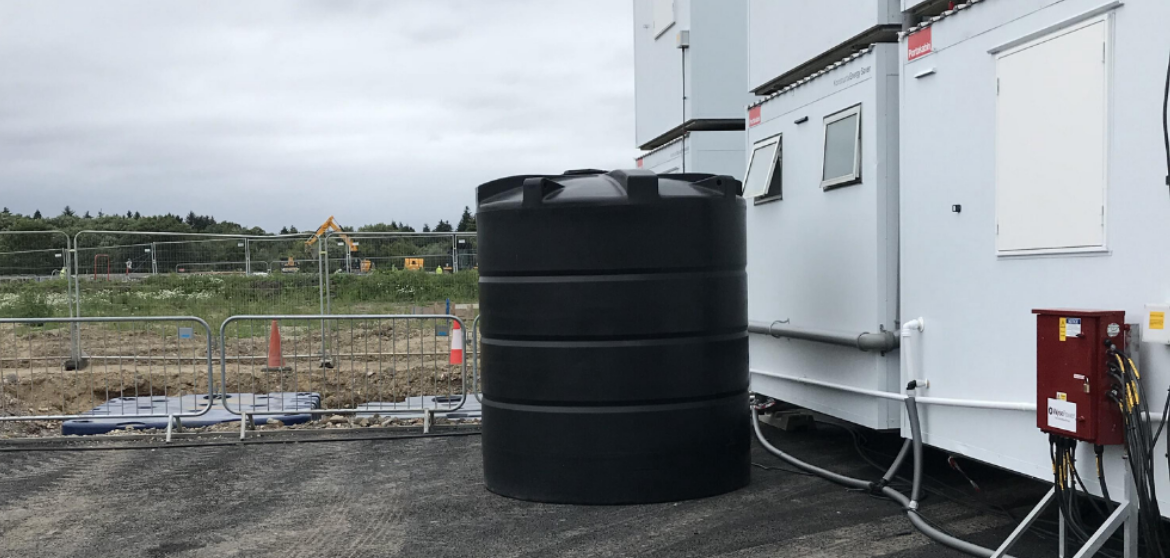 Temporary Water Supply On Construction Sites - Enduramaxx
Third, label your hoses. No, really. You’d be surprised how often a “temporary” line for dust control gets confused with a drinking water line. Use colored tape or zip ties. Future you will thank present you when the inspector shows up unannounced. And if you’re walking near a site, just give the blue hoses a respectful ten-foot berth—they have a mind of their own.
Cultural Cachet: The Drought Factor
In places like California or Cape Town, temporary water supply becomes a high-stakes drama. Permits get denied. Fines for waste are steep. Contractors become water ninjas, recycling runoff and using misting systems instead of wasteful flood irrigation. It’s a fascinating shift from “just turn on the tap” to “calculate every drop.”
There’s even a bit of street cred involved. A site that manages its temporary water efficiently earns nods from neighbors and a “low-impact” badge from city officials. In the world of construction, that’s like getting a Michelin star for being tidy—rare, but deeply satisfying.
Fun Fact: The Fire Hydrant Myth
Many people think you can just unlock a fire hydrant and go to town. Wrong. In most cities, it’s illegal without a special permit and a hydrant meter. The fine for unauthorized use can run into the thousands. Plus, you risk starving the fire department of water during an emergency. So, unless you’re fighting a blaze or have a laminated permit, keep your tools off that red metal friend.
Ironically, fire hydrants themselves are temporary water supplies in waiting. They are the silent guardians of the neighborhood, ready to become a construction’s best friend—or worst enemy if misused. Treat them with the reverence they deserve.
Connecting Back to Daily Life
Every time you fill a glass from your kitchen tap, you’re standing on the shoulders of plumbers and site managers who fought the temporary water wars. That pristine water didn’t just appear; it passed through temporary pipes, pressure regulators, and backflow preventers somewhere along its journey. It’s easy to take for granted.
Next time you walk past a construction site, pause for a second. Look at the blue hose snaking along the curb, wetting the dust. That hose is a bridge between chaos and order. It’s a temporary solution that makes permanent possibilities real. And in our own lives, aren’t we all just running a temporary hose until the permanent system arrives? Drink up. The work is almost done.
