How Long Can I Store Water In Plastic Bottles

So, you’ve just discovered a forgotten case of water bottles under your desk, and now you’re staring at them like they might bite you. The big question looms: How long can you...
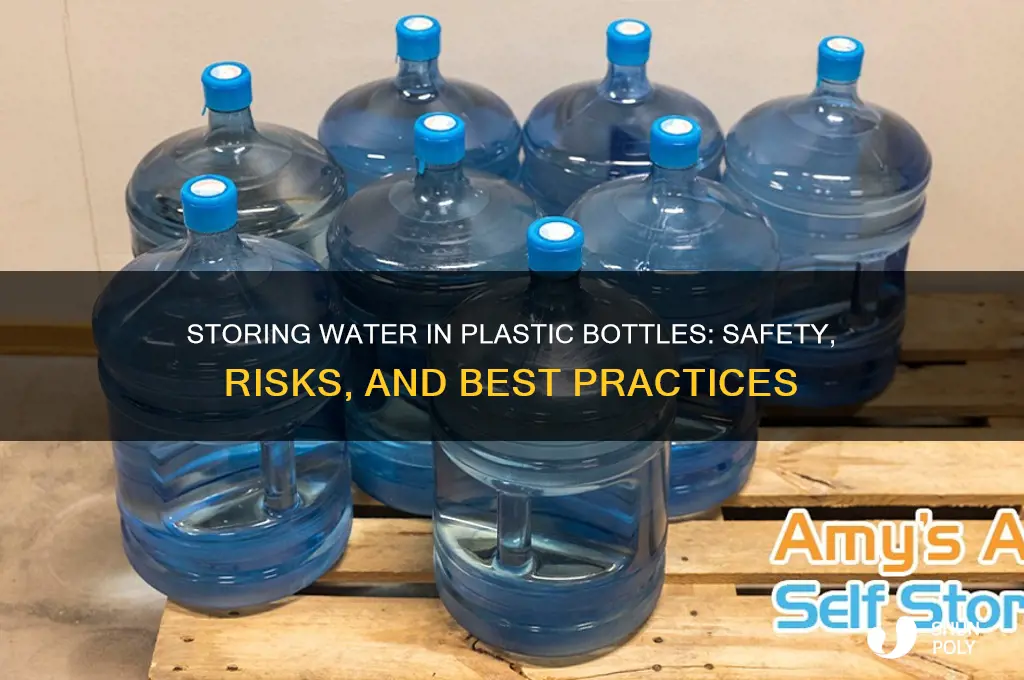
So, you’ve just discovered a forgotten case of water bottles under your desk, and now you’re staring at them like they might bite you. The big question looms: How long can you actually store water in plastic bottles before it turns into a science experiment? Grab a stale chip, because we’re about to dive into the surprisingly dramatic world of H2O expiration.
The Short Answer: It’s Mostly About the Bottle, Not the Water
Here’s the kicker: water itself doesn’t really “go bad.” It’s not a carton of milk that’s plotting its revenge in your fridge. The real villain is the plastic bottle, which is basically a leaky time bomb of chemical migration.
Most single-use bottles are made of PET plastic (polyethylene terephthalate), and over time, they start to break down. If you store them for too long—especially in a hot car or sunny window—those bottles can release antimony and phthalates into your water. That sounds like a bad sci-fi villain, but it’s just a metal and some chemicals that you probably don’t want in your kidneys.
Must Read
The Official Shelf Life: 2 Years… But With a Catch
The FDA and bottled water companies recommend storing unopened water for up to two years. That’s the “best by” date, but it’s not a magical deadline where the water turns into a frog. Manufacturers put that date there because the plastic might start tasting like plastic, not because the water will kill you.
In reality, if you store the bottle in a cool, dark pantry, that water is probably safe for decades. There are stories of hikers drinking 20-year-old emergency water and living to tell the tale—though they admit it tasted like a sweaty gym bag. The key is temperature and light exposure, not a calendar.
What Happens to Opened Bottles? (Spoiler: You’re the Problem)
Once you crack that seal, the clock starts ticking fast. An open bottle is a petri dish for your own mouth germs, dust, and airborne bacteria. If you drink directly from the bottle, you’re basically inviting your own backwash to throw a party.
Experts say to finish an opened plastic bottle within a few days if it’s refrigerated. Leave it on your nightstand for a week? You might start seeing algae—not joking, it happens. I once found a bottle that had turned into a cloudy, stringy horror show that looked like a failed science fair project.
The “Hot Car” Disaster: A Cautionary Tale
Picture this: You leave a plastic water bottle in your car during a summer heatwave. After a few hours, that bottle is a microwave of regret. Heat accelerates chemical leaching big time—like, 10x faster than room temperature. A study found that bottles stored at 158°F (your car in July) leached antimony at alarming rates.
It won’t kill you instantly, but it’s like playing russian roulette with your liver. The water might also develop a weird, chemical “plastic taste” that makes you question every life choice. My rule: if the bottle feels hot to the touch, treat it like a suspicious burrito—just toss it.
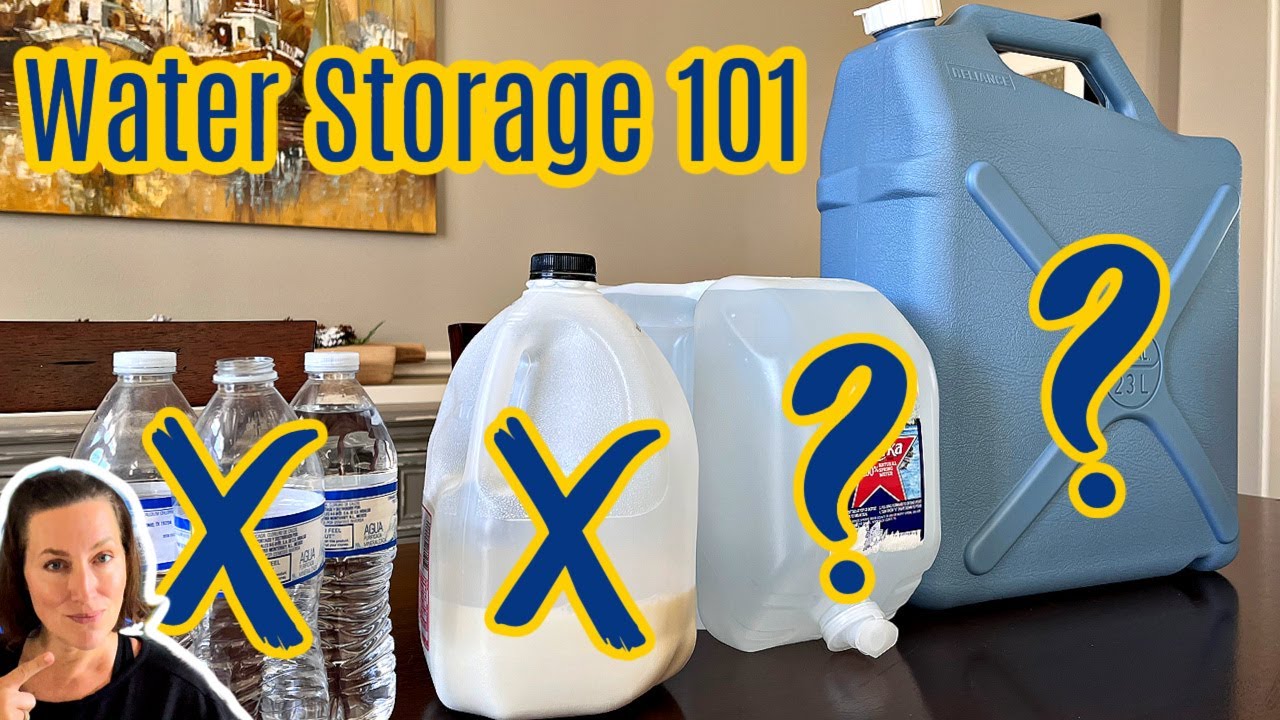 Is It Safe To Store Water In Plastic at Steven Hines blog
Reusable Bottles: The Overachievers (and Weaknesses)
If you’re using a reusable plastic bottle (like Nalgene or CamelBak), you’re in a different league. These are usually made of HDPE or Tritan, which are much more stable than single-use PET. They can last years without leaching, but they have a fatal flaw: cracks and scratches.
Every scratch is a tiny cave for bacteria to live in. So if you’re refilling a scratched bottle for two years straight, you’re essentially drinking from a community toilet brush. Wash them with hot soapy water regularly, and replace them every year or so, or when they start looking like they’ve been in a bar fight.
Surprising Fact: The “BPA-Free” Myth
You’ve seen “BPA-free” labels everywhere, and you probably felt smug buying them. Well, here’s the punchline: BPA-free doesn’t mean safe forever. Manufacturers replaced BPA with similar chemicals like BPS and BPF, which may be just as nasty. It’s like swapping out Dracula for a vampire with a different haircut.
The real solution is glass or stainless steel for long-term storage. They don’t leach, they don’t scratch, and they make you look like a fancy influencer at the gym. But if you’re stuck with plastic, keep it cool, dark, and away from your 10-year-old emergency kit.
The Final Verdict: When to Keep, When to Dump
Here’s your cheat sheet: Unopened, cool, dark storage = safe for 2+ years, but it might taste like a plastic shoe. Opened, room temp = finish within a week or dump it. Hot car bottle = discard immediately, because you’re not a chemist. And scratched reusable = replace when it looks like a cat used it as a toy.
In the end, water is the least of your worries. The world is chaotic—you’re already a hero for remembering to hydrate. So drink that 2020 emergency bottle with confidence, just hold your nose and pretend it’s tap water from a fancy restaurant. Cheers!
