Reverse Osmosis Water Filter For Kitchen Sink

So there I was, staring at my glass of tap water like it had personally insulted me. It looked fine, sure, but that faint hint of swimming pool? And the way my morning coffee...
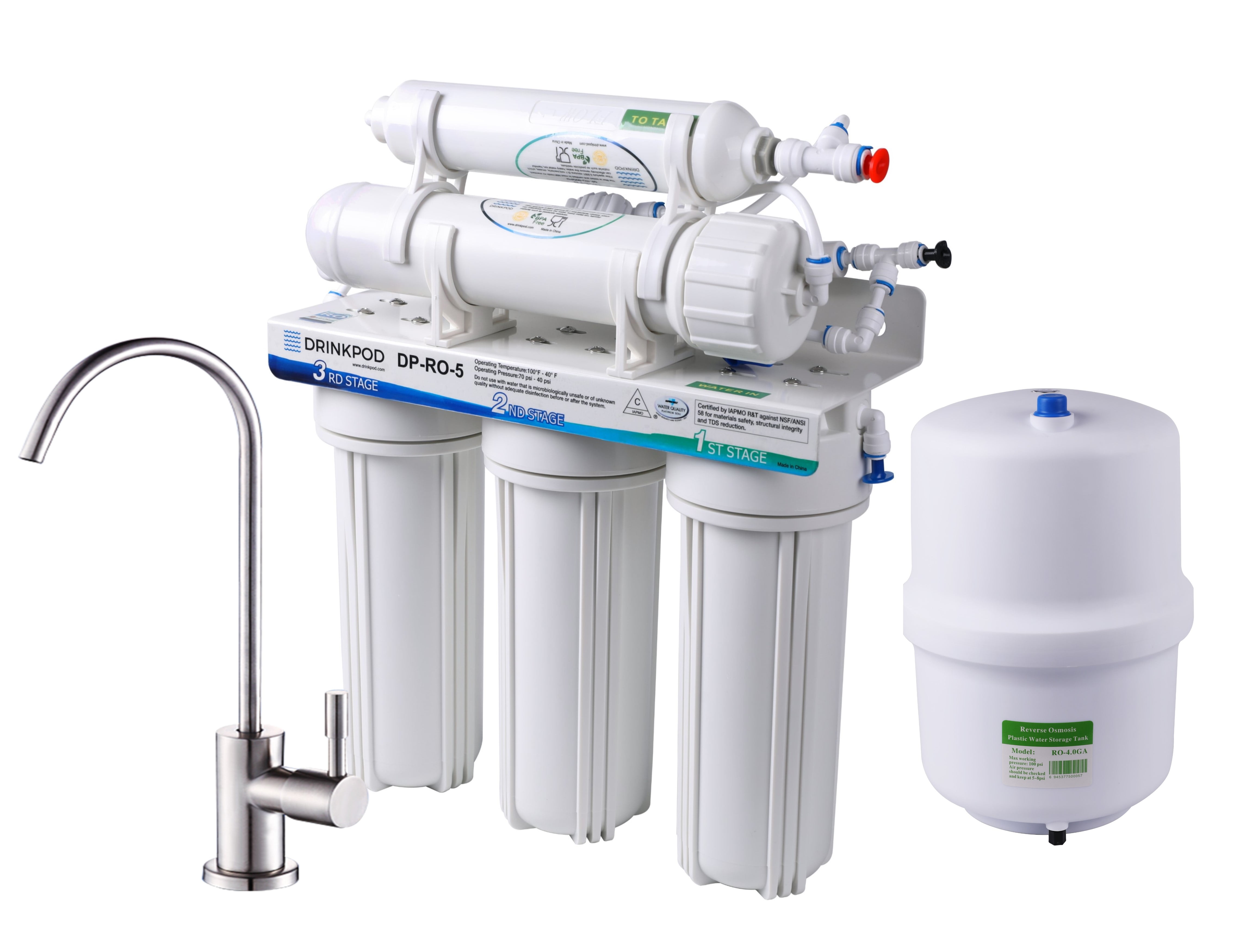
So there I was, staring at my glass of tap water like it had personally insulted me. It looked fine, sure, but that faint hint of swimming pool? And the way my morning coffee tasted like it had been filtered through a gym sock? I knew something had to give. That’s when I started my deep dive into the world of under-sink water filters—and man, did I fall into a rabbit hole.
Let’s be real: you don’t need a chemistry degree to know your tap water might be hiding some nasty surprises. Chlorine, lead, pesticides, even trace pharmaceuticals—yep, your glass of water could be a cocktail you never ordered. The classic pitcher filter? Cute, but about as effective as a screen door on a submarine.
Enter the Reverse Osmosis (RO) system.
Imagine a tiny, hardworking bouncer for your water. It uses pressure to push water through a super-fine membrane that catches literally everything bigger than a water molecule. We’re talking 99% of contaminants gone—fluoride, arsenic, microplastics, the works. It’s the overachiever of filtration, and I love it for that.
Must Read
But here’s the catch (and you knew there was one, right?). Standard RO systems used to be these massive, clunky beasts that hogged your entire under-sink cabinet. They also wasted a ton of water—like, three gallons flushed for every one gallon filtered. Yikes. That’s the kind of waste that makes your wallet and the planet cry at the same time.
But wait—modern RO systems are different.
Today’s compact, tankless RO filters are a game-changer. They fit neatly under your kitchen sink, sometimes even smaller than a shoebox. And the new models have a 1:1 waste ratio? That means for every glass of clean water, only one glass goes down the drain. Still not perfect, but way less painful.
Let’s talk about the taste—because that’s why we’re all here, right? The first sip from an RO system is like tasting water for the very first time. It’s crisp, neutral, and almost sweet. Your coffee will stop tasting like a science experiment. Your ice cubes will be clear, not cloudy. Even your pasta will cook better. I’m not joking—ask anyone who’s switched.
But it’s not all rainbows and pristine H2O.
Installation can be a little… intimate. You’ll need to drill a hole for the dedicated faucet (unless you love mixing filtered and unfiltered from the same spout—please don’t). You’ll also need to replace filters every 6-12 months, which costs about $50-$100 a year. And if your water pressure is low, you might need a booster pump. But honestly? That’s a small price for water that doesn’t taste like regret.
One thing they don’t tell you at the store: RO water is too pure for some people. Yeah, it strips out minerals—good ones like calcium and magnesium. Some folks say it makes water taste “flat.” The fix? Add a remineralization filter at the end, which puts those good minerals back in. Boom—perfect spring water from your own tap.
 Moen Reverse Osmosis Water Filter System
Let’s be honest about the cost, too. A decent under-sink RO system will set you back between $150 and $500. That’s not pocket change. But compare that to buying bottled water for your family for years? You’ll break even in under 12 months. And think about all those plastic bottles you won’t be tossing into the ocean. Mother Earth sends a high-five.
So, who actually needs a Reverse Osmosis filter?
If you live in a city with old pipes, or your tap water has a weird smell or taste, yes, you do. If you’re on well water? Even bigger yes—because arsenic, nitrates, and bacteria aren’t exactly breakfast companions. But if your water is already pretty clean? You might get away with a cheaper carbon filter. Don’t overkill for the sake of it, you know?
Oh, and one last thing: please don’t confuse Reverse Osmosis with distillation. Distillation boils water and condenses it back—super effective, but it also removes everything good, and it uses a ton of electricity. RO is gentler and way faster. Plus, it doesn’t make your kitchen feel like a laboratory.
I’ll be honest—I was skeptical at first. I thought, “Do I really need this? Am I just being bougie?” But after three months with my little RO buddy under the sink, I can’t imagine going back. My pasta tastes like pasta, my tea tastes like tea, and I haven’t bought a plastic water bottle since. The only downside? Now I’m a jerk at restaurants who complains about their “funny” water. Guilty.
So if you’re on the fence, here’s my two cents: take the plunge. It’s not just a filter—it’s an upgrade to your daily life. And hey, if it doesn’t work out? You can always use the extra cabinet space to store your emergency potato chip stash. Priorities.
