How Can You Tell If Water Is Polluted Or Clean

We’ve all been there. You’re parched after a hike, staring at a crystal-clear stream, and your brain does a little tap dance between “ah, refreshing” and “what if I’m drinking...

We’ve all been there. You’re parched after a hike, staring at a crystal-clear stream, and your brain does a little tap dance between “ah, refreshing” and “what if I’m drinking ancient beaver pee?”
The truth is, Mother Nature doesn’t come with a label. Water doesn’t hold up a sign saying, “Clean! Drink up!” or “Toxic sludge, avoid!”.
So, how do you tell if that glass of tap water, that bottle from the store, or that murky puddle is safe? Let’s ditch the lab coats and talk about this like normal, slightly paranoid humans.
Must Read
The “Nose Knows” Rule
Your nose is basically a cheap but effective water-testing kit. If you sniff your tap water and it smells like a swimming pool, that’s chlorine—usually fine, but gross.
If it smells like rotten eggs or a damp basement, that’s hydrogen sulfide or sulfur bacteria. It won’t kill you instantly, but it’ll make you question every life choice that led to this sip.
And if a stream smells like a dirty gym sock mixed with sewage? Run. Don’t walk. Your nose just saved your intestines.
The “Blind Taste Test” (Don’t Actually Do This)
Unless you’re a professional sommelier of puddle water, don’t rely on taste alone. Clean water should taste like nothing. Literally nothing.
If your tap water has a metallic tang, you’re tasting dissolved iron or copper from old pipes. It’s not toxic in small amounts, but it’s like drinking a penny.
Bitter water? That could be algae toxins or high mineral content. Sweet water? That’s nice, but it could also mean something is growing in it. Water shouldn’t have a flavor profile.
The “Look, Don’t Touch” Visual Check
Clear water is a liar. The most polluted water I’ve ever seen looked like a vodka commercial—sparkling and pristine. Don’t trust pretty water.
Look for floaters. Not the dead-fish kind (though that’s a bad sign), but tiny specks, stringy bits, or a weird oily sheen on the surface. That sheen is often motor oil or bacteria film.
If the water is brown, yellow, or has that pea-soup green color, you’re looking at sediment, rust, or an algae bloom. Green is nature’s warning flag. It’s pretty in a forest, not in your water bottle.
The “Cloudy” Conundrum
What about that milky look from your faucet? Fill a glass. If the cloudiness clears from the bottom up in a few seconds, it’s just air bubbles. That’s harmless—like tiny water champagne.
If it stays cloudy for more than a minute? That’s turbidity—suspended dirt or microbes. Your filter is begging for a replacement.
Ever seen a glass of water with a faint rainbow slick on top? That’s not a festival decoration. That’s iron bacteria or petroleum. Put it down.
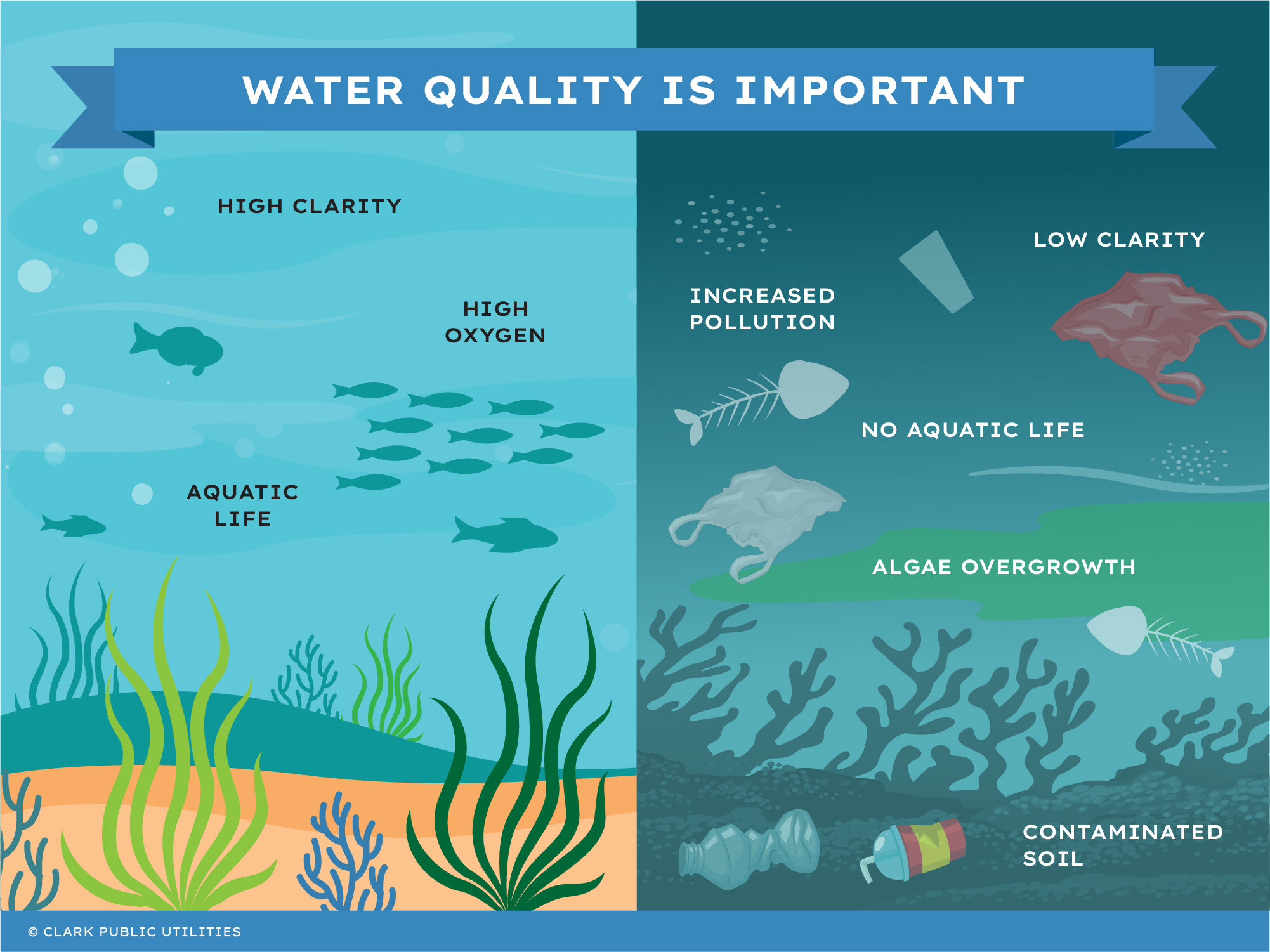 Water Quality Pollution The Different Methods Of Monitoring Water
The “Who Lives Here?” Test
Life is a good sign. If you see a caddisfly larva or a stonefly in a stream, that water is likely clean. Those bugs are drama queens—they die in polluted water.
But if you see algae slime coating every rock, or a bunch of bloodworms (yes, they look as gross as they sound), that water is nutrient-heavy and probably nasty.
Think of it like a neighborhood. When you see only pigeons and rats, the place is dirty. When you see dragonflies and trout, it’s a good spot.
The Homeowner’s Special
Inside your house, the easiest test is the glass jar trick. Fill a clear jar with tap water. Let it sit on the counter for 24 hours.
If you see a brown ring at the bottom the next day, that’s sediment from your pipes. If a scummy film forms on top, you’ve got organic matter or bacteria. Time to call a plumber.
And if your water leaves white spots on your glasses after washing? That’s hard water (calcium and magnesium). It’s clean, but it’s the enemy of coffee makers and hair.
Nature’s Honest Tricks
Out in the wild, look for animal footprints. If deer, birds, and bears drink from a spot, it’s usually safe. They have way better instincts than we do.
But avoid water with dead frogs or a ring of dead snails around it. That’s not a murder mystery; that’s pollution saying, “I’m here.”
One last tip: never drink water that smells like cucumber or smells fishy. That’s the scent of blue-green algae toxins. It’s not a spa day—it’s a trip to the emergency room.
The Bottom Line
You can’t always tell just by looking or sniffing. Some pollutants are invisible and tasteless (like lead or industrial chemicals).
So, when in doubt: bottled water from a reputable brand, or boil that stream water for at least one minute. Boiling doesn’t kill chemicals, but it nukes most bacteria and parasites.
In the end, your best tool is common sense. If it looks funky, smells weird, or bugs avoid it, just don’t. Your stomach will thank you later—with a happy gurgle, not a panicked groan.
