Whole House Water Filtration System Comparison

Let’s be real: until a few years ago, the phrase “whole house water filtration” sounded like something your uncle the plumber would install after fixing the sump pump. But som...
Let’s be real: until a few years ago, the phrase “whole house water filtration” sounded like something your uncle the plumber would install after fixing the sump pump. But somewhere between the rise of fancy alkaline water fads and Gen Z influencers testing their tap with TDS meters, we all got curious. Now, it’s the home upgrade that whispers luxury while quietly saving your skin, hair, and plumbing.
Think of it as a spa membership for your entire house—minus the cucumber water and awkward small talk. The concept is simple: one central filter catches everything from sediment to chlorine before it reaches your shower, sink, and washing machine. But which system is the real MVP?
The Main Contenders
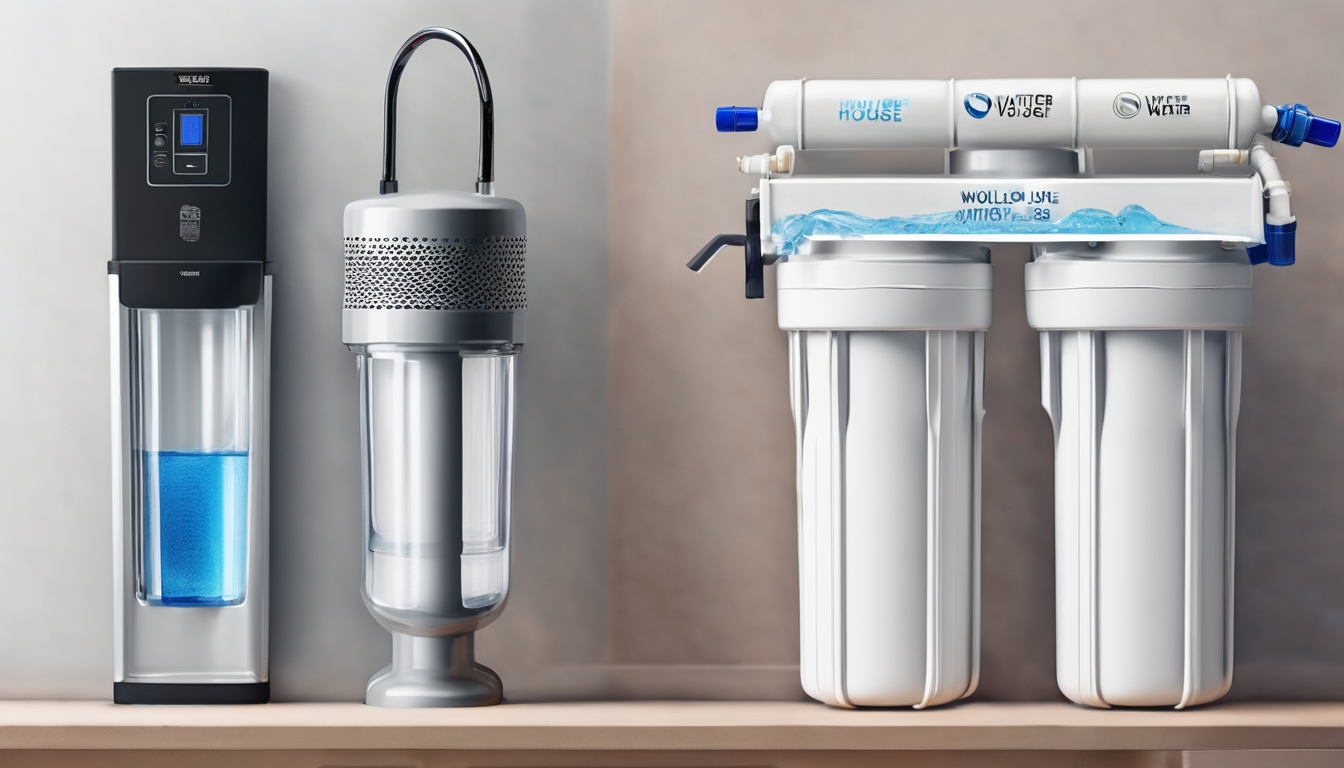
First, we have the classic sediment and carbon filter combo. It’s the sensible sedan of water filtration: reliable, affordable, and does the job without much drama. You’ll get rid of rust, dirt, and that swimming-pool taste, but don’t expect it to soften your water or remove heavy metals.
Must Read
Then there’s the salt-based water softener. If your faucets look like they’ve been dusted with chalk, and your shampoo won’t lather, this is your knight in shining brine. It swaps calcium and magnesium for sodium, making your hair shinier and your soap last forever.
Finally, the heavy hitter: reverse osmosis (RO) for the entire house. This is the system you buy if you treat water like a precious gem. It removes everything—pesticides, fluoride, microplastics—but it’s thirsty. An RO unit wastes three to four gallons of water for every one it filters, so it’s not exactly eco-goddess approved unless you capture the runoff for your garden.
The Cost of Clean
Here’s where things get spicy. A basic carbon setup runs you about $300 to $800 for the unit, plus installation. A salt-based softener? Expect to pay $500 to $2,500, depending on the size of your home and the drama of your water hardness. RO systems for a whole house start around $1,500 and go to $5,000 faster than you can say “zero TDS.”
Don’t forget the hidden costs: replacement filters every three to six months, salt refills for softeners, and the occasional surprise plumber visit. A pro tip: always check your water quality report first. Your local municipality publishes one annually, and it’s like a dating profile for your tap—revealing what you’re actually dealing with.
Fun Facts to Impress Your Guests
Did you know that whole house water filters became trendy in the 1970s after a study linked chlorinated water to bladder cancer risk? Today, chlorine is actually a savior that prevents typhoid, but we’ve decided we don’t want it in our morning shower. Classic human behavior.
Meanwhile, in ancient Rome, patricians filtered their water through charcoal and sand, essentially inventing the carbon filter while sipping wine. You’re basically channeling a Roman emperor every time you install a Brita.
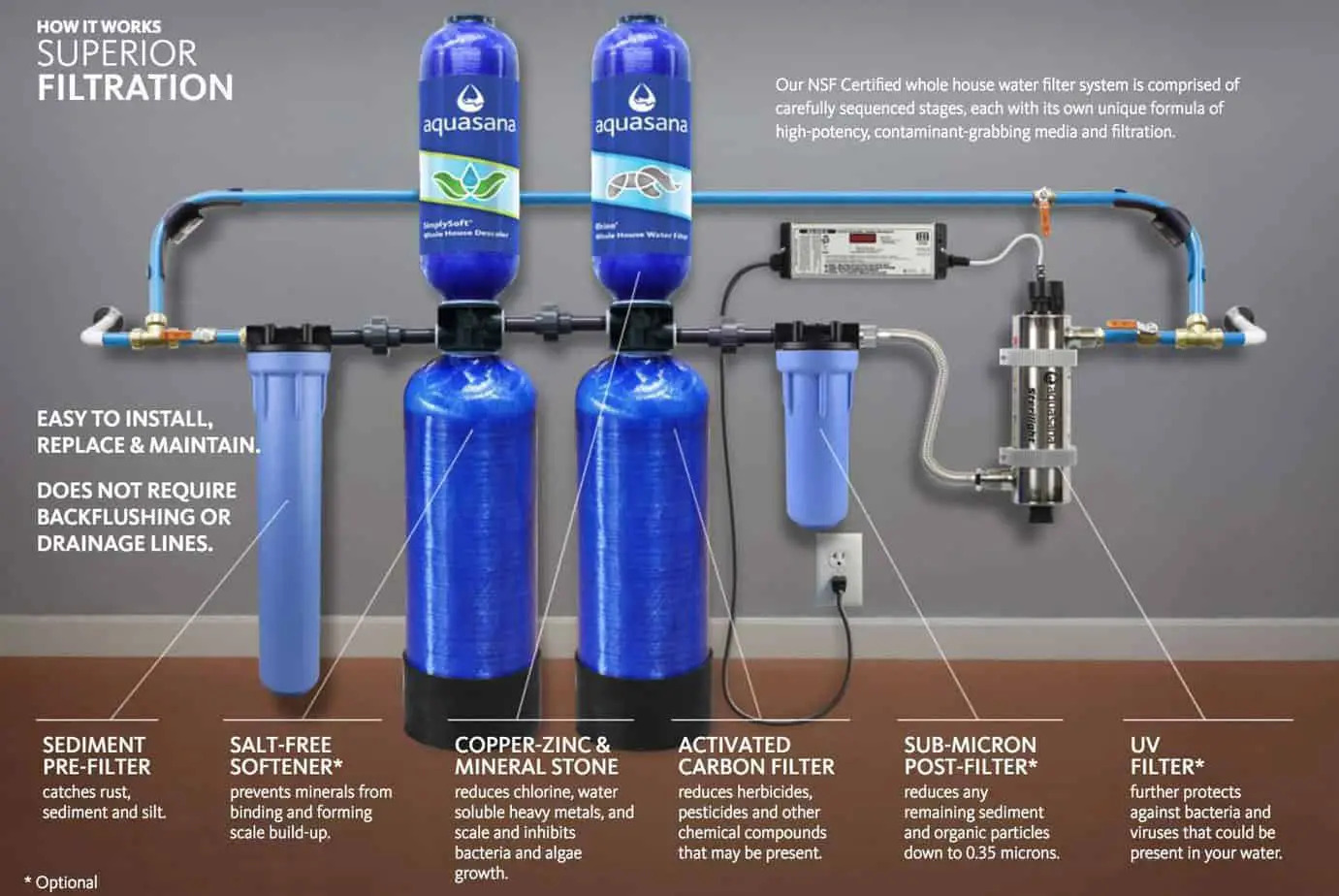 Residential Water Purification Lead Removal Whole House Water Filter
Practical Tips for the Water-Curious
Start by testing your water hardness. You can buy a $10 test strip online or call your county extension office—they often do it for free. If you see white flakes on your dishes, you’re in hard-water territory, meaning a softener is your best friend.
If your main concern is taste and smell, a carbon whole-home filter is your sweet spot. Pair it with an under-sink RO for drinking water, and you get spa-style hydration without the monthly luxury bill. Also, always match your filter’s flow rate to your home’s peak usage. A system rated for 10 gallons per minute won’t keep up if you’re running two showers and a dishwasher simultaneously.
The Cultural Shift
Let’s be honest: whole house filtration has become a status symbol in the age of “conscious living.” Your friend who showers in filtered water probably posts about it on Instagram Stories with the caption “treating my hair right.” And honestly? They’re not wrong. Hard water is blamed for everything from eczema flare-ups to dull laundry, and the science backs it up.
In Japan, many households already have whole house systems as standard, often combined with bathwater filtration for the onsen experience at home. Meanwhile, in Europe, apartment dwellers rely on point-of-use filters because space is a premium—proving it’s not about the size of your house, but the quality of your water.
A Short Reflection
After spending a week testing a mid-range carbon-and-softener combo, I noticed something unexpected. My morning coffee tasted cleaner, yes, but the real change was in the shower. The water felt softer on my skin, and I wasted less time scrubbing soap scum off the glass door. It turned a mundane ritual into a subtle luxury.
Maybe that’s the point of a whole house system. It doesn’t scream “look at my upgrade”—it whispers that you care about the details you touch every single day. And in a world obsessed with expensive coffees and boutique skincare, a cleaner pour from every tap feels like the smartest, quietest flex of all.
