Difference Between Distilled And Bottled Water

Alright, pull up a chair and put down that suspicious-looking bottle of water you’ve been clutching. We need to talk. You’ve probably stood in the grocery aisle, faced with an...
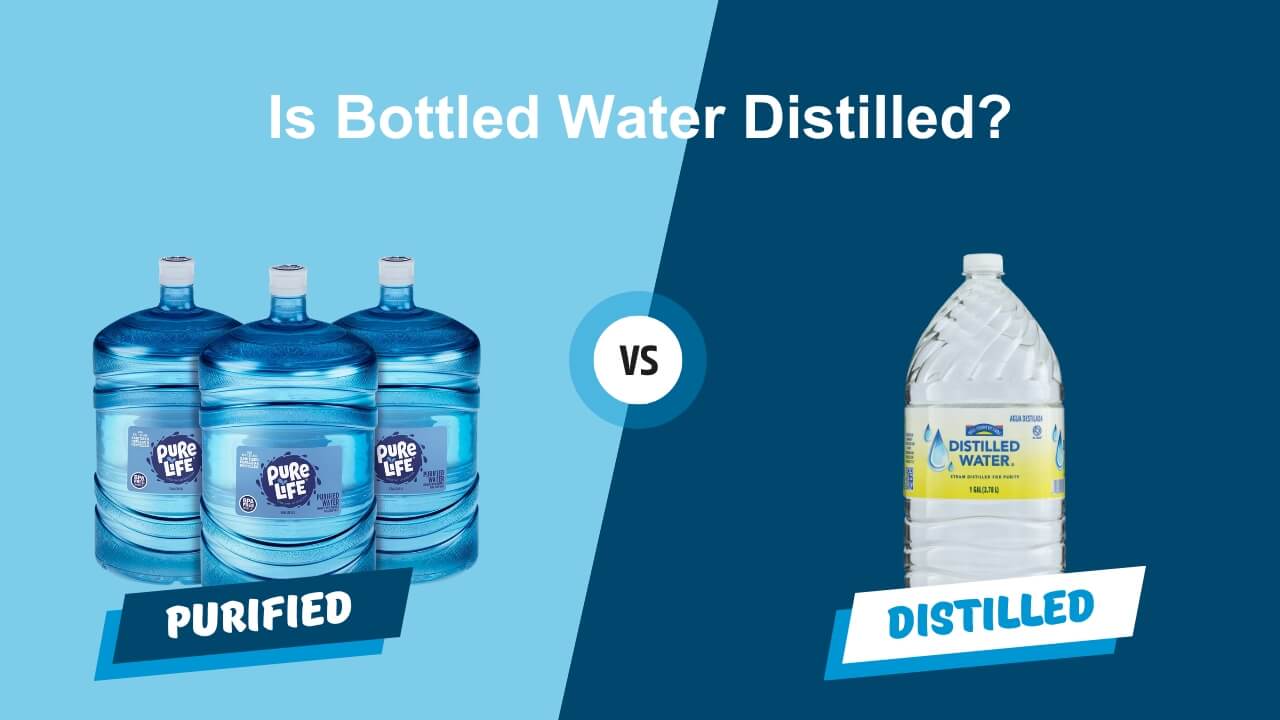
Alright, pull up a chair and put down that suspicious-looking bottle of water you’ve been clutching. We need to talk. You’ve probably stood in the grocery aisle, faced with an army of plastic bottles labeled “Distilled,” “Spring,” “Purified,” and “Alien Tears from the Himalayas,” wondering if your tap water is plotting against you. Today, we’re settling the heavyweight championship fight: Distilled versus Bottled water. Spoiler alert: one of them is basically rain made by a machine, and the other is… well, slightly fancy rain.
What is Distilled Water, Anyway?
Imagine you’re a cloud, but you’re also a control freak. Distilled water is the introvert of the water world: it’s been boiled into steam, then cooled back into liquid, leaving behind all its messy friends (minerals, bacteria, and that gritty taste of regret). The result? Water so pure it’s basically lonely. It has zero dissolved solids, which makes it the world’s most boring roommate—quiet, clean, but utterly devoid of personality.
Fun fact: because distilled water is so stripped down, it’s technically a bit “hungry.” It will actively try to absorb carbon dioxide from the air, turning slightly acidic (pH around 5.8). So your pure water is secretly a little sad and sour. Don’t worry, it won’t burn a hole in your stomach—but it might judge you for drinking it straight.
Must Read
Bottled Water: The Celebrity Impersonator
Now, “bottled water” is a catch-all term that includes everything from glacier runoff to municipal tap water in a fancy costume. Most bottled waters are “spring” or “purified” varieties, which means they usually contain trace minerals like calcium and magnesium. That’s why it tastes more like “water” and less like “science experiment.” It’s the extrovert—it’s got some crunch and a little bit of chemistry swagger.
Here’s the kicker: about 64% of bottled water sold in the U.S. is just filtered tap water. Yes, you’re paying $2.50 for something that costs pennies from your sink. The bottle companies even fought a court battle to keep the word “spring” on labels for water that literally came from a well near a parking lot. Dasani and Aquafina? Both are purified municipal water. They’re basically tap water’s Hollywood cousin who got a nose job.
The Great Flavor Test
If you drink distilled water, you might notice a weird, flat taste. That’s because your tongue is used to minerals tickling it. Distilled water is like a joke with no punchline. Bottled spring water, on the other hand, often has a crisp, “fresh” feel because of those sneaky minerals. Some people swear they can taste the difference between a brand from Fiji and one from Maine. I swear they’re sniffing the marketing, not the water.
Here’s a wild stat: in a blind taste test, most people cannot tell the difference between tap water and expensive bottled water. The only thing they can reliably identify is distilled—and they almost always say it tastes “hollow” or “empty.” So you’re paying extra for the privilege of tasting nothing. Congratulations, you’ve become a connoisseur of nothing.
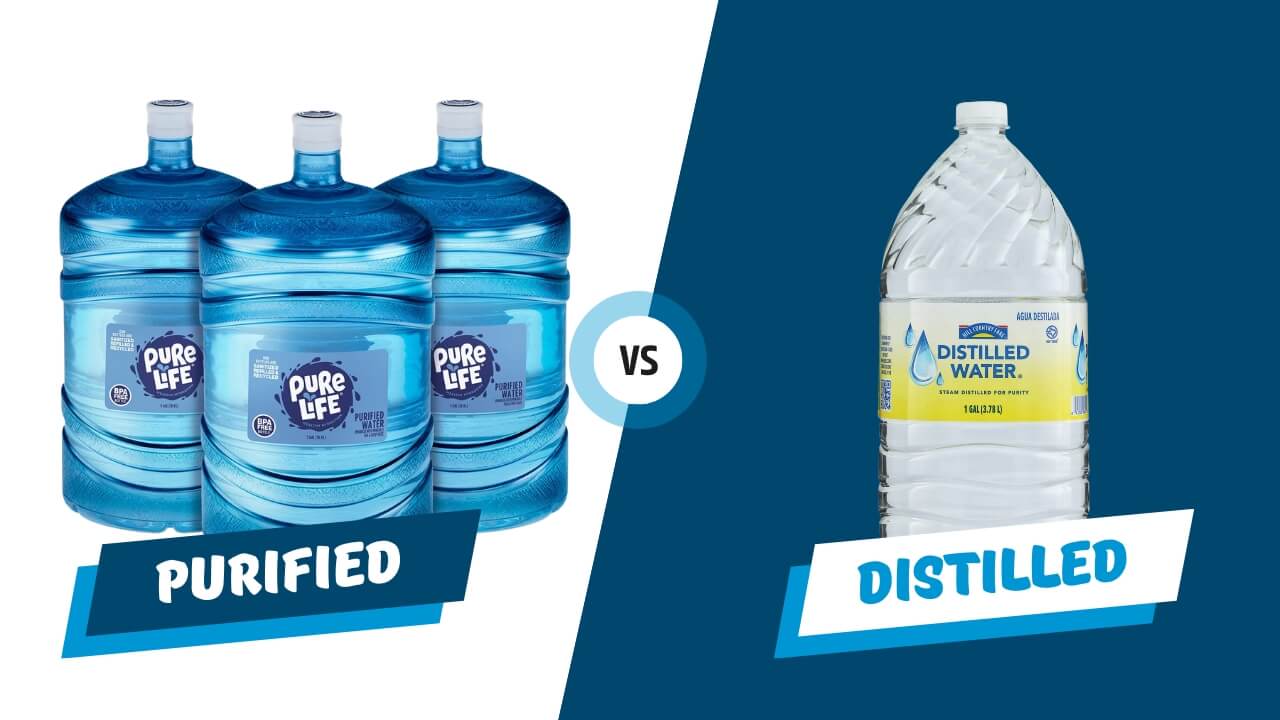 Difference Between Distilled And Purified Water | Talking H2O
When to Use (and NOT Use) Each
This is where things get practical—and weird. Distilled water is for appliances, not for you. Your coffee maker, iron, and car battery will adore it because it leaves no mineral scale. But drinking it for a week? Your body might actually leach minerals from your bones to balance out the pure H2O. No joke: long-term exclusive use of distilled water can cause electrolyte imbalances. So unless you’re a lab rat or a steam engine, don’t.
Bottled water? It’s fine for hydration, but it’s not magical. That “alkaline” water you’re buying for $4 a bottle? Your stomach acid is about 100,000 times more acidic than that water. It’s like trying to fight a dragon with a water balloon. Save your money. If you’re healthy, tap water is perfectly fine—sometimes even better because it contains fluoride for your teeth.
The Surprising Truth (and a Joke)
Here’s a fact that will ruin your next grocery trip: both distilled and bottled water can sit on shelves for years because they’re processed to prevent microbial growth. But plastic bottles leach microplastics into the water over time. So that “pure” water you’re storing in your garage for the apocalypse? It’s slowly turning into a plastic soup. Distilled water, ironically, is the worst offender because its purity makes it more aggressive at pulling chemicals from the bottle. Sip… plastic flavor… sip…
In the end, the only real difference between distilled and bottled water is snobbery and application. Distilled is for your iron; bottled is for your ego. If you want to sound smart at a party, say this: “Distilled water is like a virgin slice of white bread, while bottled water is a slightly seasoned cracker.” Then watch everyone nod and slowly back away. You’re welcome.
So next time you grab a bottle, just remember: water is water. It’s all H2O. The rest is just us humans trying to put a Ferrari badge on a Honda Civic. Drink up, and don’t overthink it. Unless it’s distilled—then maybe add a pinch of salt and a sense of humor.
