Reverse Osmosis Water Filter Replacement Parts

So there I was, at 2 AM, staring at a puddle under my kitchen sink. My reverse osmosis system was making a sound like a dying robot, and the water pressure had dropped to a sa...

So there I was, at 2 AM, staring at a puddle under my kitchen sink. My reverse osmosis system was making a sound like a dying robot, and the water pressure had dropped to a sad trickle. I’d been ignoring the system for months, assuming it just worked by magic. Spoiler: it doesn’t.
That night, I learned the hard way that reverse osmosis isn’t a “set it and forget it” deal. Turns out, it’s more like a high-maintenance pet that needs regular attention. If you’ve got one of these systems under your sink, you’re probably nodding along right now.
The Cast of Characters: Your Replacement Parts
Let’s break down the essential pieces you’ll eventually need to swap out. Don’t worry, it’s not brain surgery—just plumbing with small parts.
Must Read
First up, the sediment filter. This guy is the bouncer at the door, catching sand, rust, and dirt. If your water tastes like mud, this filter is probably crying for help. Replace it every 6–12 months, or when you start seeing tiny particles in your ice cubes. Ew, right?
Next, the carbon block filter. It’s the flavor specialist, removing chlorine and funky smells. Think of it as the barista of your water system—without it, you’re drinking pool water. Change this one at the same time as the sediment filter. Yes, it’s a two-for-one chore, but your taste buds will thank you.
The Membrane: The Star of the Show
Now for the RO membrane, the expensive boss of the operation. This is what actually pushes water through a super-tight filter to strip out heavy metals, fluoride, and other nasties. It’s like a ninja—quiet, effective, but eventually it gets tired. Side note: if your water suddenly tastes like tap water, your membrane is probably toast.
You’ll only replace this every 2–3 years, but when you do, don’t cheap out. A cheap membrane is like buying knock-off LEGOs—it kinda fits, but everything falls apart. Stick with the brand your system recommends, or enjoy the irony of paying for filtered water that’s not actually filtered.
The Squeaky Wheels: O-Rings and Flow Restrictors
Let’s talk about the tiny rubber rings that ruin your day. Those O-rings and gaskets are the silent heroes that stop leaks. When they dry out or crack, you get that puddle at 2 AM. My advice? Every time you change a filter, inspect the O-rings. Just give them a gentle squish—if they feel hard, replace them.
And then there’s the flow restrictor, a little plastic doodad that controls the water’s speed through the membrane. If your system starts making a hissing noise or you notice the drain line running constantly, this part is probably clogged. It’s cheap and easy to swap, but finding it in your system can feel like a treasure hunt. Tip: take a picture before you disassemble anything—your future self will thank you.
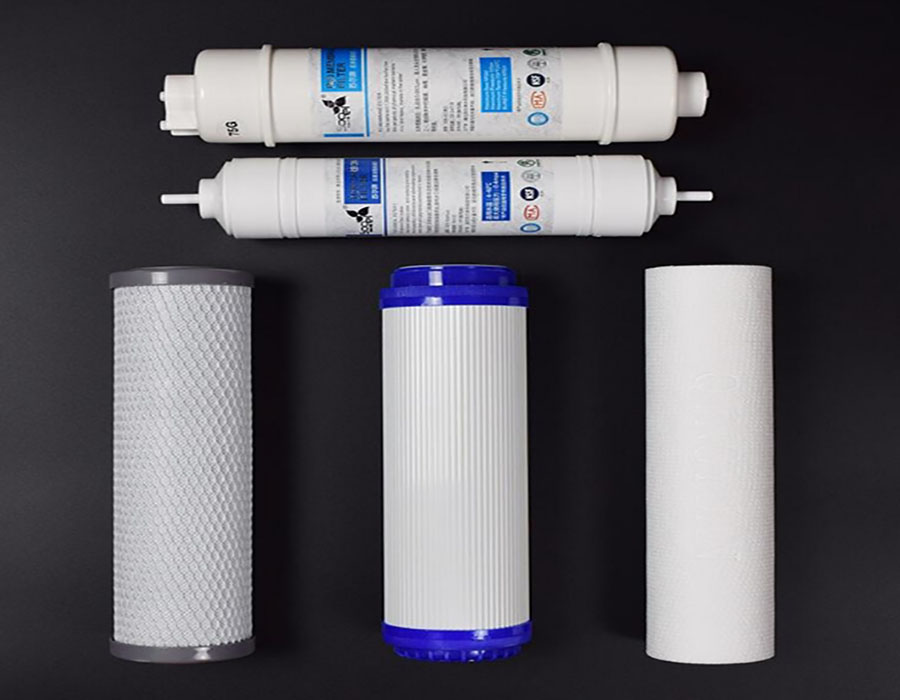 puromax reverse osmosis replacement filters Reverse Osmosis Filter
Don’t Forget the Storage Tank
Your storage tank has a bladder inside that holds the filtered water. Over years, that bladder can lose its magic puffiness. You’ll know when the water pressure drops to a pathetic dribble. You can often recharge the tank by adding air with a bike pump, but if that doesn’t fix it, you’re buying a new tank. Yes, this is the part where you curse softly under your breath.
Also, check the air valve on the tank—it should feel firm when you press it. If it’s squishy, your bladder is done. That’s not medical advice; it’s plumbing advice. But wow, it feels personal, doesn’t it?
The "While You’re In There" Trap
Here’s the sneaky truth: once you open up that system, you’ll notice other parts that look sad. The tubing might be cloudy, the shut-off valve might feel stiff, and the drain saddle might have calcium build-up. It’s the plumbing version of “I’ll just paint one wall, then I gotta do the whole room.”
My rule of thumb? Replace all the filters at once, plus the O-rings, and inspect the tubing. The cost is maybe $50–$100 compared to a $500 emergency plumber call. Math doesn’t lie, my friend.
The "How Often" Cheat Sheet
Let me make this stupid simple for you: sediment + carbon every 6 months. Membrane every 2–3 years. Tank bladder when pressure drops (maybe every 5 years). O-rings every time you open it. Write this on a sticky note and slap it on your fridge—or your forehead, I don’t judge.
And if you forget? Well, you’ll hear it first. That weird gurgle, the slow drip, the trickle that mocks you. Your RO system is basically a nagging roommate, but at least this one gives you clean water instead of eating your leftovers.
So next time you’re browsing Amazon at midnight, instead of buying that weird kitchen gadget, grab a filter replacement kit. Your future self—the one who won’t wake up to a puddle—will send you a mental high-five. Now go drink some water, you dehydrated hero.
