Are There Any Benefits To Drinking Seltzer Water

You know that satisfying pssssht when you crack open a can of seltzer? It’s basically the sound of modern wellness. But beyond the fizzy thrill, is there any real benefit to s...
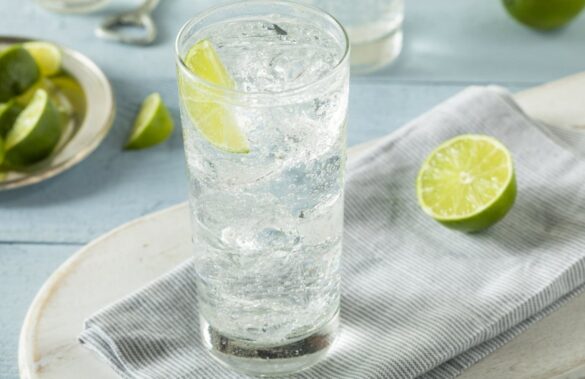
You know that satisfying pssssht when you crack open a can of seltzer? It’s basically the sound of modern wellness. But beyond the fizzy thrill, is there any real benefit to swapping your still water for bubbles? Spoiler alert: yes, but with a few fine-print caveats.
The Hydration Game Changer
Let’s start with the obvious: seltzer is water, and water is life. If you struggle to drink the recommended eight glasses a day, seltzer can be your secret weapon.
The carbonation makes it feel more like a treat than a chore. For many, that effervescence is the difference between sipping a boring glass of tap and actually hitting your hydration goals.
Must Read
One study even found that carbonated water is just as hydrating as still water, despite the bubbles. So go ahead and chug—your kidneys won’t know the difference.
The Dentist’s Dilemma
Here’s where we bring in the white coats. All that fizz comes from carbonic acid, which makes seltzer slightly more acidic than still water. Does that mean it’s dissolving your enamel? Not exactly.
Plain seltzer has a pH around 4-5, which is far less erosive than soda, fruit juice, or even orange slices. The real villain is added flavorings with citric acid, which can push that pH lower.
Practical tip: Use a straw to minimize contact with your teeth. And never swish seltzer around your mouth like a fancy wine tasting—your enamel will thank you.
The French Paradox, Bubbly Edition
Remember when everyone was obsessed with La Croix? That wasn’t just a trend; it was a cultural shift. In France, people drink sparkling water at dinner with the same nonchalance as wine.
There’s a reason for that. The bubbles trigger a satiety response in your stomach, making you feel fuller faster. That’s a win if you’re trying to curb mindless snacking during a movie night.
Plus, swapping a sugary soda for a can of plain seltzer can cut hundreds of empty calories per week. Think of it as a zero-proof, zero-guilt aperitif.
The Bloating Tax
Let’s not sugarcoat it—carbonation comes with a price. The gas from the bubbles can get trapped in your digestive tract, leading to that uncomfortable beach ball belly feeling.
If you have IBS or a sensitive stomach, drinking too much seltzer might trigger bloating, burping, or even mild discomfort. It’s not dangerous, but it’s not pleasant either.
Fun fact: Your body absorbs carbonated water faster than still water, which is why the fizzy sensation hits you almost immediately. Drink slowly and let the bubbles settle.
The Bone Myth, Busted
There’s an old urban legend that seltzer leaches calcium from your bones. This stems from the phosphoric acid found in colas, not the carbonic acid in seltzer.
Multiple studies have shown that plain carbonated water has no negative effect on bone density. In fact, some research suggests it might even support bone health by improving calcium retention.
 Seltzer Vs Sparkling Water: Differences, Benefits, And Myths - Carbon8
So drink up without worrying about osteoporosis. Your skeleton is safer than your reputation at a high school reunion.
The Flavor Hack
Plain seltzer is an acquired taste—like black coffee or dry humor. But you don’t have to suffer through it. The magic is in the add-ins.
Drop in a few cucumber slices, a sprig of mint, or a handful of frozen berries. The bubbles will carry the subtle flavor without adding sugar or artificial sweeteners.
For a grown-up twist, try a splash of pomegranate juice or a muddled basil leaf. You’ll look like a master mixologist without touching a drop of alcohol.
The Environmental Win
Let’s zoom out for a second. Seltzer often comes in cans or bottles, but the real eco-hero is a home carbonation system like SodaStream. One reusable bottle replaces hundreds of single-use plastic bottles.
You can also buy seltzer in bulk glass bottles that get returned and reused. That fizzy habit can actually shrink your carbon footprint.
And here’s a little trivia: seltzer water was originally a natural mineral water from Niederselters, Germany, prized by royalty in the 18th century. You’re drinking history with bubbles.
When to Say No
Not everyone should become a seltzer devotee. If you’re on a low-sodium diet, check the label—some brands add sodium or minerals for taste.
Avoid seltzer if you have GERD or frequent heartburn, because the carbonation can relax the lower esophageal sphincter. That’s fancy doctor talk for “bubbles go up, acid comes up.”
And never drink seltzer right before a public speaking gig. Trust me, the burp timing is never on your side.
The Bottom Line
Seltzer is not a magic elixir, but it’s a fantastic, low-drama upgrade from sugary drinks. It keeps you hydrated, satisfies the craving for something fun, and costs next to nothing.
Treat it like a tool in your wellness toolkit, not a cure-all. Pair it with a straw, keep the flavored versions for special occasions, and listen to your gut—literally.
Final thought: In a world that demands constant optimization, sometimes the best benefit is simply the joy of a cold, fizzy sip on a Tuesday afternoon. No agenda, no guilt—just bubbles doing exactly what bubbles do.
