Water Smells Like Rotten Eggs In Washing Machine

So you just pulled a load of laundry out of the washing machine, and instead of that fresh "ocean breeze" smell, you’re hit with a punch to the nostrils that smells like Satan...
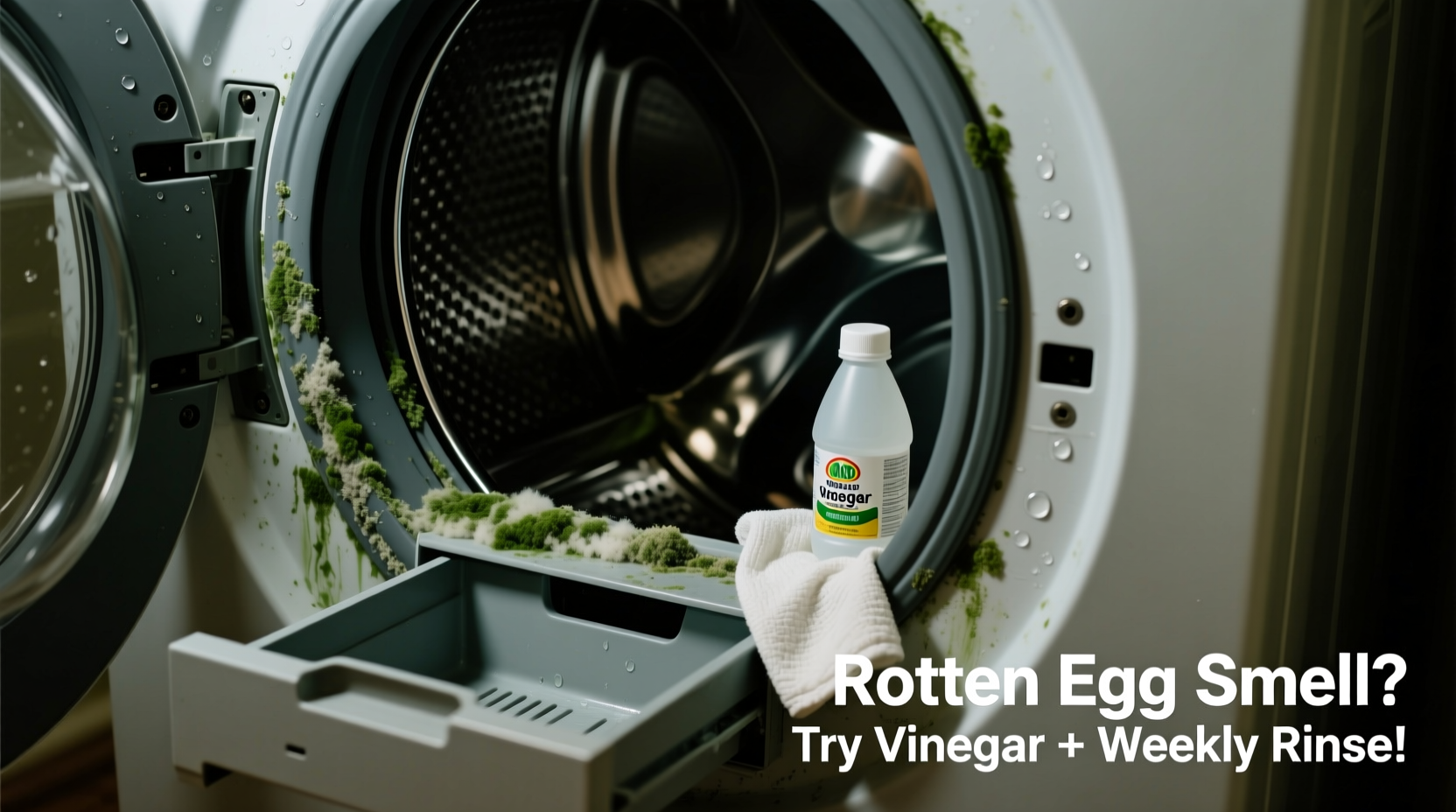
So you just pulled a load of laundry out of the washing machine, and instead of that fresh "ocean breeze" smell, you’re hit with a punch to the nostrils that smells like Satan’s personal hot tub. Congratulations, you’ve discovered the rotten egg laundry mystery. Your clothes may be clean, but your washing machine has turned into a swamp.
Let’s be honest: that smell isn’t just bad—it’s aggressive. It’s the kind of odor that makes your dog leave the room. But before you douse everything in bleach and move out, relax. This is fixable, and I promise you won’t need a hazmat suit.
The Villain in Your Water Heater
The culprit is hydrogen sulfide gas. That’s a fancy chemistry term for "gas that smells like someone dropped a hard-boiled egg in a sewer." It forms when sulfur bacteria in your water supply or water heater start partying too hard.
Must Read
These bacteria love warm, stagnant water—which is basically a laundry machine’s favorite environment. So when you leave your washer lid closed after a load, you’re throwing a frat party for sulfur microbes. The smell is their weird way of saying, "Thanks for the hospitality!"
But Wait—It Could Be Your Water Heater
If the stink comes from only the hot water cycle, blame your water heater. Magnesium and aluminum rods inside the tank can react with sulfur in the water, producing that eggy funk. It’s like your water heater is secretly cooking a sulfur omelet.
Fun fact: the human nose can detect hydrogen sulfide at levels as low as 0.5 parts per billion. That’s like smelling a single rotten egg from a mile away. Evolution gave us this superpower so we’d avoid deadly gas. Your washer just triggers it unnecessarily.
How to Kick the Smell Out (Without a Fight)
First, run a hot wash cycle with two cups of white vinegar. No detergent. Vinegar is nature’s grumpy bouncer—it changes the pH and kills bacteria. Your machine will smell like a salad, but that’s way better than a sulfur mine.
Next, do a second cycle with baking soda (half a cup). This deodorizes and scrubs out any lingering gunk. You’ll feel like a mad scientist, but your washer will thank you. Plus, your next load will smell like clean laundry, not a biology experiment.
If the smell still sticks around, you might have bacteria in the rubber gasket or the drain hose. Wipe down the door seal with a bleach-water solution. Use an old toothbrush. Yes, you’ll look ridiculous scrubbing a rubber ring, but you’ll win the war.
The Surprising Truth About "Clean" Clothes
Here’s a fact that’ll blow your mind: your clothes are probably cleaner than your washing machine. A study found that washing machines can harbor more bacteria than a toilet seat. I know—I’m sorry for ruining your laundry day. But the good news is, that bacteria is usually harmless.
It only smells like biological warfare. The smell is actually sulfides and organic acids from bacteria feasting on leftover detergent and fabric softener. So stop using a cup of fabric softener every load—it’s basically a buffet for stink bugs.
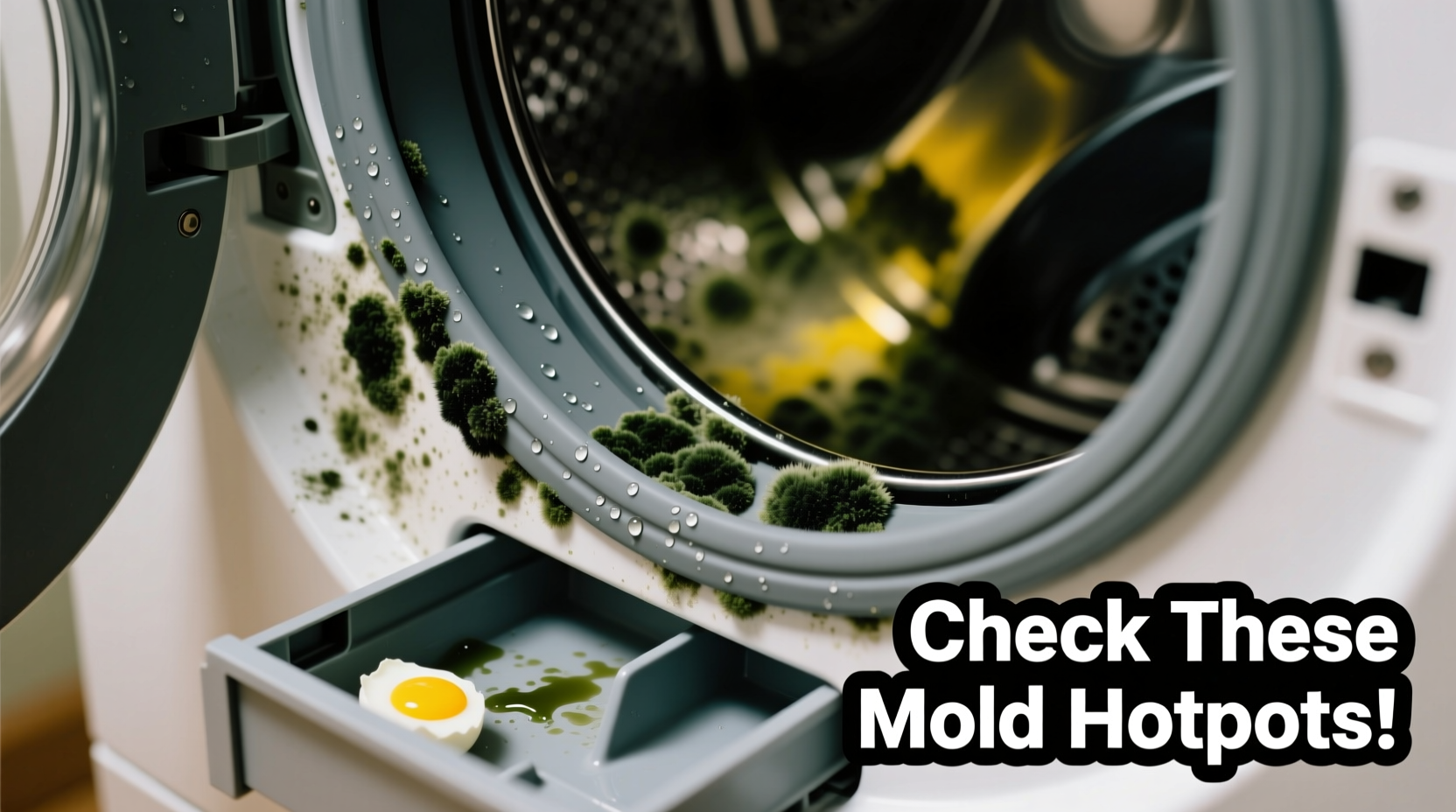 Why Does My Washing Machine Smell Like Rotten Eggs Mold Locations To Check
Prevention: The Eggy Apocalypse Is Avoidable
Leave the washing machine door open between cycles. I know, it looks like a gaping plastic mouth, but air circulation is your best weapon. Let the drum dry out so the bacteria starve. They’re lazy—they won’t survive a drought.
Run a maintenance wash once a month with a washing machine cleaner (or that vinegar-baking soda combo). Think of it as a spa day for your appliance. It’s cheap, easy, and keeps the egg demon away.
If you have a front-load washer, clean the drain filter every few months. It’s the gross job nobody talks about, but that filter is often a graveyard of socks, coins, and slimy gunk. Seriously, I found a toy dinosaur in mine once.
When to Call a Plumber (and When to Laugh)
If the rotten egg smell comes from every tap in your house, the problem is in your well water or city supply. That requires a water filter or a professional. But if it’s just the washer, you’re fine. You’re dealing with a localized catastrophe.
One weird trick: hot water from your water heater can kill sulfur bacteria, but only above 140°F. Most heaters are set to 120°F for safety. So cranking it up temporarily can help, but don’t scald yourself. Your landlord might not appreciate a medical bill.
The Final (Non-Smelly) Word
Look, having a washing machine that smells like a sulfurous crime scene is a right of passage. It happens to the best of us. You’re not a bad housekeeper—you’re just battling invisible microbes with a weak sense of humor.
The solution is simple: clean your machine, let it breathe, and stop feeding the bacteria with excess detergent. In a day or two, your laundry will smell like fresh linen, not a gym sock dipped in chemicals. And you’ll have a great story to tell the next time someone asks, "Why does your shirt smell like farts?"
Now go forth, you magnificent laundry warrior—and may your whites stay bright and your nose stay happy.
