Stomach Pain After Drinking Carbonated Beverages

We’ve all been there. You crack open a crisp, cold can of soda or sparkling water, take that first fizzy sip, and feel a wave of satisfaction wash over you. But then, somewher...

We’ve all been there. You crack open a crisp, cold can of soda or sparkling water, take that first fizzy sip, and feel a wave of satisfaction wash over you.
But then, somewhere between the second and third gulp, your stomach starts to grumble. Not a cute, “I’m hungry” grumble, but a tense, bloated, “why did I do this?” kind of pain.
It’s a universal modern dilemma: the love affair with bubbles versus the quiet rebellion of our guts. Let’s talk about why this happens, and how to still enjoy your fizz without the fuss.
Must Read
The Secret Life of Carbonation
When you swallow a carbonated drink, you are literally gulping down gas—specifically, carbon dioxide (CO2). That CO2 creates those playful bubbles, but it also expands in your stomach like a tiny balloon.
This trapped gas presses against your stomach lining, which can trigger discomfort, burping, and that heavy, distended feeling. It’s your digestive system’s polite way of saying, “Excuse me, I need some air.”
Fun fact: The average can of soda holds about 2.5 liters of CO2—more gas than your stomach is designed to handle in a single sitting.
Why It Hurts: The Culprits in Your Can
It’s not just the bubbles. Many fizzy drinks are also acidic—think phosphoric acid in cola or citric acid in lemon-lime sodas. This acid can irritate a sensitive stomach lining, especially if you’re already feeling a little anxious or hungry.
Then there’s the sugar (or artificial sweeteners), which can ferment in your gut and produce extra gas. It’s a perfect storm of fizz, acid, and sweeteners conspiring against your comfort.
Cultural reference alert: In Italy, many people drink acqua frizzante (sparkling water) with meals, but they sip slowly. It’s a reminder that pace is everything.
Practical Tips: How to Soothe the Fizz
First, slow down. That ice-cold can isn’t going anywhere. Drink your carbonated beverage in three or four sips over ten minutes, not in one thirsty gulp. Your stomach will thank you.
Second, never drink a fizzy beverage on an empty stomach. Pair it with food, especially something like crackers, nuts, or a slice of toast. The food acts as a buffer, absorbing some of that gas before it hits your gut lining.
Third, choose your bubbles wisely. Low-sugar or naturally flavored sparkling waters (like LaCroix or San Pellegrino) are gentler than syrupy sodas. If you’re sensitive, avoid drinks with high-fructose corn syrup or artificial sweeteners like sorbitol, which are infamous for causing bloating.
A Few Fun Hacks to Try
Try a stomach-friendly spritzer: mix half a glass of plain sparkling water with a splash of juice (like pomegranate or ginger, which aids digestion). You get the fizz without the heavy sugar load.
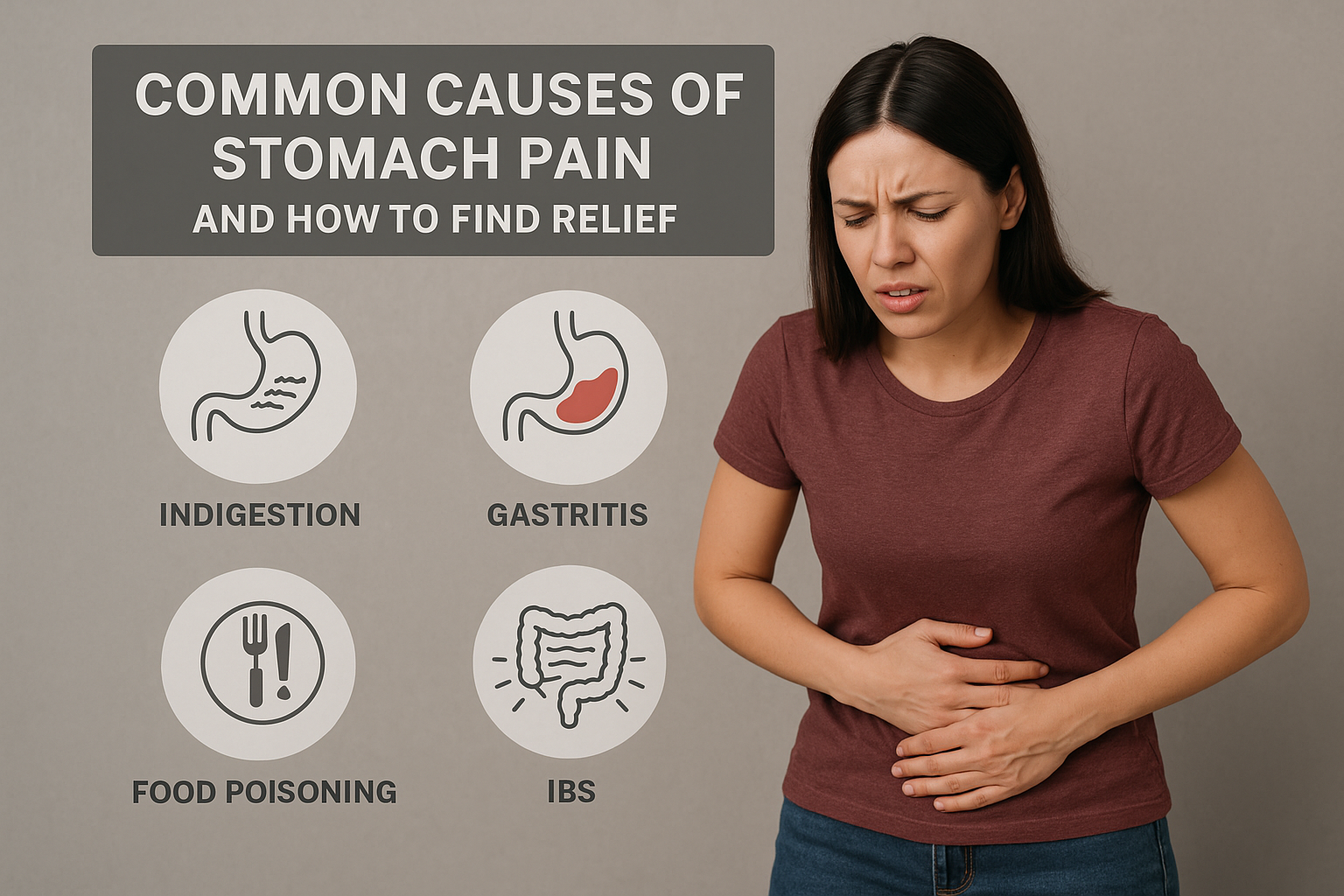 Common Causes of Stomach Pain & Ways to Find Relief
Another trick: let your drink warm up slightly for a minute before sipping. Ice-cold liquids can cause stomach muscles to cramp, while room-temperature fizz is less shocking to your system.
And yes, the classic burp is your body’s natural release valve. Don’t suppress it—let it out in a polite way. Holding it in can actually increase pressure and pain.
The Cultural Tug-of-War
Think about how different cultures treat fizzy drinks. In Japan, you’ll find carbonated ramune with a marble stopper, meant to be savored slowly. In Mexico, agua de Jamaica (hibiscus tea) is served still, not bubbly, as a refreshing alternative.
Meanwhile, American soda culture often encourages quick, ice-cold consumption in giant cups. It’s no wonder our stomachs sometimes protest—we’ve turned a delicate pleasure into a speed challenge.
There’s even a term in German: Blähbauch, which literally means “bloated stomach.” They know what’s up. And they often reach for herbal teas (like fennel or peppermint) after a heavy meal to calm things down.
When to Worry (and When to Laugh It Off)
Occasional stomach pain after sparkling water or soda is normal—your body is just processing gas. But if the pain is sharp, persistent, or accompanied by nausea or cramping, it could be a sign of an underlying issue like acid reflux, IBS, or a sensitivity to caffeine.
In that case, it’s worth checking in with a doctor. But for most of us, it’s just a case of too much, too fast.
A little humor here: the next time you feel that familiar bubble-belly, just imagine your stomach whispering, “Hey, I’m not a champagne flute—treat me with some respect.” You’ll laugh, and the laughter actually helps release trapped gas.
A Short Reflection: The Simple Pleasure of Fizz
In our fast-paced world, a fizzy drink feels like a small, celebratory pause. It’s the sound of a can opening at a picnic, the pop of a cork on a Friday night, the crisp fizz of a club soda with lime after a long hike.
But joy doesn’t have to come with a price. By slowing down, choosing gentler options, and listening to our bodies, we can enjoy that delightful sparkle without the stomachache.
So the next time you reach for a carbonated beverage, take a breath. Let the bubbles stay in the glass—not in your gut. Your stomach is your oldest, most loyal friend; treat it to a conversation, not a carbonation competition.
