Installing A Whole House Water Filtration System

Last summer, I watched my white t-shirts slowly turn a weird shade of rust during a laundry cycle. It felt like my washing machine was plotting a slow, personal revenge agains...
Last summer, I watched my white t-shirts slowly turn a weird shade of rust during a laundry cycle. It felt like my washing machine was plotting a slow, personal revenge against my wardrobe. I finally Googled it, and the culprit was clear: my well water was packed with iron and sediment. That was the moment I started eyeing a whole house water filtration system—not just for my clothes, but for my sanity.
You probably know that feeling, right? When you turn on the tap and catch a whiff of something nasty, or you see those chalky white spots on your favorite coffee mug. It’s not a plumbing issue; it’s a water quality crisis happening in your own home. A whole house system isn’t just a gadget for survivalists—it’s the ultimate practical upgrade for anyone who drinks, bathes, or cleans with tap water.
What exactly are we dealing with here?
A whole house filtration system is basically a bodyguard for your pipes. It attaches right where your main water line enters the house, tackling every drop before it reaches your faucets, showerheads, or appliances. Think of it as a bouncer at a club—only letting the good stuff (clean water) inside, and kicking out the riffraff (chlorine, sediment, heavy metals).
Must Read
And trust me, the riffraff is real. I’m talking about that chlorine smell that makes your morning shower feel like a swimming pool, or the hard water deposits that destroy your water heater’s efficiency. Without a filter, you’re basically asking your appliances to do a tough job with dirty hands.
Why a single-faucet filter just won’t cut it
You might be thinking, “Hey, I already have a filter on my kitchen sink pitcher!” I felt the same way until I realized that only filters water for drinking. Your shower? Untouched. Your dishwasher? On its own. Your laundry machine? Still drinking that sediment smoothie. A whole house system doesn’t play favorites—every outlet gets the same VIP treatment.
And let’s talk about your skin for a second. Hard water can leave your hair feeling like straw and your skin dry as parchment. Once I installed the system, my wife actually noticed I stopped complaining about itchy legs. (Okay, that’s a side benefit, but it’s a real one.)
The installation: not as scary as it sounds
I’m not going to lie—looking at the pipework under my sink gave me a slight panic attack. But here’s the secret: you don’t need to be a master plumber. Most systems come with push-fit connectors and a clear diagram that a motivated beginner (aka me with a YouTube video) can follow in about two hours.
You’ll need a few basic tools: a pipe cutter, some Teflon tape, and a bucket for the inevitable spill. Oh, and a sense of humor when water sprays in your face. Consider it your baptism into the world of clean water. If you’re not into DIY, a plumber can knock this out in under an hour for a few hundred bucks—well worth the cost of never drinking rusty coffee again.
Picking the right system for your water
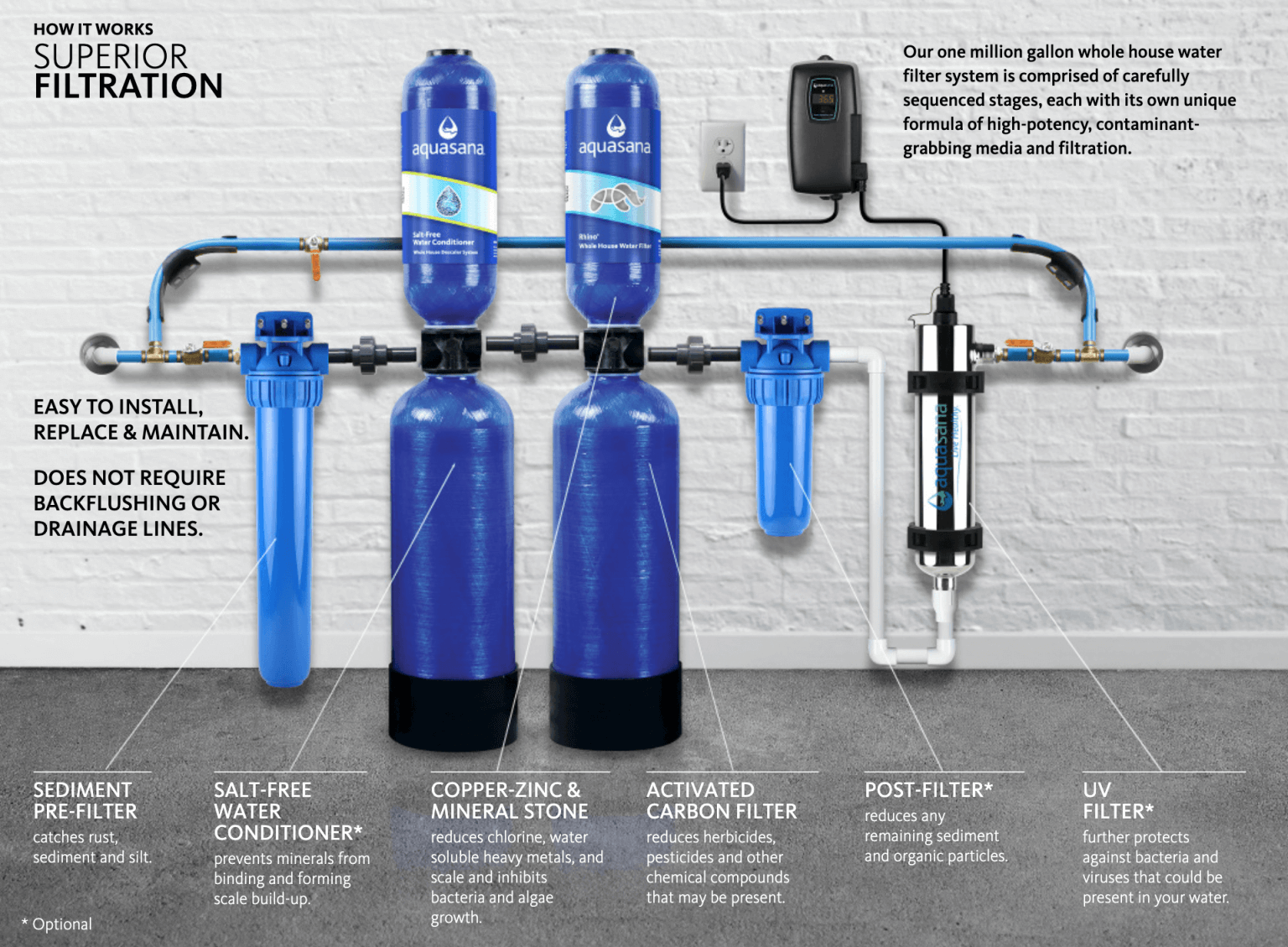
Here’s where it gets fun (and slightly overwhelming). You can go with a simple sediment filter, or a multistage system that includes a carbon filter, a water softener, and even a UV light for bacteria. The key is to test your water first. I sent a sample to a local lab, and it told me exactly what I needed—no guessing, no buyer’s remorse.
 Best Whole House Water Filters (April 2022) ~ Water Expert Reviews
For most homes, a three-stage system is the sweet spot: a sediment filter to catch big particles, a carbon filter to remove chlorine and odors, and a polishing filter for taste. That setup runs about $600 to $1,200, which sounds steep until you realize you’ll never buy bottled water again. (Seriously, do the math on those plastic jugs—it adds up.)
What I wish someone told me before I started
The first week, your water pressure might drop a smidge. Don’t panic. It usually stabilizes after the filter media “wets out.” Also, you’ll need to change the filters every few months—mark your calendar or get a system with a digital reminder because, trust me, you will forget.
And here’s my favorite tip: install a bypass valve. It lets you isolate the filter system for maintenance without shutting off the whole house. That way, if you need to water the garden or fill a pool with unfiltered water, you can—without cursing at your handiwork.
The payoff: more than just clean water
After six months, my white shirts are back to being white. My shower glass doesn’t have that foggy film, and my kettle hasn’t developed a crusty mineral layer. But the best part? I fill my glass from the tap without a second thought, and it tastes like actual water—not a chemistry experiment.
Honestly, installing a whole house filtration system is one of those projects you’ll wonder why you didn’t do sooner. It’s not glamorous, but it’s quietly transformative. So go ahead—test your water, pick a system, and give your clothes, your skin, and your taste buds a break. You’ve got this.
And hey, if you mess up the installation, at least you’ll have a funny story for the next family dinner. I certainly did.
