How Can You Tell If Your Water Softener Is Working

Let’s be honest—most of us don’t think about our water softener until something goes wrong. It sits in the basement or garage, humming away quietly, like that shy friend who n...

Let’s be honest—most of us don’t think about our water softener until something goes wrong. It sits in the basement or garage, humming away quietly, like that shy friend who never complains. But just like that friend, you really miss them when they’re not around. So how do you know if your water softener is actually doing its job?
First, pay attention to your soap. If you’re used to hard water, you might not realize that your shampoo should actually lather like a cloud. When your softener is working, your soap and shampoo will foam up instantly, even with a tiny amount. If you find yourself using half a bottle of shampoo just to feel clean, your softener might be snoozing on the job.
Another dead giveaway is your skin. Hard water leaves a film of minerals on your body that feels sticky or dry. After a shower with softened water, your skin should feel smooth and a little slippery—like you just used a fancy lotion. If you’re still scratching your legs dry after a shower, your softener probably needs a little TLC.
Must Read
Look at your glassware and dishes
You know those cloudy spots on your drinking glasses? They’re not a sign of poor dishwashing skills. That white film is calcium and magnesium—the same minerals your softener is supposed to remove. If your glasses are looking foggy even after a rinse, your system might be failing.
Compare it to your neighbor’s crystal-clear glasses at the cookout. You’ll notice the difference immediately. A working softener means your dishes dry spot-free and shiny, like they just came from a professional kitchen.
And don’t forget the showerhead. If you see white crusty buildup around the nozzles, that’s hard water scale. A working softener prevents that crust from forming, so your shower stays clean and your water pressure stays strong.
Check your laundry and faucets
Pull a towel out of the dryer and give it a squeeze. If your softener is clicking, that towel will feel fluffy and soft—like a cloud you want to nap on. Hard water towels, on the other hand, feel stiff and rough, almost like sandpaper. Nobody wants scruffy towels, especially on a Sunday morning.
Now look at your kitchen faucet. A working softener means you won’t see white, crusty deposits around the base of the spout. That crust is the same scale that clogs up your pipes over time. If you see it, your softener is giving you a silent warning: “Hey, I’m struggling here!”
Also, listen for odd noises. If your softener starts making a gurgling sound or runs at odd hours, it might be choking on salt or stuck in a cycle. A quiet, periodic hum is normal—like a cat purring. But loud clunks or constant running means something’s off.
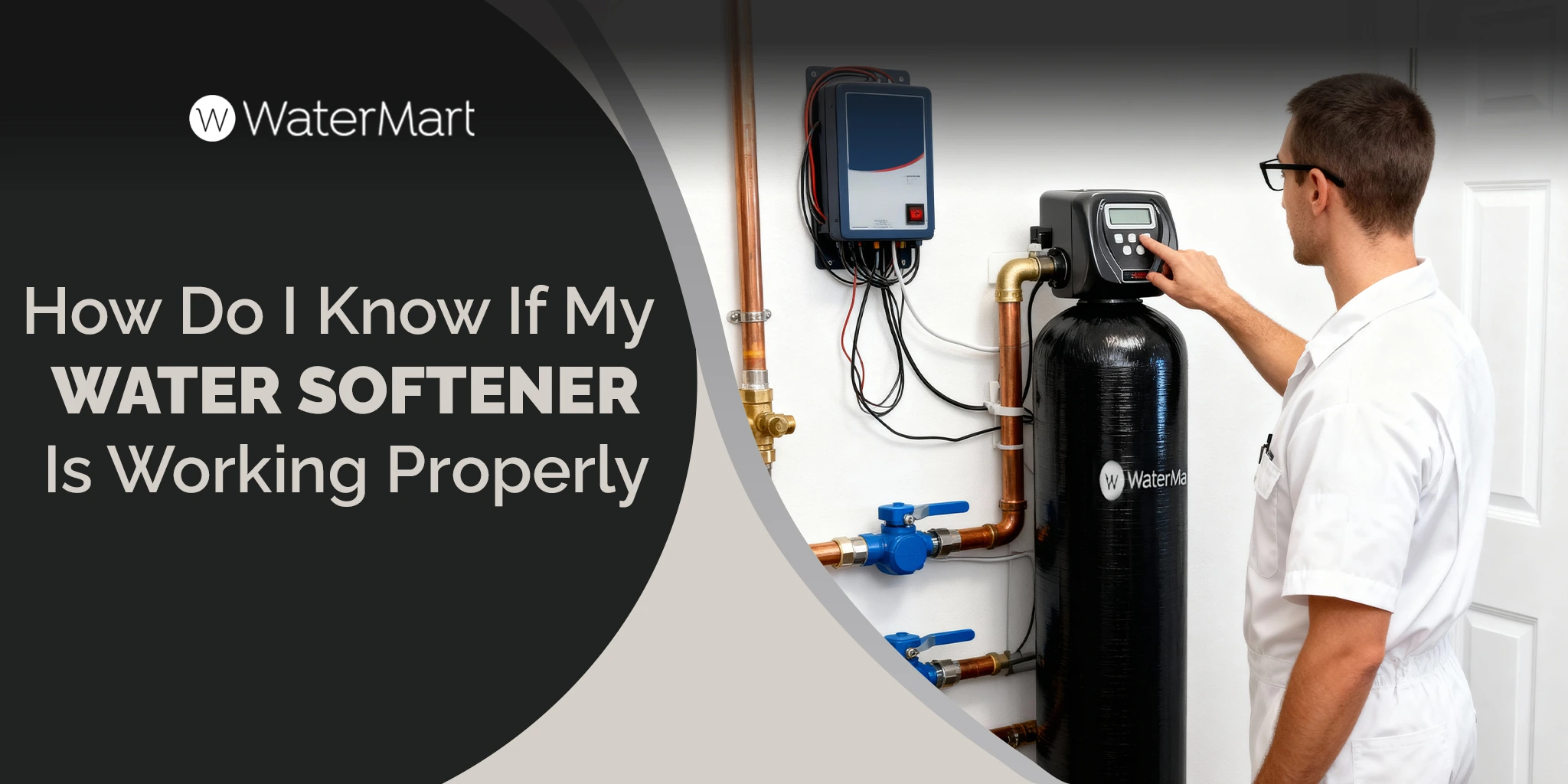 How do I know if my water softener is working properly?
What about the salt?
Here’s a fun test: peek inside your brine tank. If the salt level is low or you see a thick, muddy sludge at the bottom, your system can’t regenerate properly. It’s like trying to bake a cake without flour—it just won’t work. Keep the salt level at least half full to ensure smooth sailing.
But here’s the tricky part: sometimes your water feels soft but the system is actually broken. That happens when the resin beads (the little magic beans inside) get worn out. A simple test kit from the hardware store measures water hardness in grains per gallon. If the number is above zero, your softener is slacking.
Pro tip: Test your water once a month. It takes thirty seconds and saves you from scrubbing scale off your coffee maker. Your Keurig will thank you later.
Why should you even care?
Because hard water is sneaky. It doesn’t just ruin your soap and glassware—it shortens the life of your appliances. Your water heater has to work harder to heat water filled with minerals, which means higher energy bills. A failing softener is like a lazy employee who costs you money while doing nothing.
Plus, soft water saves your hair from that straw-like texture and your skin from extra dryness. Imagine hugging someone and not smelling like a bucket of minerals. It’s the small, pleasant things that make life better.
So next time you do a load of laundry or take a shower, ask yourself: “Is my softener actually earning its keep?” If the answer feels fuzzy, grab a test kit and check that salt. It’s a simple fix that keeps your home running sweet—and your towels cloud-fluffy.
And if all else fails, call a pro. Sometimes even the hardest-working machine needs a little TLC. Your future self—with softer skin, shinier glasses, and happier hair—will thank you.
